Zelený pokoj (Green Room, 2015): Klaustrofobní obléhání, subkulturní manipulace a anatomie přežití
Green Room (2015): The Anatomy of a Defective Micro-Cult, the Neurobiology of Power, and the Weaponization of Subcultural Identity
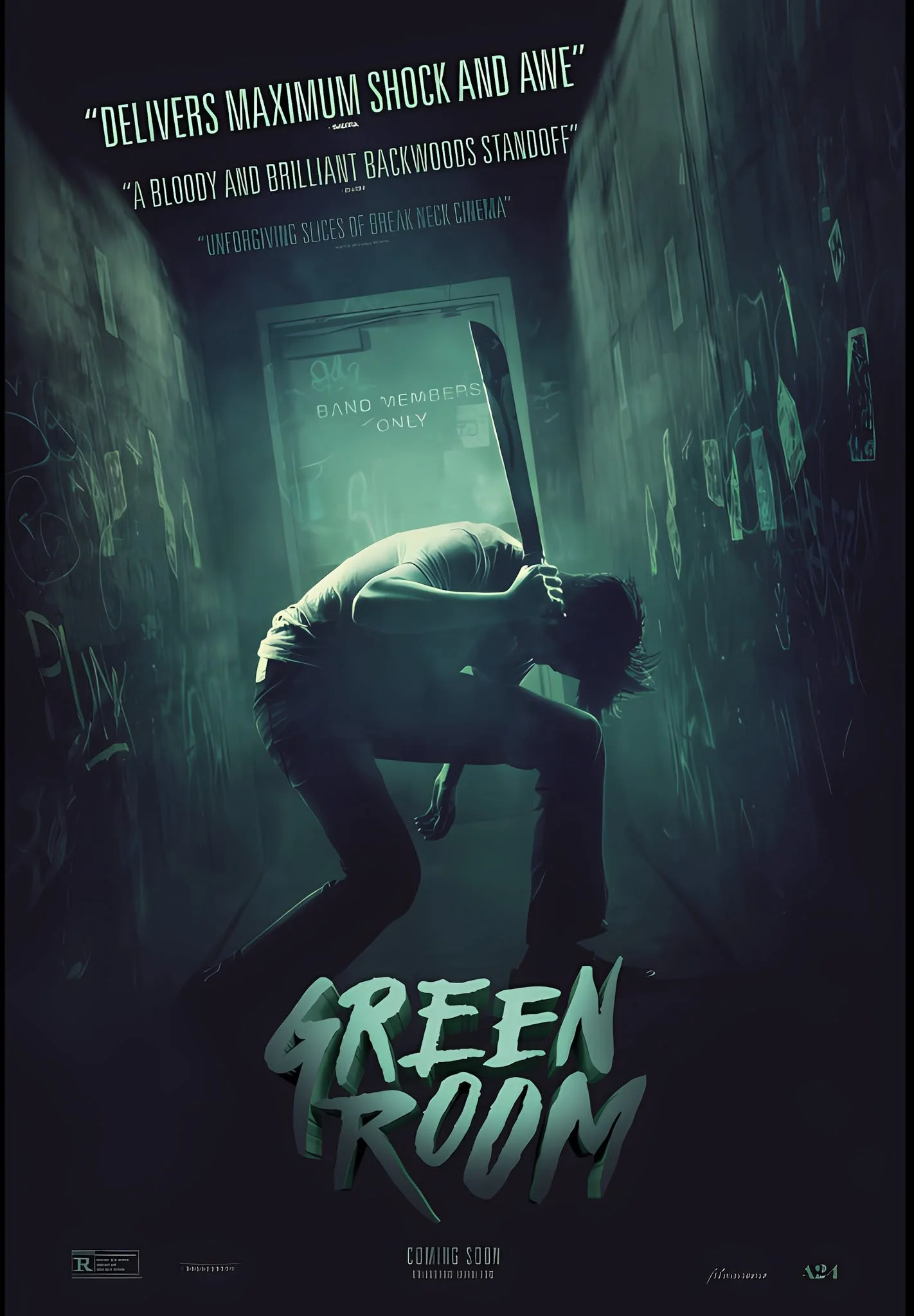
Analytická studie brutálního thrilleru Jeremyho Saulniera zkoumající klaustrofobní prostor backstage, subkulturní manipulaci neonacistické komunity, de-glamurizaci násilí a mechaniku animálního přežití.
An analytical study deconstructing the thriller Green Room as a neurobiological model of a defective community, local gatekeeping, and defense in Zone Zero.
Nezávislý thriller amerického režiséra a scenáristy Jeremyho Saulniera Zelený pokoj (Green Room, 2015, stopáž 95 minut) představuje jeden z nejintenzivnějších, nekompromisních a realisticky drásavých příspěvků k žánru moderního obléhacího filmu (siege film). Saulnier, navazující na tradici Carpenterova Přepadení 13. okrsku i Peckinpahových Strašáků, zasazuje děj do klaustrofobního zázemí zapadlého hudebního klubu uprostřed oregonských hvozdů pacifického Severozápadu.
Film nefunguje jako banální exploitation horor plný stylizovaného gore; představuje chirurgicky přesnou sociologickou a psychologickou studii uzavřené extremistické mikrosekty, demaskuje falešnou auru subkulturní rebelie a provádí radikální de-glamurizaci fyzického násilí, v němž se střet lidských těl stává neohrabaným, chaotickým a animálním bojem o holé přežití.
I. Iluze subkulturní svobody a past neonacistického klubu
Výchozí expozice filmu přesně dekonstruuje mýtus nezávislé hudební scény:
- Paběrkování na periferii: Neúspěšná washingtonská hardcore-punková kapela The Ain’t Rights (v čele s baskytaristou Patem v podání Antona Yelchina) putuje v dodávce po zapadlých koutech Ameriky bez peněz, odsává benzín z cizích aut a zoufale lpí na představě vlastní umělecké ryzosti.
- Falešná rebelie: V nouzi přijímají vystoupení v odlehlém lesním klubu ovládaném radikální white-power komunitou. Jejich úvodní provokace – zahrání slavné coververze skladby Dead Kennedys „Nazi Punks Fuck Off“ přímo před zraky pořízků v těžkých botách a kšandách – je sice odvážným gestem, avšak Saulnier ukazuje, že v prostoru reálného predátora taková symbolická rebelie neznamená vůbec nic.
- Náhodný svědek: Skutečná noční můra nezačíná ideologickým střetem na pódiu, nýbrž banální náhodou: když se Pat vrátí do šatny kapely (zeleného pokoje) pro zapomenutý telefon, spatří na podlaze tělo dívky ubodané zavíracím nožem. V ten moment se dveře zabouchnou a z hudebníků se stávají nepohodlní svědci, které nelze nechat odejít živé.
II. Darcy Banker: Klinický chlad a byrokracie korporátního zla
Postava majitele klubu Darcyho Bankera v mistrovském podání Patricka Stewarta představuje fascinující subverzi žánrového padoucha[cite: 116]:
- Absence hysterie a fanatismu: Darcy nevystupuje jako běsnící, potetovaný rasistický psychopat[cite: 116]. Je to kultivovaný, postarší a tichý pragmatik, který krizovou situaci řeší s ledovým klidem krizového manažera korporace[cite: 116]. Sám extremistické ideologii v hloubi duše nevěří; cynicky ji využívá jako funkční tmel k ovládání mladých, dezorientovaných a agresivních skinheadů, kteří pro něj provozují varnu pervitinu a odvádějí špinavou práci[cite: 116].
- Likvidace jako logistický problém: Pro Darcyho nepředstavují uvěznění muzikanti ideologické nepřátele; jsou pouhou provozní překážkou a právním rizikem, které je nutné čistě zlikvidovat a zinscenovat jako přepadení cizími živly v lese mimo pozemek klubu. Stewartův civilní, monotónní projev před zavřenými dveřmi („Nebude to mít dobrý konec…“) děsí neskonale více než jakékoliv hysterické výhrůžky[cite: 116].
III. Klaustrofobie zeleného pokoje a de-glamurizace násilí
Kameraman Sean McElwee a režisér Saulnier budují prostorovou úzkost s maximální hmatatelnou tělesností:
- Jedovatá zeleň pastí: Interiér backstage je nasvícen v nezdravých, kalných odstínech hnědé a jedovatě zelené barvy. Prostor je stísněný, špinavý a bez oken; jediný přístup tvoří dveře střežené ozbrojeným vyhazovačem. Zelený pokoj – tradiční divadelní prostor pro odpočinek herců před vystoupením – se stává operačním sálem smrti.
- Syrovost bez choreografie: Násilí v Zeleném pokoji nemá nic společného s hollywoodskou akční estetikou. Je neohrabané, překvapivě rychlé a strašlivě devastující[cite: 116]. Když se Pat pokusí vyměnit zbraň pootevřenými dveřmi, útočníci mu mačetou brutálně rozseknou předloktí na cáry masa[cite: 116]. Zbraně selhávají, nože uvíznou v tělech, útoční bojoví psi trhají hrdla a postavy umírají bez patetických posledních slov uprostřed věty. Divák je konfrontován s fyzickou realitou bolesti a křehkosti lidského masa.
IV. Závěr: Dekonstrukce heroismu a návrat k animálnímu přežití
Závěrečný průlom Pata a pragmatické návštěvnice klubu Amber (Imogen Poots) do lesa odmítá jakákoliv akční klišé[cite: 116]:
- Zánik aury moci: V momentě, kdy se boj přesune z temného klubu na ranní zamlžené pole, Darcyho pečlivě budovaná autorita mizí[cite: 116]. Když jej Pat s Amber v trávě dostihnou a zastřelí z brokovnice, Darcy umírá jako bezvýznamný, vyděšený stařec v rozpadlé bundě[cite: 116].
- Konec pózování: Snímek uzavírá tichý, lakonický dialog na obrubníku silnice. Když se umírající kamarád dříve v šatně ptal, jaká je Patova skutečná nejoblíbenější kapela na pustý ostrov (tzv. desert island band), Pat odmítal odpovědět s tím, že jeho volba není dostatečně „punkově undergroundová“. V závěrečném záběru se Amber zeptá: „Tak která kapela to byla?“ Pat pohlédne do prázdna a tiše odpoví: „Už na tom nezáleží.“ Veškeré subkulturní pózy, elitářství a nálepky se v konfrontaci s reálnou smrtí rozpadly na prach; zbyl pouze holý, traumatizovaný život[cite: 116].
Slovníček pojmů a bibliografie
- Siege Film (Obléhací film): Narativní subžánr thrilleru a hororu, v němž je malá skupina protagonistů uvězněna v izolovaném prostoru a brání se početní či technické přesile útočníků zvenčí[cite: 116].
- De-glamurizace násilí: Režijní přístup odmítající estetizaci a hrdinskou choreografii bojových scén ve prospěch syrového, neohrabaného, fyziologicky přesného a bolestivého zobrazení destrukce lidského těla.
- Subkulturní gatekeeping: Mechanismus vymezení moci uvnitř uzavřené komunity, v němž autorita určuje pravidla pravověrnosti a manipuluje stoupence hrozbou sociálního vyloučení[cite: 116].
Bibliografie (Chicago Style):
- Clover, Carol J. Men, Women, and Chain Saws: Gender in the Modern Horror Film. Princeton: Princeton University Press, 1992.
- Saulnier, Jeremy, dir. Green Room (Motion Picture). New York: A24 / Broad Green Pictures, 2015.
- Sconce, Jeffrey. Sleaze Artists: Cinema at the Margins of Taste, Style, and Politics. Durham: Duke University Press, 2007.
- Thornton, Sarah. Club Cultures: Music, Media, and Subcultural Capital. Hanover: Wesleyan University Press, 1996[cite: 116].
The present study deconstructs the independent thriller Green Room as a reference sociological and neurobiological model of a so-called defective community. The film is analyzed as a case study of a closed subculture where a local leader (Darcy Banker) exploits the ideological loyalty of fans for his own benefit. The study newly integrates a detailed mapping of the brain reactions of the involved actors: from the manipulator’s hypoactive amygdala to the oxytocin trap of his followers. The final phase applies these insights into practice, providing the individual with cognitive tools to identify and safely exit toxic structures (the state of Zone Zero) before the assimilation of their identity occurs.
I. Author’s Intent: The Illusion of Rebellion as a Tool of Control
The film uses an extreme premise (the clash of a band with an isolated community in a woodland club) to demonstrate the mechanisms by which alternative scenes degenerate into totalitarian micro-systems.
- Artistic Vision: The director’s intent was not primarily to shoot a horror film, but to deconstruct the illusion of subcultural freedom. The characters in the film consider themselves ultimate rebels standing outside conventional society.
- The Catalyst of Control: However, actual power in the club is held neither by the bands nor the fans, but by the club owner, Darcy. He represents the archetype of the „elder.“ From the author’s perspective, Darcy is depicted as a calm, coldly calculating bureaucrat. He does not genuinely believe in the ideology (extreme right-wing), but cynically uses it as glue to forge a fanatically obedient army of youths to do his dirty work.
II. Analytical Interpretation: The Neurobiology of a Locked Room
To understand the power dynamics within the community, it is necessary to analyze the differing neurological states of its actors. The clash in the club is a physical manifestation of asymmetry in brain reactions.
- The Manipulator’s Brain (Clinical Coldness): The character of Darcy operates with extreme emotional regulation. On a neurobiological level, he is characterized by a hypoactive amygdala—he exhibits no physiological signs of fear, stress, or empathy for the suffering of others. While those around him panic, his prefrontal cortex (the logic center) remains dominant. The manipulator derives his dopamine reward not from ideological fanaticism, but from the feeling of absolute control over the behavior of others.
- The Brain of the Manipulated Crowd (The Oxytocin Trap): The fans and lackeys in the club operate in a so-called oxytocin trap. The hormone oxytocin creates deep bonding and belonging within the group („us“), but in defective communities, it has a dark side: it triggers extremely aggressive and paranoid limbic system reactions toward anyone from the outside („them“). The critical thinking of the members is suppressed by limbic resonance—they uncritically adopt the emotions and will of their leader to secure their supply of social validation.
- The Victim’s Brain (Acute Stress Response): The locked-in band represents a brain flooded with cortisol and adrenaline. Their amygdala takes over in a „fight, flight, or freeze“ mode. The manipulator’s system relies on the assumption that the victim’s stress paralysis will prevent the rational planning of a defense.
III. The Context of Local Manipulation: Gatekeeping and the Sunk Cost Fallacy
Most manipulation does not occur through violence, but through the exploitation of social bonds (music, friendship).
- Control of Subcultural Capital: Academic literature defines that in alternative communities, the currency is „authenticity.“ The elder functions as a Gatekeeper, determining who is worthy of acceptance.
- Paralysis from Loss of Identity: The subject often begins to realize they are being used. However, a cognitive trap known as the Sunk Cost Fallacy sets in. The victim has invested years of their life and their entire identity into the community. To expose the manipulator would mean risking excommunication and social death. Neurobiologically, the brain evaluates social exclusion in the same pain centers as physical injury, so the victim prefers to submit to the lie.
IV. Applied Practice: Cognitive De-isolation and Defense in Zone Zero
The methodology for breaking free from the power of local gatekeepers requires the application of Zone Zero principles on a micro-social level.
- Diagnostics of the Oxytocin Trap: The subject consciously analyzes the emotional dynamic of the community. If belonging („brotherhood“) is conditional upon blind obedience to the organizer and hatred toward the outside world or defectors, it is cult-like manipulation. Knowledge of this neurobiological mechanism allows the subject rational detachment.
- Identity Diversification (Protection Against Social Death): The subject must not allow their identity to be fully dependent on a single club or leader. By building independent interests outside the given scene, the threat of the sunk cost fallacy decreases. The manipulator loses power the moment the victim is unafraid to walk away and does not suffer from exclusion anxiety.
- Demystification of Authority (Loss of the Sacred Aura): Peeking behind the curtain. The subject in Zone Zero stops perceiving the organizer as an untouchable guardian of ideology and begins analyzing them as a cold, hypoactive brain protecting economic and power interests. The emotional bond dissolves, dissolved and replaced by analytical evaluation.
- The „Evaporation“ Tactic (Denial of Subcultural Capital): Upon discovering manipulation within a micro-system, it is counterproductive to openly fight the manipulator—they control an oxytocin-doped crowd (a manipulated justice system). An effective defense is the quiet, methodical withdrawal of energy and attention. The elder derives their dopamine reward exclusively from attention and obedience. The subject stops participating, stops reacting, and cognitively „starves“ the community leader’s system.
V. Conclusion: An Ordinary Man in an Empty Room
The analysis of defective communities proves that the illusion of independence and rebellion is the most effective wrapper for dictatorship. Petty local manipulators are dangerous precisely because they do not operate with police, but with human biology itself—with oxytocin, feelings of belonging, and the fear of loneliness. True individual freedom (Zone Zero) does not arise from assimilation into a local subculture, but from the ability to maintain the dominance of the prefrontal cortex even when your favorite band is playing. The moment fans stop fearing exclusion and emotional dependency fades, the powerful gatekeeper becomes nothing more than an ordinary, lonely individual standing in an empty club.
Glossary of Technical Terms:
- Hypoactive Amygdala (Hypoaktivní amygdala): A neurobiological state often associated with psychopathic traits, where the brain exhibits a reduced response to fear stimuli and a lack of emotional empathy, facilitating the cold manipulation of others.
- Oxytocin Trap (Oxytocinová past): The dark side of the „love hormone.“ Oxytocin strengthens bonds and empathy within one’s „own tribe,“ but simultaneously biologically increases aggression, suspicion, and dehumanization toward „outsiders“ or defectors.
- Limbic Resonance (Limbická rezonance): The ability of people to deeply and neurologically share the emotional states of others in a closed group, which in a crowd or cult often leads to the complete suppression of individual critical thinking.
- Gatekeeping: The process by which an individual controls access to resources or membership in a community (determining who is „good enough“).
- Sunk Cost Fallacy (Efekt utopených nákladů): A cognitive bias where an individual remains in a toxic group simply because they have already invested significant time, money, or emotion into it, and the loss of this investment seems more painful than remaining in the manipulation.
Bibliography:
- Sapolsky, Robert M.: Behave: The Biology of Humans at Our Best and Worst. Penguin Books, 2017.
- Thornton, Sarah: Club Cultures: Music, Media, and Subcultural Capital. Wesleyan University Press, 1996.
- Campbell, Colin: The Cult, the Cultic Milieu and Secularization. 1972.
- Hare, Robert D.: Without Conscience: The Disturbing World of the Psychopaths Among Us. 1993.