Životy těch druhých (Das Leben der Anderen, 2006): Fenomenologie morální konverze a etika tiché sabotáže
The Lives of Others (2006): The Phenomenology of Moral Conversion and the Neuroaesthetics of Resistance
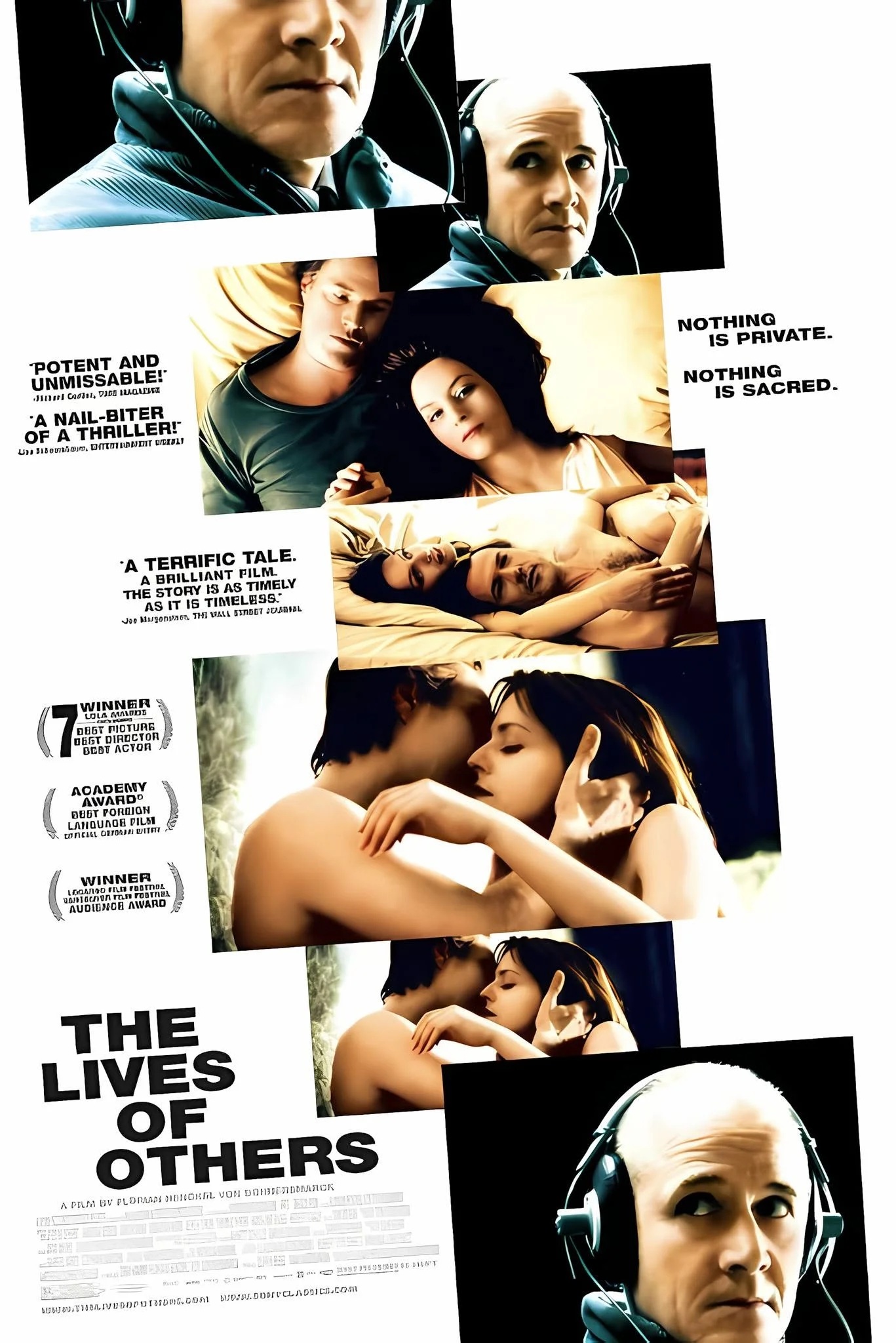
Analytická studie oscarového dramatu Floriana Henckela von Donnersmarcka zkoumající morální konverzi kapitána Stasi Gerda Wieslera, akustický voyeurismus půdního odposlechu, moc umění a havlovskou etiku tichého odporu.
An analytical study deconstructing the transformation process of Stasi secret police agent Gerd Wiesler within an environment of total surveillance and defining silent sabotage tactics.
Celovečerní debut německého režiséra a scenáristy Floriana Henckela von Donnersmarcka Životy těch druhých (Das Leben der Anderen, 2006, stopáž 137 minut), oceněný Oscarem za nejlepší cizojazyčný film, představuje jedno z nejvýznamnějších děl moderní evropské kinematografie věnovaných reflexi totalitního režimu. Snímek, situovaný do Východního Berlína orwellovského roku 1984 – pouhých pět let před pádem Berlínské zdi –, odmítá zjednodušující melodramatické černobílé schéma.
Donnersmarck vytvořil intimní, precizně vygradovanou psychologickou studii o moci státního dohledu, ale především o fenoménu morální konverze: o procesu, v němž chladný, ideologicky perfektně vycvičený aparátčík tajné policie Stasi pod vlivem kontaktu s autentickým uměním a intimitou druhých lidí prohlédne prolhanost systému a stane se jeho tichým vnitřním sabotérem.
I. Kapitán Gerd Wiesler: Banalita zla a úřednická dokonalost Stasi
Ústřední postava kapitána Gerda Wieslera (životní výkon Ulricha Müheho, který sám v NDR zažil policejní dohled) zosobňuje dokonalý instrument totalitní moci:
- Metodika výslechu jako exaktní věda: Úvodní sekvence výslechu vězně na univerzitě Stasi demonstruje Wieslerovu profesní slepotu[cite: 117]. Nevnímá člověka jako bytost obdařenou důstojností; vnímá jej jako biologický objekt podrobený spánkové deprivaci, měření tepu a pachovým zkouškám[cite: 117]. Wiesler nepáchá zlo ze sadismu; v intencích konceptu Hannah Arendtové o „banalitě zla“ pouze s německou pedantičností plní rozkazy ve víře, že chrání socialistický stát před ideologickou korupcí[cite: 117].
- Askeze bez života: Wieslerův soukromý život je vyprázdněný a sterilní: žije sám v panelovém bytě bez ozdob, jí polévku z plechovky a objednává si mechanický sex s anonymní prostitutkou. Je to lidský stroj bez emocí a pochybností[cite: 117].
II. Půdní pozorovatelna: Akustický voyeurismus jako zrcadlo prázdnoty
Zlom nastává ve chvíli, kdy je Wiesler pověřen vedením tajné operace „Lazebník“ (Aktion Lazlo) – kompletním odposlechem bytu úspěšného a loajálního dramatika Georga Dreymana (Sebastian Koch) a jeho partnerky, slavné herečky Christy-Marie Sielandové (Martina Gedecková)[cite: 117]:
- Půda nad stropem svobody: Wiesler si zřídí odposlechové pracoviště v prašném, chladném podkroví přímo nad Dreymanovým bytem[cite: 117]. Kamera Hagen Bogdanského rámuje prostor v šedivých a vybledlých tónech NDR. Wiesler tráví hodiny se sluchátky na uších, zaznamenává na psacím stroji každý rozhovor, milostné vzdechy i kroky[cite: 117].
- Past intimity: Tento permanentní akustický voyeurismus se však záhy obrací proti samotnému špehovi[cite: 117]. Odposlech přestává fungovat jako policejní nástroj a stává se oknem do světa citové hloubky, literatury a vášně, jichž byl Wieslerův život zbaven[cite: 117]. Špión začíná parazitovat na životech těch druhých, až se s nimi podvědomě ztotožní[cite: 117].
III. Sonáta o dobrém člověku: Neuroestetika a zlom svědomí
Klíčový bod obratu filmu přichází ve chvíli, kdy Dreymanův přítel, režisér Jerska, dohnaný kádrovým zákazem činnosti k zoufalství, spáchá sebevraždu oběšením[cite: 117]:
- Hudba obcházející ideologii: Zlomený Dreyman usedá ke klavíru a hraje skladbu Sonate vom guten Menschen (napsanou Gabrielem Yaredem)[cite: 117]. V podkroví sedí Wiesler se sluchátky; kamera pomalu najíždí na jeho ztuhlou, nehybnou tvář, po níž stéká osamělá slza[cite: 117]. Zde film demonstruje sílu neuroestetiky: hudební krása a soucit obcházejí racionální krunýř ideologické indoktrinace a zasahují potlačená emocionální centra lidské psychiky[cite: 117]. Jak sám Dreyman v bytě říká: „Může někdo, kdo slyšel tuto hudbu, opravdu slyšel, zůstat špatným člověkem?“
- Konec víry v systém: Wiesler navíc zjišťuje krutou pravdu: sledování Dreymana nenařídila kontrarozvědka kvůli ochraně státu, nýbrž ministr kultury Hempf, který chtěl dramatika odstranit, aby mohl sexuálně vydírat a zneužívat Christu-Marii[cite: 117]. Systém, jemuž Wiesler zasvětil život, je demaskován jako sprostá mafiánská klika kryjící osobní choutky pohlavárů.
IV. Tichá sabotáž a život v pravdě: Havlovská vzpoura zevnitř
Wiesler se v reakci na kognitivní disonanci neuchyluje k otevřené demonstraci; volí cestu tiché, neviditelné vnitřní sabotáže[cite: 117]:
- Metafora o zelináři v praxi: Tento proces přesně naplňuje filozofii Václava Havla z eseje Moc bezmocných (1978)[cite: 117]. Wiesler přestává vyvěšovat své „heslo v zelinářství“ – odmítá sloužit lži[cite: 117]. Začne systematicky falšovat úřední protokoly: tajná setkání disidentů přepisuje jako zkoušky divadelní hry a zamlčuje přípravu Dreymanova anonymního článku o utajovaných statistikách sebevražd v NDR pro západoněmecký časopis Der Spiegel[cite: 117].
- Krádež psacího stroje: Vrchol jeho tichého hrdinství nastává při závěrečné domovní prohlídce: Wiesler na vlastní pěst tajně vnikne do bytu a vynese z úkrytu pod prahem červenou pásku psacího stroje dříve, než ji Stasi stihne nalézt, ačkoliv ví, že tím riskuje vlastní likvidaci. Systém je paralyzován vlastním vykonavatelem, jenž odmítl poslušnost[cite: 117].
V. Závěr: Otevřené archivy a věnování dobrému člověku
Katarzní finále filmu po pádu komunistického režimu představuje jeden z nejemotivnějších závěrů moderní kinematografie[cite: 117]:
- Čtení vlastního spisu: Po sjednocení Německa Dreyman navštíví archiv Stasi (Gauck-Behörde) a při studiu svého svazku odhaluje pravdu: dojde mu, že jej celá léta chránil neznámý agent s krycím kódem HGW XX/7[cite: 117]. Zjišťuje, že Wiesler byl po prozrazení degradován na otevírání dopisů v suterénu a dnes se živí jako roznašeč reklamních letáků po Berlíně[cite: 117].
- Ne, to je pro mě: Dreyman nevyhledá Wieslera k osobnímu poděkování; napíše román Sonáta o dobrém člověku. Když Wiesler míjí knihkupectví na Karl-Marx-Allee, spatří knihu ve výloze, vstoupí dovnitř a otevře první stránku nesoucí dedikaci: „Věnováno HGW XX/7 s vděčností.“ Když se ho prodavač u pokladny zeptá, zda chce knihu zabalit jako dárek, Wiesler pronese závěrečnou větu celého filmu: „Ne. To je pro mě.“ (Nein, es ist für mich)[cite: 117]. Donnersmarckovo dílo zůstává nesmrtelným mementem: dokazuje, že ani ten nejbrutálnější totalitní aparát nedokáže zcela vymazat lidské svědomí a že skutečná velikost člověka se projevuje v tichých, neviditelných činech odvahy, vykonaných bez naděje na slávu či odměnu[cite: 117].
Slovníček pojmů a bibliografie
- Banalita zla (Hannah Arendtová): Koncept popisující provádění nelidských zločinů řadovými byrokraty a úředníky bez osobní nenávisti, pouze skrze mechanické plnění předpisů a rozkazů[cite: 117].
- Život v pravdě (Václav Havel): Etický postoj jedince v posttotalitním režimu, který odmítne participovat na oficiálních lžích a rituálech moci, čímž rozbíjí stabilitu systému[cite: 117].
- Akustický voyeurismus: Způsob filmařské narace a inscenace, kde sledování a odposlech intimity druhých proměňuje vnitřní morální integritu pozorovatele[cite: 117].
- Gauck-Behörde: Federální úřad pro správu dokumentů Státní bezpečnosti bývalé NDR, umožňující občanům nahlédnout do tajných svazků vedených na jejich osoby po roce 1989.
Bibliografie (Chicago Style):
- Arendt, Hannah. Eichmann in Jerusalem: A Report on the Banality of Evil. New York: Viking Press, 1963[cite: 117].
- Donnersmarck, Florian Henckel von, dir. Das Leben der Anderen (The Lives of Others). München: Wiedemann & Berg Filmproduktion, 2006.
- Donnersmarck, Florian Henckel von. Das Leben der Anderen: Das Filmbuch. Frankfurt am Main: Suhrkamp, 2006.
- Gieseke, Jens. The History of the Stasi: East Germany’s Secret Police, 1945–1990. New York: Berghahn Books, 2014.
- Havel, Václav. Moc bezmocných a jiné eseje. Praha: Rozmluvy, 1990[cite: 117].
The present study provides an in-depth deconstruction of the transformation process of Stasi secret police agent Gerd Wiesler within an environment of total surveillance. To maintain analytical integrity, the text strictly separates the director’s original intent (the celebration of art as a catalyst for humanity) from the applied psychological interpretation (the dissolution of professional blindness). The methodological framework relies on the concept of the „banality of evil“ and the explication of Václav Havel’s greengrocer metaphor. In the final phase, this theoretical framework is transformed into applied practice, defining specific tactics of „silent sabotage“ and providing the individual with a cognitive shield for daily contact with manipulative structures.
I. Author’s Intent: Art as a Biological Key to Suppressed Humanity
The film is not conceptualized primarily as a political manifesto, but rather as an intimate drama about the salvation of a single human soul through aesthetic experience.
- Artistic Vision: The creator’s declared intent was to demonstrate the fragility of ideology when confronted with authentic beauty. The character of Wiesler functions as a cold bureaucratic machine only until exposed to the wiretapped world of artists.
- The Catalyst of Change: The key narrative point occurs when the agent listens to the Sonata for a Good Man (composed by Gabriel Yared). From the author’s perspective, it is art that bypasses the rational, politically trained brain and directly impacts the emotional centers. The directorial message implies that even the most rigid systemic enforcer possesses a human essence that contact with truth can reawaken.
II. Analytical Interpretation: Neuroaesthetics and the End of the „Banality of Evil“
When applying psychological analysis to the author’s intent, a clinical process of moral conversion and the collapse of learned obedience is identified.
- The Banality of Evil in Practice: Philosopher Hannah Arendt defined the „banality of evil“ as a state where evil is perpetrated by rank-and-file bureaucrats mindlessly following orders. Wiesler is characterized by professional blindness—he perceives not human beings, but objects.
- Cognitive Dissonance: Confrontation with art induces severe internal tension (cognitive dissonance) within the subject. The conscious mind can no longer logically reconcile empathy with the cruelty of the restrictive system. The resulting tension forces the individual to alter their behavior—reports are falsified to protect the victim.
III. The Context of Silent Resistance: Exposition of Havel’s „Greengrocer“
Wiesler’s sabotage of the system perfectly illustrates the phenomenon defined by Václav Havel in his essay The Power of the Powerless (1978).
- The Greengrocer Metaphor: Havel utilizes the allegory of a greengrocer who daily places the communist slogan „Workers of the world, unite!“ in his shop window. The subject does not believe the slogan’s content; he displays it solely out of fear of persecution and to demonstrate conformity.
- The Breaking Point: True transformation, according to Havel, occurs the moment the greengrocer decides not to display the slogan and begins to „live in truth.“ The system is thereby stripped of its power, as its existence is entirely contingent upon society-wide feigned obedience.
- Application to the Narrative: The Stasi agent in the film performs an identical act. He does not initiate armed resistance; he merely ceases the distribution of truthful data to the system, leading to its internal paralysis.
IV. Applied Practice: The Cognitive Shield and Everyday Tactics
The behavior of the main characters and the philosophical context provide a direct model for the modern defense of the individual against populist and manipulative pressures. This model consists of two practical levels:
- A. The Pocket Shield (A Cognitive Shortcut for Crisis Situations):
- Definition of Stance: At the moment of coercion to participate or express agreement, the subject internally defines: „My hands will not serve to spread someone else’s lie. I refuse to hang the sign. My identity does not depend on the applause of a manipulated majority.“
- B. Everyday Tactics (The Methodology of Silent Sabotage):
- Information Asymmetry (Targeted Inaction): Inspired by Agent Wiesler’s behavior. The subject does not demonstrate open resistance but becomes an invisible brake. If situated within a hierarchical structure requiring the spread of a toxic narrative, they slow down processes, demand rigid written instructions, and filter outgoing data. A system reliant on automatic obedience thereby grinds to a halt.
- The Grey Rock Method (Emotional Detachment): During verbal confrontation with a fanatic proponent of populism, the subject provides no arguments nor exhibits anger. The response is strictly neutral („I hear your position. I evaluate the situation differently.“). The aggressor is thereby denied the dopamine reward of conflict, and the manipulative effort quickly extinguishes.
- End of the „Cult of the Victim“ (Personal Action Instead of Complaining): Inspired by the behavior of the playwright Dreyman. When the system drives Dreyman’s friend to suicide, the hero does not remain in the passive role of a victim complaining about the regime. He assumes radical responsibility: he secretly acquires a smuggled typewriter and writes an article for the Western press exposing the truth.
- Real-World Application: If the surrounding environment constantly repeats populist slogans from the position of aggrieved victims („They robbed us again, it’s the fault of those at the top“), the subject refuses the pity game and shifts the focus to the personal sphere of influence: „I understand your frustration. But what specific steps are you personally going to take about it tomorrow morning?“ This question immediately shatters learned helplessness and terminates the toxic debate, forcing the complainer to confront their own passivity.
V. Conclusion: Integrity as a Verdict on the System
The definitive elimination of the manipulator does not primarily require their physical overthrow. It involves reaching a state where lying and participating in the system become toxic to the individual. Once a critical mass of individuals applying the method of „silent sabotage“ and „living in truth“ emerges within a manipulative structure, the system is doomed to collapse due to the loss of executive support.
Glossary of Technical Terms:
- Phenomenology: A philosophical approach exploring how an individual internally experiences and perceives reality. In the context of this study, it refers to the agent’s internal experience leading to his moral transformation.
- Moral Conversion: A fundamental, profound, and often irreversible change in personal values and beliefs (the rebirth from a perpetrator of evil into a protector).
- Neuroaesthetics: A cognitive discipline investigating how art (music, poetry) physically stimulates the nervous system and activates brain centers responsible for empathy.
- Banality of Evil: H. Arendt’s concept explaining that the greatest historical evils are not committed by pathological monsters, but by obedient bureaucrats who refuse to reflect on the moral consequences of their work.
- Cognitive Dissonance: A psychological state of severe internal tension that occurs when two contradictory beliefs clash (e.g., obedience to a cruel system vs. awakened compassion for a victim). The subject is forced to resolve this tension by altering their behavior or mindset.
- Learned Helplessness: A psychological condition where, following prolonged duress, a victim resigns from defending themselves, acquiring a false sense that no action of theirs can change the situation.
- Diffusion of Responsibility: A phenomenon where guilt for an amoral act is diluted within a crowd or hierarchical system, leading the individual to feel that they bear no personal responsibility („I was just following orders, the system is to blame“).
Bibliography:
- Arendt, Hannah: Eichmann in Jerusalem: A Report on the Banality of Evil. Penguin Books, 1963.
- Festinger, Leon: A Theory of Cognitive Dissonance. Stanford University Press, 1957.
- Havel, Václav: Moc bezmocných. 1978.
- Schiller, Friedrich: O estetické výchově člověka v řadě listů. 1795.
- Yared, Gabriel: Original Score: Das Leben der Anderen. 2006.