Posedlost (Possession, 1981): Anatomie hysterie a materializace bolesti
Possession (1981): The Anatomy of Hysteria and the Materialization of Pain
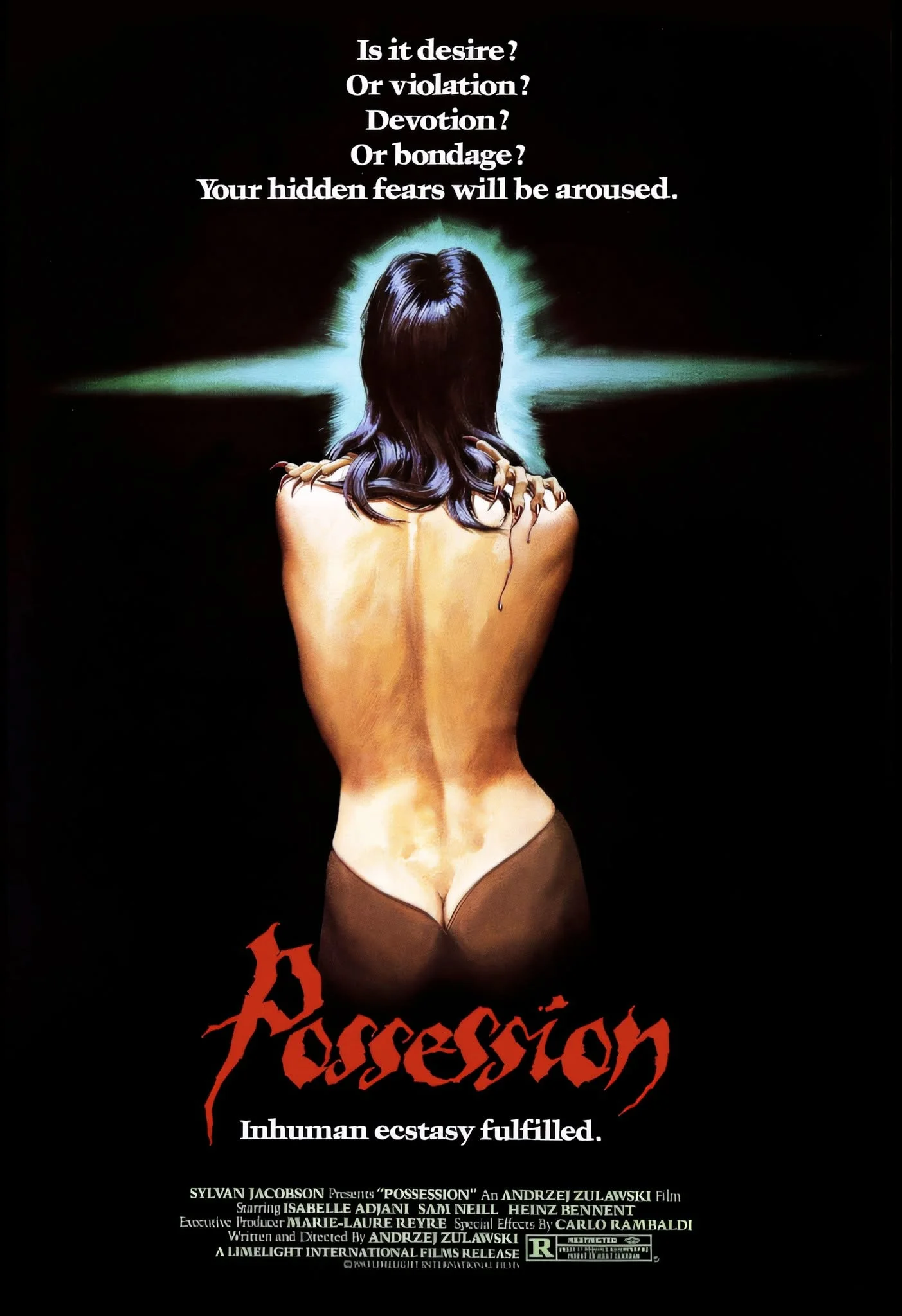
Analytická studie psychologického hororu Andrzeje Żuławského zkoumající destrukci manželství, tělesnost rozvodu a zrození monstra z emocionální prázdnoty.
An analytical study of Andrzej Żuławski's psychological horror exploring marital destruction, the corporeality of divorce, and the birth of a monster from an emotional vacuum.
Snímek Andrzeje Żuławského Posedlost (Possession, 1981, stopáž 124 minut) představuje nejradikálnější a nejextrémnější ztvárnění manželského rozpadu v dějinách světové kinematografie. Żuławski, sám hluboce poznamenán osobním traumatem vlastního rozvodu i nuceným politickým odchodem z komunistického Polska, vytvořil dílo, které odmítá psychologický realismus konverzačních dramat. Namísto toho transformuje rozpad vztahu muže a ženy v tělesnou, viscerální noční můru, v níž se nezvladatelná emocionální bolest přímo materializuje do podoby krve, fyzického sebemrzačení a chobotnicovitého monstra.
Metodologicky se tato studie zaměřuje na kinetickou kameru Bruna Nuyttena, geopolitickou symboliku rozděleného Berlína a herecký výkon Isabelle Adjaniové, oceněný v Cannes a na Cenách César.
I. Geometrie rozděleného města a odcizená horizontála
Příběh je zasazen do Západního Berlína na přelomu 70. a 80. let, do bezprostřední blízkosti Berlínské zdi v čtvrti Kreuzberg[cite: 133]:
- Zeď jako makrometafora: Masivní betonová zeď se strážními věžemi a ostnatým drátem, jež je viditelná z oken bytu Marka (Sam Neill) a Anny (Isabelle Adjaniová), nepředstavuje pouhou historickou kulisu[cite: 133]. Funguje jako prostorový ekvivalent absolutní neprostupnosti a nemožnosti komunikace mezi manžely[cite: 133].
- Architektura studené války: Sterilní stanice metra, vybydlené činžovní domy a šedé asfaltové bulváry vytvářejí horizontálu permanentní tenze[cite: 133]. V tomto prostoru neexistuje bezpečné zázemí – domov se proměnil v bitevní pole, kde se slova změnila v rány a kde přítomnost tajných služeb zrcadlí vzájemné špehování a paranoiu obou partnerů[cite: 133].
II. Kinetická kamera a erupce potlačené tělesnosti
Vizuální jazyk filmu odmítá kontemplativní odstup klasického artového dramatu[cite: 133]:
- Maniakální fluidita Bruna Nuyttena: Kamera je v nepřetržitém, hysterickém pohybu – krouží kolem těl herců, prudce najíždí na jejich zorničky, snímá prostor v extrémních úhlech a kopíruje fyzickou křeč postav[cite: 133]. Divák je zbaven možnosti racionální distance a je přímo vtažen do stavu psychotické ataky[cite: 133].
- Scéna v podchodu metra: Legendární sekvence v kachličkovaném podchodu stanice Platz der Luftbrücke tvoří absolutní vrchol tělesného hororu[cite: 133]. Anna zmítaná záchvatem šílenství naráží do zdí, svíjí se v křečích, zvrací a z jejího těla vytéká krev smíchaná s bílou tekutinou[cite: 133]. Tato scéna není démonickou posedlostí ve stylu Vymítače ďábla; je to doslovný potrat lidského rozumu, víry a identity pod náporem neúnosného traumatu[cite: 133].
III. Monstrum jako zhmotnění vakua a syntetický doppelgänger
Anna svou prázdnotu neřeší pouhým odchodem k narcistnímu milenci Heinrichovi[cite: 133]:
- Lovecraftovská materializace: V opuštěném bytě na dohled od Zdi krmí a souloží s beztvarou stvůrou stvořenou z tělesných tekutin, masa a krve zavražděných mužů[cite: 133]. Toto monstrum (navržené Carlem Rambaldim) nepředstavuje mimozemského vetřelce; je to fyzická manifestace Annina odporu k manželovi, jejího potlačeného hněvu a naprosté citové pustoty[cite: 133].
- Zrození dokonalých kopií: Stvůra postupně absorbuje lidské rysy, až se promění v dokonalého, poslušného dvojníka Marka[cite: 133]. Současně se v Markově životě objevuje Helen, učitelka jejich syna Boba, jež je fyzicky identická s Annou, avšak postrádá její sebedestruktivní běsnění[cite: 133]. Partneři nahrazují své živé, komplikované protějšky syntetickými, vyprázdněnými ideály[cite: 133].
IV. Závěr: Apokalypsa ega a globální zmar
Závěrečný masakr na točitém schodišti činžáku přináší definitivní kolaps lidského subjektu[cite: 133]:
- Smrt originálů: Původní Mark i původní Anna umírají pod palbou policie v tratolišti vlastní krve, spjati v posledním objetí zkázy[cite: 133].
- Triumf syntetického světa: Do bytu přichází nový, dokonalý dvojník Marka se zelenýma očima, zatímco malý syn Bob volí raději utopení ve vaně, než aby žil v novém řádu. Závěrečný zvuk sirén ohlašujících atomovou apokalypsu stvrzuje Żuławského nihilistickou tezi: když lidé ztratí schopnost unést bolest a lásku, zničí nejen své vztahy, ale i samotné základy civilizace[cite: 133].
Slovníček pojmů a bibliografie
- Materializace bolesti: Filozoficko-estetický proces, při němž se extrémní psychické trauma a citová prázdnota fyzicky zhmotňují do organické biologické hmoty a monstrózity[cite: 133].
- Kinetická kamera: Režijní postup využívající permanentní dynamický pohyb kamery k simulaci paniky, hysterie a rozpadu vnitřní stability postav[cite: 133].
- Syntetický doppelgänger: Dokonalá vnější kopie lidské bytosti zbavená autentických emocí, stvořená jako náhražka za zničený vztah[cite: 133].
Bibliografie (Chicago Style):
- Bird, Michael. “Andrzej Zulawski’s Possession: The Aesthetics of Hysteria.” Kinoeye 2, no. 12 (2002)[cite: 133].
- Goddard, Michael. The Cinema of Andrzej Żuławski: Madness, Sexuality, Power. London: I.B. Tauris, 2015[cite: 133].
- Mazierska, Ewa, and Michael Goddard, eds. Polish Cinema in a Transnational Context. Rochester: University of Rochester Press, 2014[cite: 133].
- Żuławski, Andrzej, dir. Possession (Motion Picture). Paris: Gaumont / Oliane Productions, 1981.
This study deconstructs Andrzej Żuławski’s psychological horror Possession (1981, running time 124 minutes) as the most extreme cinematic portrayal of the breakdown of a marital relationship. The film analyzes the destruction of Mark and Anna’s union, which escalates from verbal arguments to physical self-mutilation and the creation of a Lovecraftian monster.
Methodologically, the text focuses on Bruno Nuytten’s kinetic, aggressive camerawork, the symbolism of divided Berlin during the Cold War, and the unprecedented, physically exhausting performance of Isabelle Adjani. The film demonstrates that when emotional pain exceeds the limits of human endurance, psychological disintegration inevitably materializes into flesh, blood, and madness.
I. The Geometry of the Divided City and the Alienated Horizontal
The story is set in 1980s West Berlin, in the immediate vicinity of the Berlin Wall. This radical visual setting is not accidental. The Wall functions as a perfect macro-metaphor for the micro-conflict inside the apartment of Mark (Sam Neill) and Anna (Isabelle Adjani).
The city is divided, filled with concrete, cold colors, and armed guards, creating a horizontal of permanent tension. There is no escape space here, only claustrophobic isolation and the omnipresent threat of destruction. The physical barrier mirrors the absolute impossibility of communication between the spouses, whose words have lost their meaning and turned into mere tools for mutual wounding.
II. The Kinetic Camera and the Eruption of the Suppressed Vertical
The visual style of the film rejects static observation. Bruno Nuytten’s camera is in constant, often manic motion, mirroring the psychological state of the characters. Pans, circling shots, and tight close-ups of deformed faces drag the viewer directly into the center of the hysteria.
The film’s most famous scene—Anna’s hysterical fit in a deserted subway tunnel, accompanied by the discharge of blood and milk—represents the absolute eruption of the suppressed vertical. It is not a classic demonic possession, but a miscarriage of the remnants of her sanity and faith. It is the moment when the human body cannot contain the volume of psychological agony and physically explodes.
III. The Monster as the Embodiment of the Vacuum and the Doppelgänger
Anna addresses her emotional coldness and sexual frustration from a dysfunctional marriage not merely through a standard affair (with the eccentric Heinrich). In an abandoned apartment, she secretly feeds and tends to a tentacled monster, born of blood and bodily fluids. This creature is neither an alien nor a supernatural demon; it is the literal materialization of her emptiness and hatred.
The monster gradually transforms and absorbs a human shape until it becomes Mark’s perfect, yet emotionally submissive and cold double (doppelgänger). Simultaneously, Mark meets Helen, his son’s teacher, who is physically identical to Anna but lacks her neurotic destructiveness. Synthetic copies replace the originals.
IV. Conclusion: The Apocalypse of the Ego and the Victory of Synthesis
The final act of the film represents the definitive destruction of human identity. The real Mark and the real Anna die on a staircase in a pool of blood, completely destroyed by their own relationship. However, their created doubles take over the world.
The final shot, where the synthetic Mark enters the apartment while apocalyptic sirens sound outside and a dead-eyed Helen refuses to open the door, is a triumph of complete nihilism. The disintegration is complete. Human beings unable to bear the weight of their own emotions have been eradicated and replaced by their perfect, empty versions, over which the curtain of global ruin falls.
Glossary and Bibliography
- Materialization of Pain: The physical manifestation of psychological agony and emotional vacuum into living biological tissue.
- Kinetic Camera: An aggressive, constantly moving camera style reflecting the psychotic tension and emotional state of characters.
- Synthetic Doppelgänger: A substitute copy created out of emotional emptiness to replace the emotionally destroyed original human being.
- Apocalypse of the Ego: The complete dissolution of human identity and sanity under the pressure of intolerable interpersonal trauma.
Bibliography (Chicago Style):
- Bird, Michael. “Andrzej Zulawski’s Possession: The Aesthetics of Hysteria.” Kinoeye 2, no. 12 (2002).
- Goddard, Michael. The Cinema of Andrzej Żuławski: Madness, Sexuality, Power. London: I.B. Tauris, 2015.
- Mazierska, Ewa, and Michael Goddard, eds. Polish Cinema in a Transnational Context. Rochester: University of Rochester Press, 2014.
- Żuławski, Andrzej. Possession (Audio Commentary). Directed by Andrzej Żuławski. Los Angeles: Mondo Vision, 2014. DVD.