Pozvání (The Invitation, 2015): Anatomie gaslightingu a sociální rezistence
The Invitation (2015): The Anatomy of Gaslighting and Social Resistance
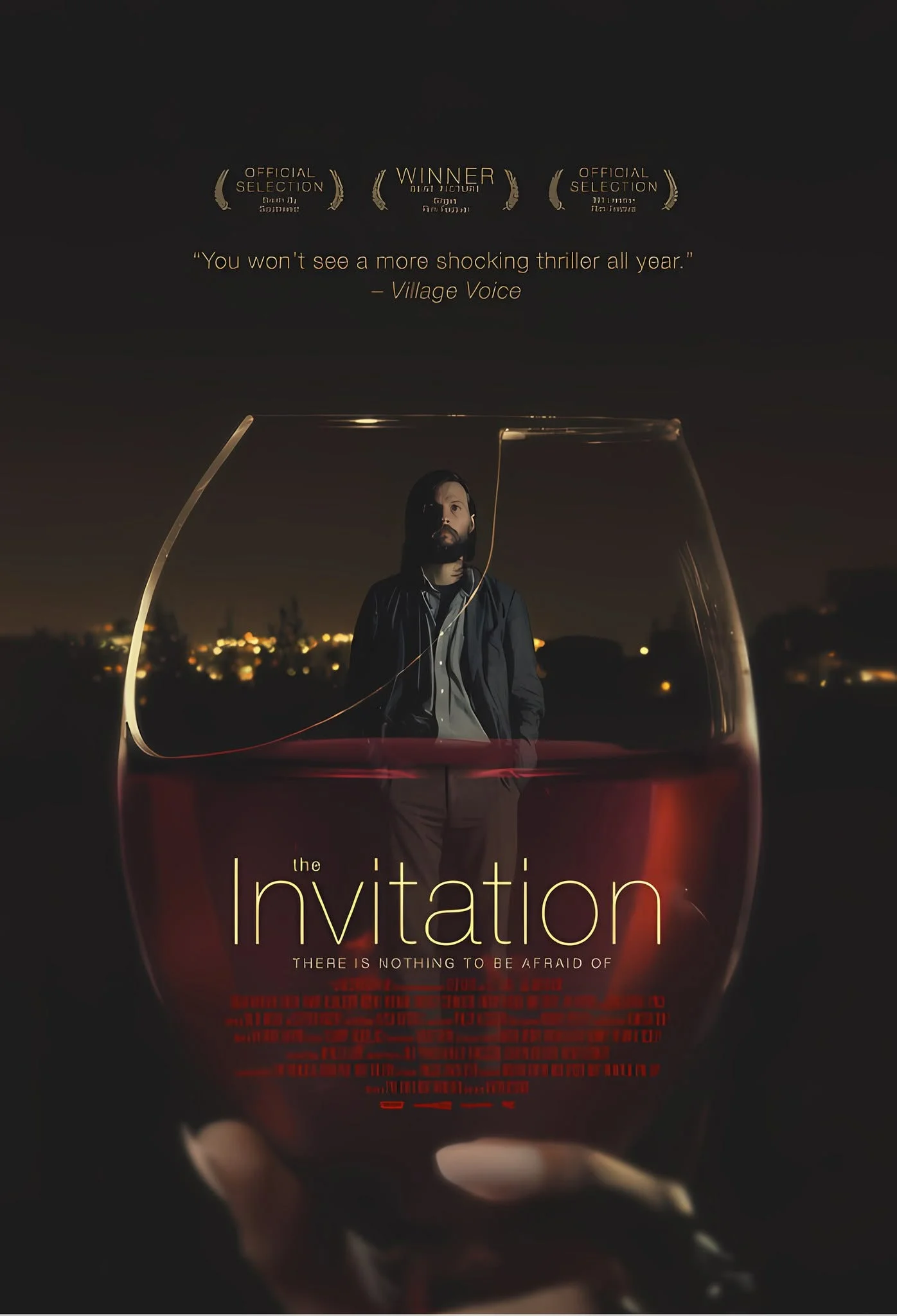
Analytická studie psychologického thrilleru Karyn Kusamy dekonstruující mechanismy gaslightingu, nebezpečí společenské zdvořilosti a patologii kultu úlevy od žalu.
An analytical study deconstructing Karyn Kusama’s psychological thriller The Invitation as a manual for recognizing gaslighting, exploring the dangers of politeness and the pathology of unprocessed grief.
Psychologický thriller režisérky Karyn Kusamy Pozvání (The Invitation, 2015, stopáž 100 minut) představuje precizně zkonstruovaný model fungování sofistikované sociální manipulace a kultovního nátlaku. Tvůrci film koncipovali jako subverzivní „horor mravů“ (comedy of manners turned horror), jehož ústředním tématem je nebezpečí přehnané společenské zdvořilosti (the dangers of being polite).
Příběh sleduje Willa (Logan Marshall-Green), který po dvou letech od tragické smrti syna a rozpadu manželství přijímá pozvání na večeři od své bývalé ženy Eden a jejího nového manžela Davida do jejich odlehlé vily v Hollywood Hills. Will jako jediný vycítí skryté nebezpečí pod maskou pohostinnosti, zatímco ostatní hosté jej nutí potlačit vlastní instinkty ve jménu konformity a slušnosti[cite: 134].
I. Horizontála zdvořilosti jako past konformismu
Režisérka buduje dramatické napětí v sevřeném prostoru moderní vily během jediného večera[cite: 134]:
- Diktát společenské etikety: Manipulace v Pozvání nezačíná fyzickým nátlakem, nýbrž zneužitím společenských konvencí[cite: 134]. Scénář Phila Haye a Matta Manfrediho paralyzuje postavy civilizačním blokem: lidé se bojí vyvolat trapnost nebo působit paranoidně a nevděčně, a proto raději vědomě ignorují varovné signály (zamčené dveře na klíč, mříže na oknech, podivné hosty)[cite: 134].
- Jantarová estetická past: Kamera Bobbyho Shorea halí interiéry do teplých, zlatavých a jantarových tónů krbového ohně a svíček, jež evokují bezpečí a přátelskou idylu[cite: 134]. Tato vizuální harmonie vytváří silnou kognitivní disonanci – divákovo oko vnímá luxus a vřelost, zatímco podvědomí registruje přítomnost predátora[cite: 134].
II. Gaslighting a akustická represe pochybnosti
Středobodem vyprávění je systematický gaslighting uplatňovaný na Willa[cite: 134]:
- Patologizace zdravé ostražitosti: Kdykoliv Will poukáže na nepřirozené chování hostitelů, Eden a David mu s chápavým úsměvem vysvětlí, že pouze projektuje svůj nezpracovaný žal a depresi ze smrti dítěte[cite: 134]. Ostatní přátelé se stávají nevědomými spolupachateli manipulace – v touze vyhnout se konfliktu Willa neustále napomínají a nutí jej pochybovat o vlastním zdravém rozumu[cite: 134].
- Akustický prach a vizuální izolace: Zvukový design pracuje s podprahovým nízkofrekvenčním hučením („akustickým prachem“), které se mísí s cinkáním příborů a sklenic, čímž generuje permanentní senzorickou úzkost[cite: 134]. Kamera s extrémně nízkou hloubkou ostrosti izoluje Willovu tvář od rozostřeného okolí a vizualizuje jeho klaustrofobické tunelové vidění[cite: 134].
III. Toxická pozitivita a sekta jako únik před žalem
Snímek provádí pronikavou diagnózu moderních new-age kultů a toxické pozitivity[cite: 134]:
- Odmítnutí bolesti: Eden a David se stali členy skupiny zvané The Invitation v Mexiku, která slibuje úplné odstranění lidského utrpení a žalu[cite: 134]. Kusama ukazuje sektářství nikoliv jako fanatismus primitivů, nýbrž jako zvrácenou touhu zranitelných lidí uniknout před neúnosnou ztrátou[cite: 134].
- Vyhlazení jako dar: Závěrečný plán hostitelů – otrávit všechny své nejbližší přátele kyanidem v archivním víně – nevychází ze zášti, ale z chorobného přesvědčení, že smrt je milosrdným darem osvobození od pozemské bolesti.
IV. Závěr: Právo na nezdvořilost a červené lucerny v kaňonu
Katarzní vyvrcholení filmu plně rehabilituje Willův zdánlivě paranoidní postoj[cite: 134]:
- Triumf instinktu nad etiketou: Ve chvíli, kdy Will rozbije otrávenou sklenku o krb, masky padají a začíná boj o holý život[cite: 134]. Snímek dokazuje, že instinkt sebezáchovy je jedinou funkční zbraní a že člověk musí mít odvahu odmítnout společenskou slušnost, pokud cítí ohrožení[cite: 134].
- Závěrečný pohled na Los Angeles: Finální záběr, kdy Will a jeho partnerka Kira vycházejí z krvácejícího domu a pohlédnou do nočního údolí Hollywood Hills poseté desítkami rozsvícených červených luceren, posouvá film do apokalyptické roviny[cite: 134]. Rituální vraždy neprobíhaly pouze v tomto domě; sekta infiltrovala celou metropoli[cite: 134]. Pozvání varuje, že touha vyhnout se bolesti za cenu popření reality představuje epidemii, která rozkládá samotné základy lidství[cite: 134].
Slovníček pojmů a bibliografie
- Horor mravů (Comedy of Manners turned Horror): Žánrový koncept, v němž pravidla společenské etikety, zdvořilosti a strach ze společenského trapasu paralyzují schopnost obětí bránit se reálnému smrtícímu nebezpečí[cite: 134].
- Toxická pozitivita kultu: Násilné popírání přirozených lidských emocí (smutku, žalu, vzteku) ve prospěch falešného permanentního klidu a štěstí, sloužící jako nástroj psychologické manipulace.
- Akustický prach: Zvuková technika vrstvení nízkofrekvenčních ambientních ruchů pod běžné diegetické zvuky za účelem vyvolání podvědomého neklidu a paranoie u diváka[cite: 134].
Bibliografie (Chicago Style):
- Hay, Phil, and Matt Manfredi. The Invitation: Screenplay. Los Angeles: Gamechanger Films, 2015.
- Kusama, Karyn, dir. The Invitation (Motion Picture). Los Angeles: Drafthouse Films, 2015.
- Shore, Bobby. “Capturing Paranoid Intimacy in The Invitation.” American Cinematographer 97, no. 4 (2016): 22–26[cite: 134].
- Stern, Robin. The Gaslight Effect: How to Spot and Survive the Hidden Manipulation Others Use to Control Your Life. New York: Morgan Road Books, 2007[cite: 134].
This study deconstructs Karyn Kusama’s psychological thriller The Invitation (2015, running time 100 minutes) as a perfectly constructed manual for recognizing sophisticated emotional manipulation. The film, which the creators explicitly conceived as a „horror of manners“ exploring the „dangers of being polite,“ follows Will, who is invited to a dinner party hosted by his ex-wife. Here, he alone senses a creeping danger beneath the mask of hospitality. Methodologically, the text focuses on the fusion of the thematic phenomenon of „gaslighting“ and the film’s technical precision. The film does not deal with classic fanaticism; rather, it explores the horror of unprocessed trauma, depicting cultism as a perverted form of grief relief. The film illustrates that in the fight against this toxic positivity and social conformity, our strongest survival tool is the very instinct that compels us to discard politeness and act.
I. The Horizontal of Politeness and the Visual Trap
Most of the narrative unfolds during a single evening in a luxury home in Hollywood Hills, where the director builds a horizontal of politeness.
- Manipulation occurs not through violence, but through the expectations of social etiquette and „normal“ behavior. Phil Hay’s screenplay deliberately paralyzes the characters with the most terrifying civilizational block: people prefer to suppress their elementary survival instinct rather than cause a conflict or appear as ungrateful, paranoid guests to their friends.
- To lull both the viewer and the protagonists, the lighting is tuned to warm, amber tones, evoking safety and luxury. This aesthetic dissonance—where the eyes see a friendly idyll, but the subconscious reports a threat—forms the film’s primary visual trap. Kusama intentionally uses inviting colors to show how easily the pathology of unprocessed grief and murderous „new-age“ therapy can be hidden behind the facade of a perfect host, and how the paralyzing fear of a social faux pas can force us to ignore our own safety.
II. Gaslighting and Acoustic Repression
The film brilliantly employs the mechanism of gaslighting, constantly suggesting to Will that his suspicions are merely projections of his unprocessed past trauma.
- This psychological pressure is amplified by the cinematography and sound. The cinematographer utilizes an extremely shallow depth of field, sharply delineating Will’s face and isolating him from the blurred background, thereby visualizing his tunnel vision and paranoia.
- The sound design deepens this state by deploying „sonic dust“—a constant, low-frequency hum mixed with the mundane clinking of glasses. The other guests become unconscious tamers; through their efforts to maintain peace, they isolate Will and force him to doubt his own senses.
III. A Guide to Resistance and Editing Diagnosis
Unlike victims who allow themselves to be tamed by new rules, Will’s resistance lies in trusting his own unease.
- The editing directly supports this stance: shots of the hosts’ faces linger for a few seconds longer than is typical in a conversational drama. These excess seconds reveal the terrifying micro-expressions of the manipulators, their forced smiles, and flashes of emptiness.
- The editing thus provides both the viewer and Will with a diagnostic tool to decode the lie in real time. Resistance is defined here as an active unwillingness to accept an imposed, static calm at the cost of losing freedom, with the film defending the individual’s sovereign right to impoliteness.
IV. Conclusion: Instinct as the Last Line of Defense
The film’s conclusion is a devastating validation of Will’s intuition.
- The moment the masks definitively fall and polite conversation turns into a bloody fight for survival, it becomes clear that Will’s instinctive vigilance was the only rational stance.
- The film ends with the chilling realization that manipulation and cult thinking (feeding on vulnerability and pain) act as a contagion, parasitizing the human need to belong and blend in. The film’s cautionary memento is thus absolute: true freedom and the chance of survival begin exactly where a person loses the fear of being socially unacceptable to those around them.
Bibliography / Bibliography (Chicago Style):
- Hay, Phil, and Karyn Kusama. The Invitation: Screenplay and The Dangers of Being Polite. Drafthouse Films, 2016.
- Kusama, Karyn. Director’s Commentary on The Invitation. Drafthouse Films, 2016. Blu-ray.
- Shore, Bobby. „Capturing Paranoid Intimacy in The Invitation.“ American Cinematographer, April 2016.
- Stern, Robin. The Gaslight Effect: How to Spot and Survive the Hidden Manipulation Others Use to Control Your Life. New York: Morgan Road Books, 2007.
- Tucker, Plummy. „The Rhythm of Unease: Editing Psychological Thrillers.“ CinemaEditor Magazine, 2016.