Plynové lampy (Gaslight, 1944): Zrození psychologického teroru a architektura pochybnosti
Gaslight (1944): The Birth of Psychological Terror and the Architecture of Doubt
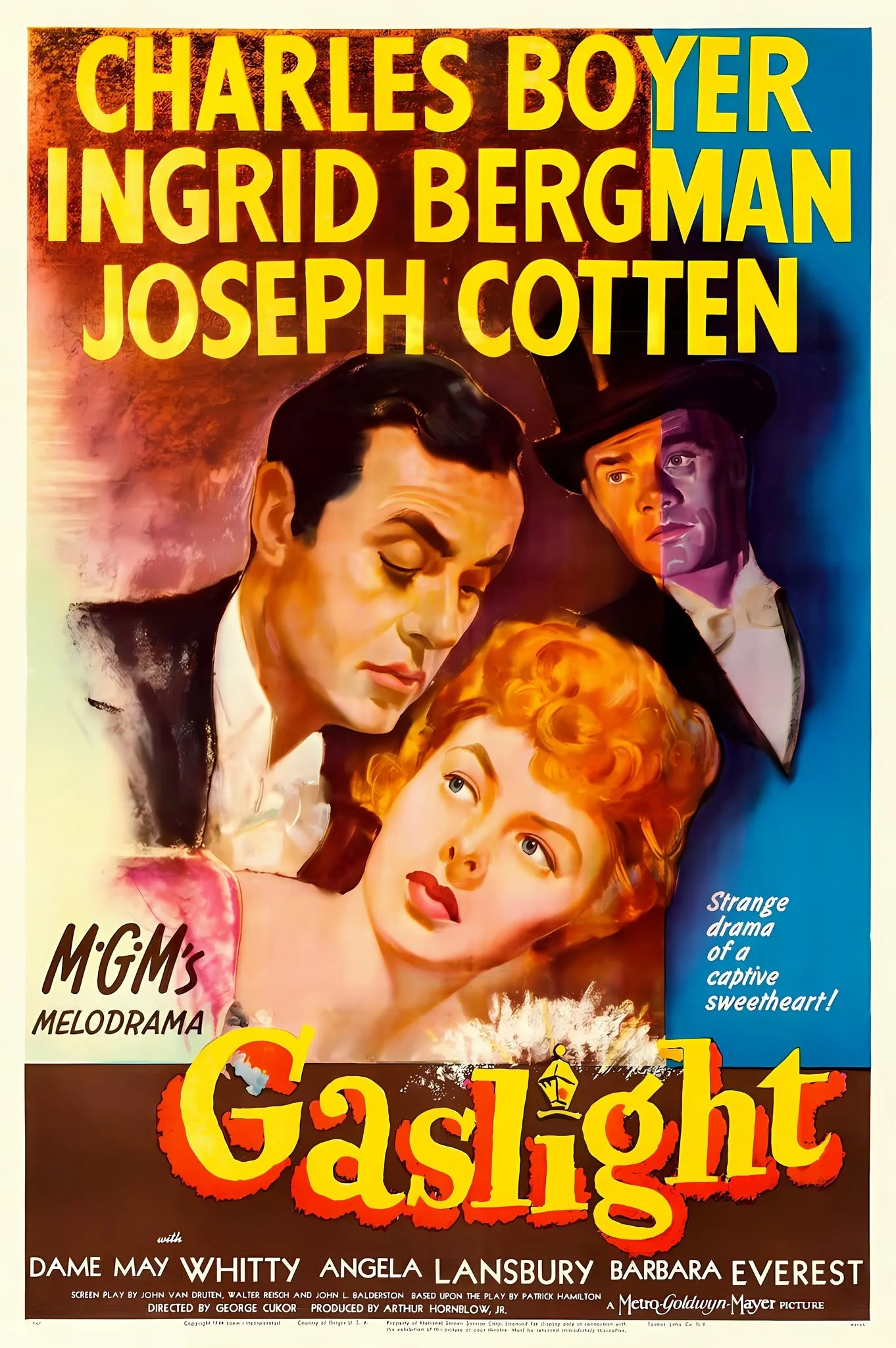
Analytická studie klasického psychologického thrilleru George Cukora zkoumající manipulaci příčetnosti, chiaroscuro kameru Josepha Ruttenberga a zrod konceptu gaslightingu.
An analytical study deconstructing George Cukor’s classic psychological thriller Gaslight as the fundamental work defining the modern concept of sanity manipulation and gaslighting.
Klasický psychologický thriller George Cukora Plynové lampy (Gaslight, 1944, stopáž 114 minut) představuje fundamentální dílo světové kinematografie, jež dalo vzniknout modernímu psychologickému a sociologickému pojmu „gaslighting“. Snímek, adaptující úspěšnou divadelní hru Patricka Hamiltona, sleduje Paulu Alquistovou, kterou její charismatický manžel Gregory Anton systematicky a chladnokrevně vmanipulovává do stavu zdánlivého šílenství, aby získal přístup k rodinným klenotům ukrytým na půdě jejího rodného domu.
Metodologicky se text zaměřuje na Cukorovo propojení psychologického nátlaku s oscarovou výpravou Cedrica Gibbonse a expresionistickou chiaroscuro kamerou Josepha Ruttenberga, jež proměňují viktoriánský interiér v klaustrofobní mučírnu lidské duše.
I. Architektura izolace a vizuální dušení
Děj je pevně situován do chmurného domu na londýnském náměstí Thornton Square, který se stává hmotným ztělesněním Pauliny paralyzované mysli[cite: 132]:
- Přehlcený prostor: Výprava Cedrica Gibbonse záměrně zaplnila pokoje těžkými brokátovými závěsy, temným viktoriánským nábytkem, zaprášenými obrazy a starožitnostmi[cite: 132]. Dům nepůsobí jako domov, nýbrž jako dusivé mauzoleum po zavražděné tetě Alici[cite: 132].
- Vertikála domácího vězení: Cukor buduje prostorový rozkol: Paula je izolována v obytných patrech, zatímco Gregory (Charles Boyer) tráví noci na zamčené půdě, kde pátrá po rubínech[cite: 132]. Zlo nepřichází z vnějšího světa; sestupuje shora, z puklin v trámoví[cite: 132]. Gregory navíc Paulu odřezává od veškerých kontaktů s vnějším světem pod záminkou, že je „příliš slabá a nervově labilní“, čímž si uzurpuje monopol na určování toho, co je pravda[cite: 132].
II. Mechanika šílenství: Šerosvit a akustický teror
Gregory k manipulaci nepoužívá fyzické násilí, nýbrž neviditelnou kognitivní korozi[cite: 132]:
- Pohasínající plameny: Kameraman Joseph Ruttenberg čerpá z odkazu německého expresionismu. Když Gregory v noci na půdě rozsvítí plynové hořáky, tlak v potrubí poklesne a lampy v Paulině ložnici zlověstně pohasnou[cite: 132]. Kamera najíždí do klaustrofobických detailů Pauliny (Ingrid Bergmanová, oceněná Oscarem) vyděšené tváře, přes niž se míhají mřížovité stíny okenních rámů[cite: 132].
- Zpochybnění smyslové evidence: Vizuální teror je umocněn akustickými ruchy – škrábáním a kroky na půdě[cite: 132]. Když Gregory s ledovým klidem a fingovanou starostí tvrdí, že světlo nepohaslo a žádné zvuky neexistují, donutí Paulu pochybovat o vlastních smyslech[cite: 132]. Oběť přestává věřit svým očím a uším a odevzdává kontrolu nad svou příčetností do rukou svého trýznitele[cite: 132].
III. Zásah zvenčí: Objektivita inspektora Camerona
Jedním z klíčových epistemologických poznatků filmu je nemožnost prolomit dokonalou manipulaci zevnitř[cite: 132]:
- Subjektivní past: Paula je uvnitř manipulativního systému natolik dezorientovaná, že sama sebe pokládá za dědičně choromyslnou[cite: 132]. Její vědomí je zacykleno ve strachu z vlastní viny.
- Prolomení iluze: Zlom nastává teprve s příchodem inspektora Briana Camerona (Joseph Cotten) ze Scotland Yardu[cite: 132]. V momentě, kdy Cameron v pokoji sedí s Paulou a potvrdí jí, že lampy skutečně pohasly a kroky na stropě jsou reálné, se vizuální jazyk filmu proměňuje – kamera opouští stísněné detaily a otevírá prostor do stabilních celků[cite: 132]. K prolomení gaslightingu je nezbytný nezávislý externí svědek, který oběti vrátí důvěru v objektivní realitu[cite: 132].
IV. Závěr: Triumf vědomého šílenství a morální katarze
Závěrečná konfrontace na půdě představuje jeden z nejelegantnějších a nejuspokojivějších momentů v dějinách psychologického dramatu[cite: 132]:
- Nůž v ruce: Když je Gregory spoután a prosí Paulu, aby vzala nůž a přeřízla mu provazy, Paula přistoupí k jeho hře[cite: 132]. V ostrém světle lampy s nožem v ruce chladně pronese: „Kdybych nebyla šílená, mohla bych vzít ten nůž a osvobodit tě… Ale protože jsem šílená, mohu udělat cokoliv.“[cite: 132]
- Zbraň z vymyšlené diagnózy: Paula svou předstíranou nepříčetnost obrací proti samotnému manipulátorovi[cite: 132]. Neuchyluje se k fyzické pomstě; uzavírá Gregoryho do pasti, kterou sám zkonstruoval, a s triumfálním klidem jej předává spravedlnosti[cite: 132]. Plynové lampy tak zůstávají nadčasovou oslavou znovunalezeného rozumu a emancipace z pout manipulace[cite: 132].
Slovníček pojmů a bibliografie
- Gaslighting: Zákeřná forma psychologického týrání, při níž agresor dlouhodobě manipuluje fakty a prostředím tak, aby oběť zpochybnila vlastní paměť, vnímání a duševní zdraví[cite: 132].
- Chiaroscuro v psychologickém thrilleru: Osvětlovací technika využívající ostré kontrasty světla a stínu (plynové lampy a noční stíny) k modelaci vnitřního psychického rozpadu a klaustrofobie[cite: 132].
- Kognitivní asymetrie: Stav mocenské nerovnováhy, v němž manipulátor disponuje plnou znalostí reality, zatímco oběť udržuje v informačním vakuu a permanentní nejistotě[cite: 132].
Bibliografie (Chicago Style):
- Barton, Ruth. Ingrid Bergman: A Life in Pictures. London: Pavilion Books, 2012[cite: 132].
- Cukor, George, dir. Gaslight (Motion Picture). Culver City: Metro-Goldwyn-Mayer, 1944.
- Hamilton, Patrick. Gas Light: A Victorian Thriller in Three Acts. London: Constable, 1938.
- Higham, Charles, and Joel Greenberg. Hollywood in the Forties. London: A. Zwemmer, 1968[cite: 132].
- Stern, Robin. The Gaslight Effect: How to Spot and Survive the Hidden Manipulation Others Use to Control Your Life. New York: Morgan Road Books, 2007[cite: 132].
This study deconstructs George Cukor’s classic psychological thriller Gaslight (1944, running time 114 minutes) as the fundamental work that defined the modern concept of sanity manipulation. The film follows Paula, whose husband Gregory systematically and deliberately drives her insane to gain access to family jewels hidden in the attic. Methodologically, the text focuses on the brilliant fusion of psychological pressure and Oscar-winning visual execution—from the use of the cluttered domestic space as a claustrophobic trap, through the expressionist manipulation of fading light and sound, to the final catharsis where the victim uses the imposed illusion of madness as a weapon against her tormentor. The film is an absolute anatomy of how human identity can be destroyed using a camera and shadows, without a single drop of blood.
I. The Architecture of Isolation and Visual Suffocation
The plot is set in an oppressive London house that functions as a physical manifestation of Paula’s suffocating mind.
- Cedric Gibbons’ Oscar-winning art direction intentionally overstuffed the set with heavy drapes, massive furniture, and antiques, creating a visual sense of constant pressure and lack of oxygen.
- Director Cukor builds a sinister vertical here: while Paula is trapped in the dark living quarters (the horizontal of house arrest), her husband secretly spends his nights in the sealed attic (the vertical of threat). This spatial divide is crucial—the horror does not come from the outside, but from above, directly from the structure of the home. The isolation is complete; Gregory deliberately cuts Paula off from friends, arguing she is „too fragile,“ thereby securing an absolute monopoly on defining her reality.
II. The Mechanics of Madness: Chiaroscuro and Acoustic Terror
Gregory does not use grand dramas for manipulation, but microscopic details, technically supported by Joseph Ruttenberg’s genius cinematography.
- Ruttenberg draws heavily from German Expressionism, utilizing the chiaroscuro method (sharp contrasts of light and shadow). When Gregory manipulates the gas supply and the lamps begin to ominously dim, the camera moves into claustrophobic close-ups of Paula’s (Ingrid Bergman) terrified face, crossed by grid-like shadows evoking a prison.
- The visual terror is complemented by acoustic pressure: the quiet, rhythmic footsteps in the attic function in the sound design as the echo of Paula’s decomposing mind. When Gregory explains with icy calm that she is merely imagining the loss of light and the sounds, he convinces her that her own senses are defective, thus dismantling her ego.
III. Liberation Through an External Lens
Unlike modern heroes, Paula initially has no chance of resistance because she is entirely immersed in the manipulation, her perception filmed through a purely subjective camera.
- The turning point comes only with the arrival of a detective, who confirms from the outside that the lamps are indeed dimming. At this moment, the film’s technical language shifts—the camera steps back from Paula’s face into wider, more objective shots.
- This moment is crucial to the anatomy of manipulation: the victim of perfect gaslighting cannot break free alone. They need external testimony, an objective third-party gaze to shatter the tamer’s exclusive version of the truth. Once Paula’s reality is validated from the outside, the illusion of madness collapses immediately.
IV. Conclusion: The Triumph of Conscious Madness
The film’s conclusion presents one of the most elegant acts of retribution in cinematic history.
- When Gregory is finally caught and bound, he begs Paula to take a knife and cut his bonds. Paula approaches him, but with chilling satisfaction, sharply lit as a triumphant victor, she refuses.
- Her revenge lies in fully and consciously adopting the role he forced upon her: she declares that since she is, after all, insane, she cannot possibly know what she is holding in her hand and cannot help him. The victim does not use physical violence here; she uses the architecture of doubt that the tamer himself built and locks him inside it. It is a perfect catharsis and an aesthetic and narrative triumph of regained sanity.
Bibliography / Bibliography (Chicago Style):
- Levy, Emanuel. George Cukor: Master of Elegance. New York: William Morrow & Co., 1994.
- Stern, Robin. The Gaslight Effect: How to Spot and Survive the Hidden Manipulation Others Use to Control Your Life. New York: Morgan Road Books, 2007.
- Barton, Ruth. Ingrid Bergman: A Life in Pictures. London: Pavilion Books, 2012.
- Higham, Charles, and Joel Greenberg. Hollywood in the Forties. London: A. Zwemmer, 1968.