Martha Marcy May Marlene (2011): Fyzika paranoie a vymazání ega
Martha Marcy May Marlene (2011): The Physics of Paranoia and the Erasure of the Ego
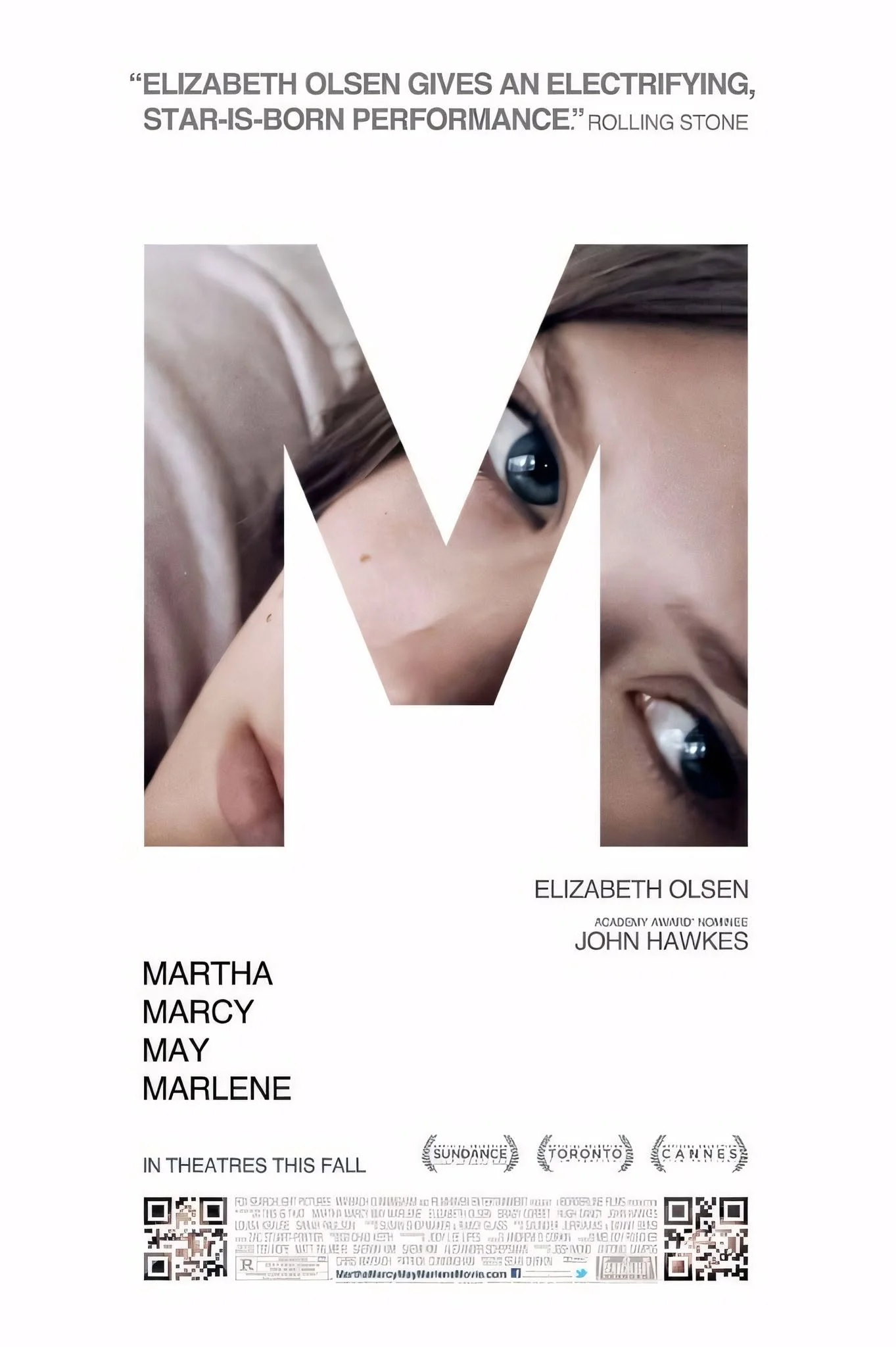
Analytická studie psychologického dramatu Seana Durkina zkoumající anatomii traumatu, ztrátu osobní identity a tekuté prolínání paměti s přítomností.
An analytical study of Sean Durkin's psychological drama exploring the anatomy of trauma, the erasure of personal identity, and the fluid collapse of memory and present reality.
Tato studie dekonstruuje psychologické drama Martha Marcy May Marlene (2011, stopáž 109 minut) jako klinicky přesnou anatomii traumatu a ztráty lidské identity. Snímek analyzuje stav mladé ženy (Elizabeth Olsen), která fyzicky uprchne z patriarchálního kultu do zdánlivého bezpečí luxusního sídla své sestry, ale zjišťuje, že její mysl zůstala uvězněna.
Metodologicky se text zaměřuje na zrušení hranic mezi minulostí a přítomností (kontinuální, neviditelný střih), destrukci osobního prostoru a jazyk jako nástroj kontroly. Film ukazuje stav absolutní oběti, u níž byl úspěšně dokončen proces rozkladu ega, takže samotná realita a blud se stávají zcela nerozlišitelnými.
I. Jméno jako nástroj vymazání a ztráta osy
Jádrem destrukce osobnosti v patriarchálním kultu je odejmutí původní identity. Charismatický vůdce Patrick (John Hawkes) hned v úvodu přejmenuje Marthu na „Marcy May“. Tento zdánlivě banální, téměř laskavý akt je ve skutečnosti absolutním uplatněním moci – Patrick tím přebírá vlastnické právo nad její existencí a vymazává její předchozí vazby na svět.
Když se později Martha (Elizabeth Olsen) vrací do civilizace ke své sestře, její vnitřní osa je natolik roztříštěná, že nedokáže odpovědět na základní otázku, kým vlastně je. Názvy v titulu filmu (Martha, Marcy May, Marlene) nejsou jen pouhá jména, ale oddělené psychologické fragmenty jedné roztříštěné bytosti, které spolu již nedokážou koexistovat v jednom čase a prostoru.
II. Architektura traumatu a tekutý čas
Nejradikálnějším formálním prvkem filmu je práce se střihem (Zac Stuart-Pontier). Režisér Sean Durkin zcela odmítá tradiční filmové konvence pro vizualizaci flashbacků (jako je změna barevného filtru nebo zvukové zhoupnutí).
Přechody mezi idylickým, ale dusivým prostředím jezerního sídla její sestry a temnými vzpomínkami na farmu kultu jsou naprosto plynulé, často spojené pouhým kinetickým pohybem těla, pohledem nebo ozvěnou zvuku. Tento „tekutý čas“ dokonale simuluje stav posttraumatické stresové poruchy. Oběť neprožívá vzpomínku jako něco, co se stalo, ale jako něco, co se neustále děje. Bezpečí (civilizační horizontála) neexistuje, protože trauma (podvědomá vertikála) neustále prosakuje na povrch a pohlcuje přítomnost.
III. Tělo jako veřejný prostor a sociální paralýza
Kult funguje na principu absolutní ztráty soukromí a tělesné autonomie. Těla žen patří komunitě a vůdci (znásilnění je rituálně vysvětlováno jako akt „očištění“). Když se Martha ocitne v luxusním domě své sestry, aplikuje tyto destruktivní vzorce chování z kultu na prostředí vyšší střední třídy – nerespektuje zavřené dveře do ložnice, koupe se nahá na veřejnosti, vnímá cizí majetek a prostor jako automaticky sdílený.
Tyto momenty nejsou divákovi předkládány jako komické kulturní nedorozumění, ale jako hluboce znepokojivý důkaz jejího přeprogramování. Film brilantně ukazuje, že jakmile je člověk zredukován na pouhý nástroj komunity, normální mezilidské hranice se stávají nepochopitelnými.
IV. Závěr: Otevřená rána a nekonečný útěk
Film graduje do bodu absolutní paranoie, kde se hroutí samotná struktura reality. Kdo je skutečný a kdo je jen projekcí Marthina zlomeného vědomí? Závěrečná scéna, kdy Martha odjíždí se svou sestrou autem a s hrůzou sleduje muže, který za nimi kráčí a následně nastupuje do vozu jedoucího za nimi, neposkytuje žádnou katarzi ani odpověď.
Náhlý střih do černé tmy uprostřed nejvyššího napětí je definitivním prohlášením: nezáleží na tom, zda ji kult skutečně sleduje, nebo zda jde o halucinaci vyvolanou traumatem. Výsledek je identický. Vězení už neleží na farmě kdesi v horách, vězení bylo natrvalo přesunuto do její vlastní mysli. Rozklad je nevratný.
Slovníček pojmů a bibliografie
- Vymazání ega (Odejmutí identity): Systematický proces nucené změny jména a přepsání osobních hodnot v uzavřené komunitě vedoucí k rozpadu autentičnosti jedince.
- Tekutý čas (Plynulý střih traumatu): Střihová technika spojující přítomnost s minulostí bez přechodových vizuálních či zvukových efektů, simulující symptomy PTSD.
- Ztráta tělesné autonomie: Stav, kdy je tělo jedince vnímáno jako společný neboli komunitní majetek podřízený autoritě vůdce.
- Paranoia jako trvalý stav: Internalizace hrozby, při níž ztrácí význam hranice mezi reálným nebezpečím a psychotickou halucinací.
Bibliografie (Chicago Style):
- Cunneen, Joseph. „Escape from the Cult: Martha Marcy May Marlene.“ National Catholic Reporter 48, no. 5 (2011): 18–19.
- Durkin, Sean. Martha Marcy May Marlene: Original Screenplay. New York: Fox Searchlight Pictures, 2011.
- Lifton, Robert Jay. Thought Reform and the Psychology of Totalism: A Study of “Brainwashing” in China. Chapel Hill: University of North Carolina Press, 1989.
- Macnab, Geoffrey. „Martha Marcy May Marlene.“ Sight & Sound 22, no. 2 (2012): 70–71.
This study deconstructs the psychological drama Martha Marcy May Marlene (2011, running time 109 minutes) as a clinically precise anatomy of trauma and the loss of human identity. The film analyzes the state of a young woman (Elizabeth Olsen) who physically escapes a patriarchal cult into the apparent safety of her sister’s luxury lake house, only to discover that her mind remains imprisoned.
Methodologically, the text focuses on the erasure of boundaries between past and present (continuous, invisible editing), the destruction of personal space, and language as a tool of control. The film illustrates the state of an absolute victim in whom the process of ego decomposition has been successfully completed, rendering reality and delusion entirely indistinguishable.
I. The Name as a Tool of Erasure and the Loss of the Axis
The core of personality destruction within the patriarchal cult is the stripping of original identity. The charismatic leader, Patrick (John Hawkes), renames Martha to “Marcy May” early on. This seemingly banal, almost kind act is, in reality, the absolute exercise of power—Patrick thereby assumes ownership over her existence and erases her previous ties to the world.
When Martha (Elizabeth Olsen) later returns to civilization and her sister, her internal axis is so shattered that she cannot answer the fundamental question of who she actually is. The names in the film’s title (Martha, Marcy May, Marlene) are not mere names, but separated psychological fragments of a single shattered being, no longer able to coexist in one time and space.
II. The Architecture of Trauma and Fluid Time
The most radical formal element of the film is its editing (Zac Stuart-Pontier). Director Sean Durkin completely rejects traditional cinematic conventions for visualizing flashbacks (such as color filter changes or audio cues).
The transitions between the idyllic yet suffocating environment of her sister’s lake house and the dark memories of the cult’s farm are entirely seamless, often linked by a mere kinetic movement of the body, a glance, or the echo of a sound. This “fluid time” perfectly simulates the state of post-traumatic stress disorder. The victim does not experience the memory as something that happened, but as something that is constantly happening. Safety (the civilizational horizontal) does not exist because trauma (the subconscious vertical) constantly seeps to the surface and consumes the present.
III. The Body as Public Space and Social Paralysis
The cult operates on the principle of the absolute loss of privacy and bodily autonomy. Women’s bodies belong to the community and the leader (rape is ritually explained as an act of “cleansing”). When Martha finds herself in her sister’s luxurious home, she applies these destructive behavioral patterns from the cult to the upper-middle-class environment—she disrespects closed bedroom doors, swims naked in public, and views others’ property and space as automatically shared.
These moments are not presented to the viewer as comic cultural misunderstandings, but as deeply disturbing proof of her reprogramming. The film brilliantly demonstrates that once a person is reduced to a mere tool of a community, normal interpersonal boundaries become incomprehensible.
IV. Conclusion: The Open Wound and the Endless Flight
The film escalates to a point of absolute paranoia where the very fabric of reality collapses. Who is real, and who is merely a projection of Martha’s broken consciousness? The final scene, where Martha is driving away with her sister and watches in terror as a man walks behind them and then gets into the car following them, provides no catharsis or answers.
The sudden cut to black in the midst of peak tension is a definitive statement: it does not matter whether the cult is actually following her or if it is a trauma-induced hallucination. The outcome is identical. The prison no longer lies on a farm somewhere in the mountains; the prison has been permanently relocated into her own mind. The disintegration is irreversible.
Glossary and Bibliography
- Ego Erasure (Stripping of Identity): A systematic process of forced renaming and values rewriting in a closed cult environment leading to the collapse of authentic selfhood.
- Fluid Time (Seamless Editing): An editing technique linking present and past without transitional visual or audio cues, simulating PTSD symptoms.
- Loss of Bodily Autonomy: A condition where the individual’s body is perceived as communal property subjected to the leader’s authority.
- Paranoia as a Permanent State: The internalization of threat where the boundary between objective danger and psychotic hallucination ceases to exist.
Bibliography (Chicago Style):
- Cunneen, Joseph. “Escape from the Cult: Martha Marcy May Marlene.” National Catholic Reporter 48, no. 5 (2011): 18–19.
- Durkin, Sean. Martha Marcy May Marlene: Original Screenplay. New York: Fox Searchlight Pictures, 2011.
- Lifton, Robert Jay. Thought Reform and the Psychology of Totalism: A Study of “Brainwashing” in China. Chapel Hill: University of North Carolina Press, 1989.
- Macnab, Geoffrey. “Martha Marcy May Marlene.” Sight & Sound 22, no. 2 (2012): 70–71.