Mučedníci (2008): Anatomie bolesti a metafyzika utrpení
Martyrs (2008): The Anatomy of Pain and the Metaphysics of Suffering
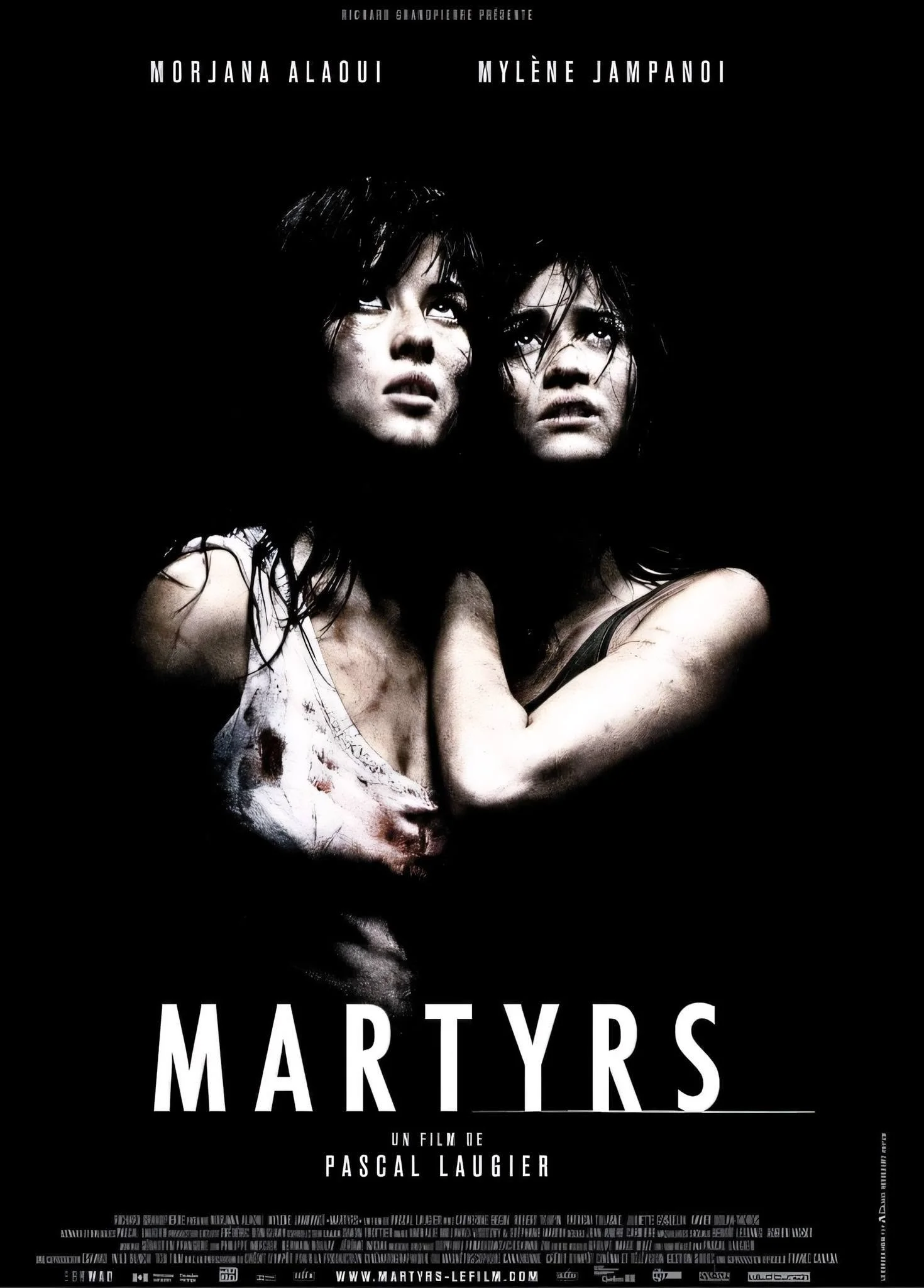
Analytická studie stěžejního díla francouzského extremismu Pascala Laugiera zkoumající transformaci oběti v mučedníka, tělesnou negaci a metafyziku utrpení.
An analytical study of Pascal Laugier's New French Extremity masterpiece exploring the transformation from victim to martyr, body negation, and the metaphysics of suffering.
Tato studie dekonstruuje stěžejní dílo „nového francouzského extremismu“, film Martyrs (2008, stopáž 99 minut), jako radikální filozofický traktát o hledání transcendence skrze systematické mučení. Snímek analyzuje příběh Lucie a Anny, dvou mladých žen pronásledovaných tajemným společenstvím, které se snaží odhalit tajemství posmrtného života.
Metodologicky se text zaměřuje na transformaci subjektu z „oběti“ (která trpí bez smyslu) v „mučedníka“ (který skrze utrpení nahlíží „na druhou stranu“). Film ukazuje nejzazší bod tělesného hororu: moment, kdy se maso stává pouhou překážkou pro ducha a kdy je smrt chápána jako definitivní epistemologický nástroj.
I. Horizontála rituálu a sterilní zlo
První polovina filmu se tváří jako klasický příběh o pomstě (revenge movie). Lucie vyvraždí zdánlivě normální rodinu na předměstí, čímž se snaží potlačit traumata z dětství. Zlom však nastává v momentě, kdy na scénu nastupuje „Mademoiselle“ a její tajná organizace.
Jejich operační prostor – podzemní, betonový a klinicky čistý komplex pod luxusní vilou – představuje horizontálu rituálu. Zlo zde nemá podobu šíleného vraha, ale vysoce sofistikované, bohaté a chladné elity, která k mučení přistupuje jako k vědeckému experimentu. Jejich cílem není sadismus, ale poznání. Chtějí vytvořit mučedníka, bytost, která v agónii přestane vnímat bolest a spatří záblesk onoho světa.
II. Dialektika bolesti: Oběť vs. Mučedník
Laugierův film provádí brutální distinkci mezi dvěma stavy utrpení. Oběť je ten, kdo se pod tíhou bolesti hroutí, upadá do šílenství a jehož utrpení je pro vesmír bezvýznamné. Mučedník (z řeckého martys – svědek) je však bytost, která agónii transcenduje.
Druhá polovina filmu, zaměřená na metodické týrání Anny (Morjana Alaoui), je zobrazením totální dekonstrukce lidské bytosti. Anna je zbavena sociálních vazeb, oděvu i důstojnosti, dokud nezůstane jen surové, trpící vědomí. Je to zvrácená variace na velikonoční pašije, kde je cesta na kříž nahrazena systematickým stahováním z kůže (flaying).
III. Estetika vyprázdnění a somatický teror
Vizuální styl filmu se v průběhu stopáže mění z dynamické, krvavé akce do statického, vyčerpávajícího minimalismu. Detailní záběry na Anninu tvář v posledních fázích její transformace evokují klasické náboženské ikony trpících světců.
Film útočí na diváka nikoliv skrze lekačky, ale skrze neúprosnou délku a repetitivnost scén utrpení. Divák je nucen spolu s Annou procházet procesem vyčerpání, dokud se emocionální reakce neotupí a nezůstane jen tupá, fyzická tíha. Tento přístup mění horor v hlubokou meditaci o limitách lidské existence a křehkosti tělesné schránky.
IV. Závěr: Co viděly jejích oči?
Finále filmu představuje absolutní vrchol metafyzického teroru. Anna, stažená z kůže, se dostává do stavu extáze a před svou smrtí pošeptá Mademoiselle to, co spatřila „na druhé straně“. Reakce Mademoiselle – okamžitá sebevražda bez jediného slova – je definitivním popřením jakékoliv naděje.
Snímek končí v naprostém tichu a prázdnotě. Pokud je poznání vykoupeno takovou mírou utrpení, je toto poznání pro živé nesnesitelné. Martyrs tak uzavírá velikonoční téma umučení bez příslibu vzkříšení; zůstává jen němé svědectví o hrůze, která čeká za hranicí vnímání.
Slovníček pojmů a bibliografie
- Horizontála rituálu: Klinicky čistej, byrokraticky organizovaný prostor podzemního komplexu, kde je násilí zbaveno hněvu a provozováno jako chladný experiment.
- Dialektika utrpení: Rozlišení mezi zbytečným utrpením oběti (podlehnutí bolesti) a systematickou transcendencí mučedníka (nahlédnutí za hranici vědomí).
- Somatický teror: Využití fyzické devastace těla a dlouhých, neměnných záběrů k vyvolání pocitu přímé tělesné a psychické vyčerpanosti u diváka.
- Epistemologický nástroj: Nástroj či metoda poznání; v kontextu filmu chápání fyzické smrti a agónie jako jediné cesty k odhalení metafyzické pravdy.
Bibliografie (Chicago Style):
- Downing, Lisa. „The Aesthetics of Pathological Narcissism in New French Extremity.“ French Cultural Studies 22, no. 1 (2011): 53–63.
- Laugier, Pascal. Martyrs (Interview and Commentary). Directed by Pascal Laugier. London: StudioCanal, 2009. DVD.
- Quandt, James. „Flesh & Blood: Sex and Violence in Recent French Cinema.“ Artforum 42, no. 6 (2004).
- West, Alexandra. Films of the New French Extremity: Visceral Horror and National Identity. Jefferson: McFarland & Company, 2016.
This study deconstructs the cornerstone of “New French Extremity,” Martyrs (2008, running time 99 minutes), as a radical philosophical treatise on the search for transcendence through systematic torture. The film follows the story of Lucie and Anna, two young women pursued by a mysterious society attempting to uncover the secret of the afterlife.
Methodologically, the text focuses on the transformation of the subject from a “victim” (who suffers without meaning) into a “martyr” (who glimpses “the other side” through suffering). The film illustrates the ultimate point of body horror: the moment when flesh becomes a mere obstacle for the spirit and when death is understood as a definitive epistemological tool.
I. The Horizontal of Ritual and Sterile Evil
The first half of the film disguises itself as a classic revenge movie. Lucie massacres a seemingly normal suburban family to suppress childhood traumas. However, the turning point comes when “Mademoiselle” and her secret organization enter the scene.
Their operating space—a subterranean, concrete, and clinically clean complex beneath a luxury villa—represents the horizontal of ritual. Evil here does not take the form of a mad killer but a highly sophisticated, wealthy, and cold elite that approaches torture as a scientific experiment. Their goal is not sadism, but knowledge. They seek to create a martyr, a being who, in agony, ceases to feel pain and glimpses the world beyond.
II. The Dialectic of Pain: Victim vs. Martyr
Laugier’s film makes a brutal distinction between two states of suffering. A victim is one who collapses under the weight of pain, falls into madness, and whose suffering is meaningless to the universe. A martyr (from the Greek martys – witness), however, is a being who transcends agony.
The second half of the film, focused on the methodical torture of Anna (Morjana Alaoui), is a depiction of the total deconstruction of a human being. Anna is stripped of social ties, clothing, and dignity until only raw, suffering consciousness remains. It is a perverted variation of the Easter Passion, where the road to the cross is replaced by systematic flaying.
III. The Aesthetics of Emptying and Somatic Terror
The film’s visual style shifts from dynamic, bloody action to static, exhausting minimalism. Close-ups of Anna’s face in the final stages of her transformation evoke classical religious icons of suffering saints.
The film assaults the viewer not through jump scares but through the relentless length and repetitiveness of the scenes of suffering. The viewer is forced to undergo the process of exhaustion alongside Anna until emotional reactions are blunted, leaving only a dull, physical weight. This approach turns horror into a profound meditation on the limits of human existence and the fragility of the physical vessel.
IV. Conclusion: What Did Her Eyes See?
The film’s finale represents the absolute peak of metaphysical terror. Anna, flayed alive, enters a state of ecstasy and whispers to Mademoiselle what she saw on “the other side” before her death. Mademoiselle’s reaction—immediate suicide without a single word—is the definitive negation of any hope.
The film ends in absolute silence and emptiness. If knowledge is redeemed by such a degree of suffering, this knowledge is unbearable for the living. Martyrs thus concludes the Easter theme of martyrdom without the promise of resurrection; there remains only a silent witness to the horror that awaits beyond the veil of perception.
Glossary and Bibliography
- Horizontal of Ritual: The clinically clean, bureaucratically organized subterranean space where violence is stripped of rage and conducted as a cold experiment.
- Dialectic of Suffering: The distinction between the meaningless suffering of a victim (succumbing to pain) and the systematic transcendence of a martyr (peering beyond consciousness).
- Somatic Terror: The use of bodily devastation and static, extended takes to induce physical and emotional exhaustion in the audience.
- Epistemological Tool: A method or mechanism of knowledge; in the context of the film, understanding physical death and agony as the sole path to unlocking metaphysical truth.
Bibliography (Chicago Style):
- Downing, Lisa. “The Aesthetics of Pathological Narcissism in New French Extremity.” French Cultural Studies 22, no. 1 (2011): 53–63.
- Laugier, Pascal. Martyrs (Interview and Commentary). Directed by Pascal Laugier. London: StudioCanal, 2009. DVD.
- Quandt, James. “Flesh & Blood: Sex and Violence in Recent French Cinema.” Artforum 42, no. 6 (2004).
- West, Alexandra. Films of the New French Extremity: Visceral Horror and National Identity. Jefferson: McFarland & Company, 2016.