Kabaret (Cabaret, 1972): Anatomie vědomé komplicity a rozpad morálky
Cabaret (1972): The Anatomy of Conscious Complicity and Compartmentalization in a Defective Community
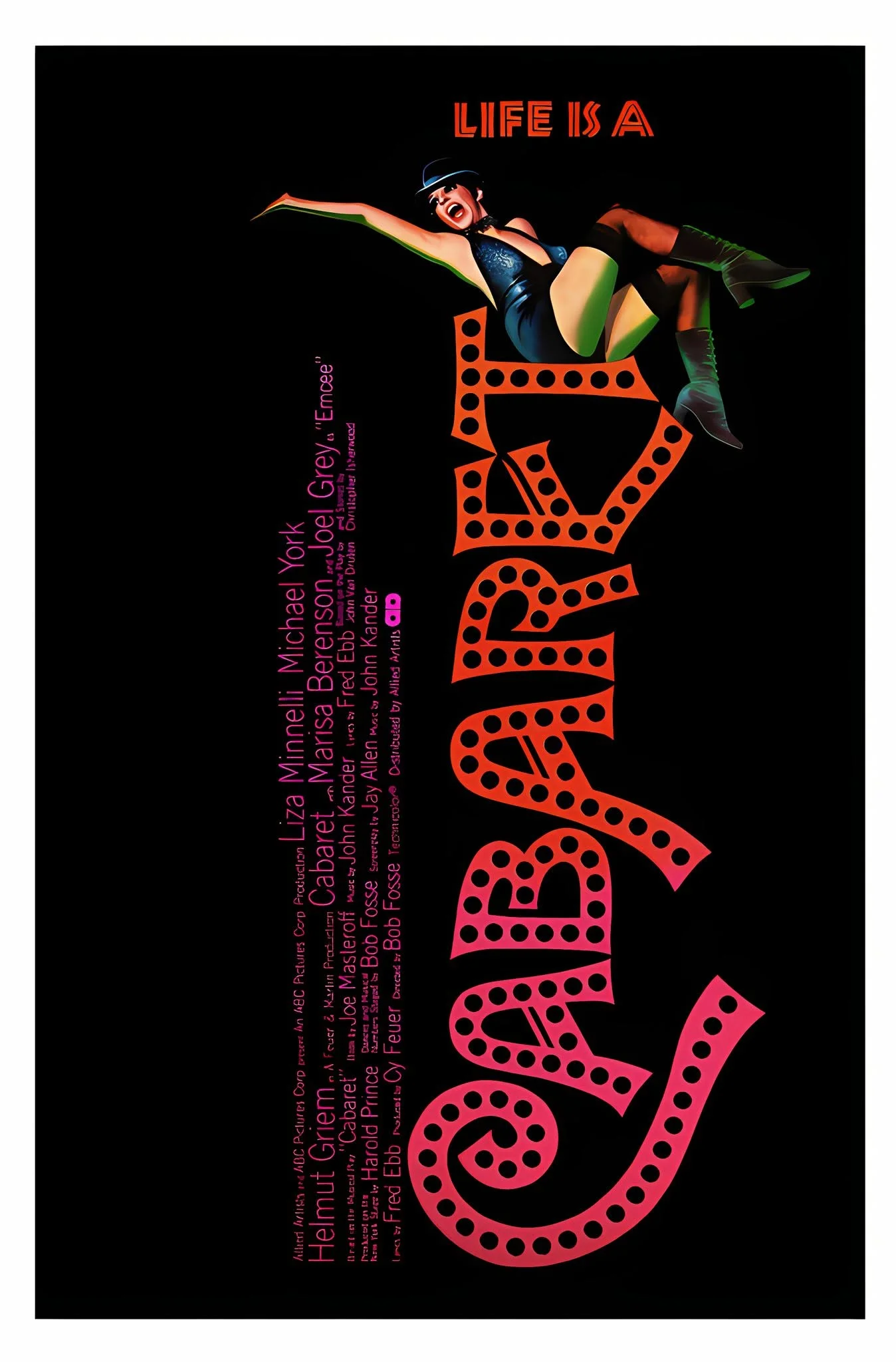
Analytická studie oscarového muzikálu Boba Fosseho zkoumající mechanismy vědomé komplicity, kompartmentalizaci a plíživou fašizaci společnosti v zrcadle berlínského Kit Kat Klubu.
An analytical study examines the Oscar-winning film Cabaret as a model of conscious complicity, co-opted authorities, and systemic enablers in the Kit Kat Klub.
Snímek Boba Fosseho Kabaret (Cabaret, 1972, stopáž 124 minut), volně vycházející z broadwayského muzikálu a próz Christophera Isherwooda, představuje jeden z nejpronikavějších rozborů společenského konformismu a mechanismů plíživé fašizace v dějinách filmu. Fosse radikálně rekonfiguroval tradiční hollywoodský muzikál: veškerá hudební a taneční čísla vyjmul z reality všedního dne a situoval je výhradně na jeviště dekadentního berlínského Kit Kat Klubu na počátku třicátých let.
Tato studie dekonstruuje film jako model tzv. vědomé komplicity – chování umělců a společenských elit, kteří tváří v tvář nastupující totalitě volí cynický odstup, profesionální slepotu a psychologickou kompartmentalizaci výměnou za zachování vlastního zisku, slávy a iluze bezpečí.
I. Kit Kat Klub jako mikrokosmos a maskovací síť totality
Fosse využívá kabaretní prostor jako zmenšený model rozpadající se Výmarské republiky:
- Úniková zóna dekadence: Vítejte v Kit Kat Klubu, kde „život je krásný a dívky i chlapci jsou překrásní“. Klub funguje jako hermetická bublina izolovaná od pouličních bitek, hospodářské krize a politického násilí. Zábava zde neslouží k povznesení ducha, nýbrž jako sedativum tlumící pud sebezáchovy.
- Paralelní montáž jako obžaloba: Fosse a střihač David Bretherton využívají agresivní paralelní montáž. Nevinná kabaretní čísla (např. stepařský výstup) jsou prostříhávána s reálným brutálním lynčováním odpůrců nacisty na ulici. Rytmus tance se prolíná s údery obušků, čímž film jasně deklaruje, že zábavní průmysl netvoří neutrální prostor, nýbrž slouží jako kouřová clona zakrývající příchod diktatury.
II. Archetypy komplicity: Kabaretiér a Sally Bowles
Jednání postav reprezentuje konkrétní psychologické strategie úniku před morální odpovědností:
- Kabaretiér (Cynický detachement): Postava bezejmenného konferenciéra (Joel Grey, oceněný Oscarem) ztělesňuje systémového prostředníka. Sám nacistickou ideologií opovrhuje a otevřeně ji na pódiu paroduje (satirická píseň s gorilou „If You Could See Her“). Přesto však s bílým líčidlem a úlisným úsměvem vítá v publiku hnědé košile, dokud platí za lístky. Jeho cynický odstup mu umožňuje oddělit osobní etiku od své role baviče. Diktatura potřebuje klauny, aby zkáza vypadala jako pestrý večírek.
- Sally Bowles (Kompartmentalizace a profesionální slepota): Americká zpěvačka Sally (Liza Minnelli) aplikuje radikální kompartmentalizaci reality. Její mantrou je víra, že politika se umění netýká. Odmítá vnímat antisemitismus i vraždy kolem sebe, protože by to ohrozilo její jedinou životní ambici – stát se slavnou filmovou hvězdou. Svým talentem a charismatem legitimizuje toxický prostor, z něhož profituje.
III. Psychologie alibismu a píseň na venkově
Klíčový moment prolomení kabaretní iluze se odehrává mimo zdi klubu v idylické zahradní restauraci:
- Tomorrow Belongs to Me: Pohledný plavovlasý chlapec začne zpívat pastorální lidovou píseň o kráse německé přírody. Kamera postupně sjíždí dolů a odhaluje na jeho paži pásku s hákovým křížem. Během několika vteřin se k němu s nadšením přidávají obyčejní občané – staří lidé, ženy i děti.
- Kolektivní infekce: Scéna mrazivě ilustruje, jak snadno romantický sentiment a národní idealismus sklouzávají k fašismu. Jediným, kdo v restauraci odmítne vstát a se znechucením odchází, je starý muž, zosobňující vymírající generaci demokratického rozumu.
IV. Závěr: Zkreslené zrcadlo a pád opony
Závěrečný záběr filmu patří k nejpůsobivějším tečkám filmové historie:
- Konec večírku: Kabaretiér odříkává své loučení („Auf Wiedersehen, à bientôt…“), buben zlověstně zaduní a kamera pomalu najíždí na zkreslující křivé zrcadlo lemující stěnu klubu.
- Odraz publika: V zrcadle se již neodrážejí usměvavé tváře kosmopolitních bohémů, ale mlčící řady nacistických funkcionářů v uniformách s hákovými kříži. Kabaret tímto gestem definitivně demaskuje podstatu vědomé komplicity: umělci a intelektuálové, kteří se domnívali, že mohou hrát pro kohokoliv bez ztráty integrity, se probouzejí do světa, v němž se sami stali vězni publika, kterému tak ochotně tleskali.
Slovníček pojmů a bibliografie
- Vědomá komplicita: Situace, kdy jedinci z řad kulturních, vědeckých či hospodářských elit spolupracují s represivním systémem nikoliv z fanatismu, nýbrž z pragmatického kalkulu a touhy po udržení vlastního komfortu.
- Kompartmentalizace: Psychologický obranný mechanismus spočívající v izolaci vzájemně si odporujících myšlenek či hodnot do oddělených mentálních přihrádek (např. separace umělecké tvorby od politické reality).
- Systémový enabler (Umožňovatel): Aktér, jehož pasivita, konformismus či bagatelizace nebezpečí poskytují autoritářskému hnutí legitimitu a prostor pro expanzi.
Bibliografie (Chicago Style):
- Arendt, Hannah. Eichmann v Jeruzalémě: Zpráva o banalitě zla. Praha: Mladá fronta, 1995.
- Bandura, Albert. Moral Disengagement: How People Do Harm and Live with Themselves. New York: Worth Publishers, 2015.
- Gottfried, Martin. All His Jazz: The Life and Death of Bob Fosse. New York: Bantam Books, 1990.
- Isherwood, Christopher. The Berlin Stories. New York: New Directions, 1945.
The present study analyzes the Oscar-winning film Cabaret as the definitive model of conscious complicity within a closed community. The environment of the Berlin „Kit Kat Klub“ in the early 1930s serves as a case study of a toxic micro-system gradually taken over by an extremist ideology. The analysis focuses not on the architects of evil, but on the performers and artists (represented by the Master of Ceremonies and Sally Bowles). These actors represent the archetypes of „co-opted authority“ and „systemic enablers.“ The study deconstructs their psychological defense mechanisms (compartmentalization, cynical detachment), which allow them to perform and profit from a community whose toxicity and moral decay they are fully aware of.
I. Author’s Intent: Entertainment as the Camouflage of Totalitarianism
The film uses the format of a musical to create a sharp contrast between decadent entertainment and the creeping rise of Nazism.
- Artistic Vision: Bob Fosse’s intent was to show that dictatorship and manipulation do not triumph solely through brute force, but primarily through the indifference and pragmatism of those whose job is to entertain the audience. The Kit Kat Klub is an isolated bubble, an escape zone („Life is beautiful here“).
- Demonstration of Complicity: The creator shows that the performers in the club did not create fascism, nor do they initially believe in it. However, when they see that the club owners and the new audience (the brownshirts) demand this direction, they adapt their art to the demand. It is not about ideological conviction, but pure calculation—keeping their place on the stage at any cost.
II. Analytical Interpretation: Archetypes of Complicity on Stage
When applying the concepts from previous analyses to the film’s characters, we obtain a perfect profile of „pragmatic beneficiaries“ who regularly return to a toxic environment.
- The Master of Ceremonies (Pragmatic Beneficiary / Cynical Detachment): The mysterious MC (Joel Grey) is the ultimate embodiment of the systemic enabler. He is the performer who guides the audience through the club. He despises the ideology himself, occasionally even covertly parodying it, but ultimately puts on a smile and takes the toxic audience’s money. His cynical detachment allows him to disconnect his morality from his profession. He is living proof that a dictator needs a clown to make a slaughterhouse look like a party.
- Sally Bowles (Co-opted Authority / Professional Blindness): The singer Sally represents the artist who applies rigid compartmentalization. Her mantra is that politics and backstage manipulation have nothing to do with art. She refuses to see the violence outside the club’s doors because it threatens her single ambition—to become famous. The club’s gatekeeper lets her sing, and with her aura of a talented star, she legitimizes his toxic enterprise.
III. The Psychology of the Actor: The Anatomy of Alibi-ism
Why do artists and performers return to obvious traps and manipulative communities?
- Rejection of Cognitive Dissonance: These individuals are not necessarily evil. However, they face cognitive dissonance: „I am a good artist, but I perform for bad people.“ For the brain to resolve this conflict without damaging the ego, it creates an illusion of neutrality: „Music unites; I play for everyone.“ This alibi is a cognitive shield that allows them to collect profits without guilt.
- The Currency of Subcultural Capital: An artist who has built status in a specific club or scene suffers from an extreme Sunk Cost Fallacy. Leaving a toxic but packed club means starting from zero. Pragmatism (the need for applause and livelihood) steamrolls personal integrity.
IV. Applied Practice: Defense Against „Clowns“ in Zone Zero
A subject operating in Zone Zero must be able to immediately identify these actors and neutralize their influence on their own decision-making.
- Demystification of the Artist (The Fall of the Idol): The subject stops judging an artist or influencer by their talent, but exclusively by the context to which this talent is lent. If an angelic voice sings in a toxic, cult-like club, the angelic voice becomes merely a marketing tool for the manipulator.
- Immunity to „Club Legitimacy“: The manipulator (Gatekeeper) uses familiar faces to build trust among new victims. The subject in Zone Zero realizes the equation: The presence of a co-opted authority does not prove the safety of the environment; it merely proves that the manipulator has enough resources to pay for a good camouflage net.
- Boycotting the Enablers (The Starvation Tactic): Resistance to a defective community means not only ignoring the main leader, but above all, depriving his pragmatic beneficiaries of attention. If the audience stops attending the concerts of artists who legitimize a toxic environment, these artists (whose sole motivation is profit and applause) will immediately switch sides. An enabler has no loyalty to an ideology; they have loyalty only to a full house.
V. Conclusion: The Curtain Falls
The film Cabaret brilliantly demonstrates that the greatest threat to a community’s integrity is not just the fanatics, but those who open the doors for the fanatics, play music for them to dance to, and pour their drinks with the excuse that „it’s just business.“ Artists, performers, and local celebrities who turn a blind eye to manipulation in exchange for their moment of fame form the very immune system of every dictatorship and every defective micro-system. To the citizen in Zone Zero, these individuals are transparent—they are not rebels, they are not independent creators; they are merely employees of an illusion who cease to exist the moment the audience stops clapping.
Glossary of Technical Terms:
- Co-opted Authority (Kooptovaná autorita): An artist, expert, or recognized personality whose prestige, name, and talent are exploited by a system or manipulator to legitimize an unethical or toxic environment.
- Pragmatic Beneficiary (Pragmatický beneficiant): A person fully aware of the toxicity or falsehood of a system, but who consciously decides to operate within it to extract personal gain (money, fame, status).
- Compartmentalization (Kompartmentalizace): A subconscious psychological defense mechanism wherein an individual separates conflicting thoughts, values, or feelings into isolated mental „compartments“ to avoid cognitive dissonance (e.g., separating morality from work).
- Systemic Enabler (Umožňovatel): An individual whose inaction, professional blindness, or silent cooperation provides a manipulative system with the logistical or social infrastructure necessary for survival.
Bibliography:
- Arendt, Hannah: Eichmann in Jerusalem: A Report on the Banality of Evil. Viking Press, 1963.
- Festinger, Leon: A Theory of Cognitive Dissonance. Stanford University Press, 1957.
- Bandura, Albert: Moral Disengagement: How People Do Harm and Live with Themselves. Worth Publishers, 2015.