Blade Runner (1982): Oči v neonovém soumraku a architektura umělé paměti
Eyes in the Neon Dusk: Blade Runner and the Architecture of Artificial Memory
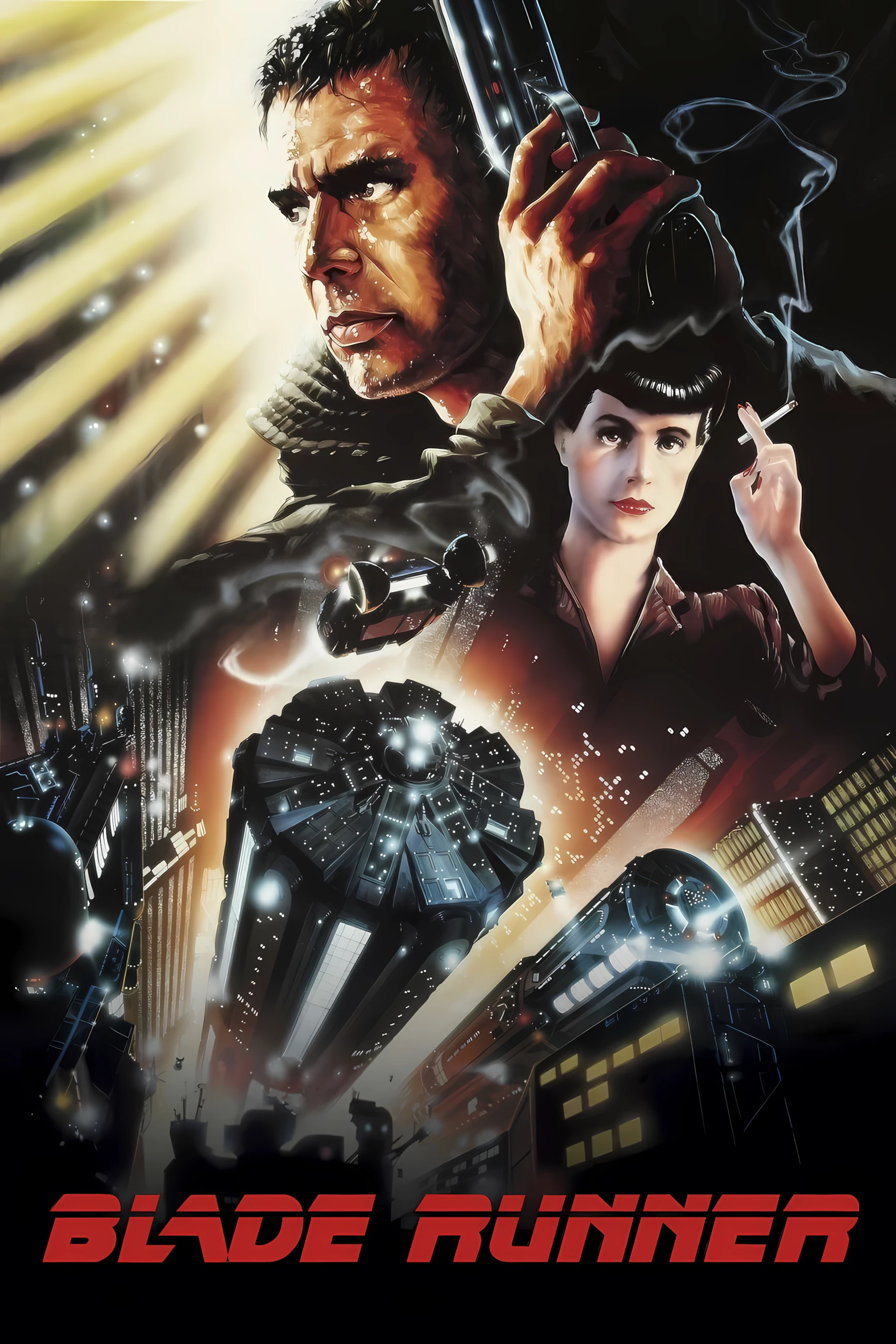
Filozofická studie kultovního sci-fi Ridleyho Scotta zkoumající vizuální chiaroscuro, retro-futurismus, Voight-Kampffův test a architekturu implantované paměti.
A philosophical analysis of Ridley Scott's 1982 sci-fi masterpiece. How visual chiaroscuro, retro-futurism, and memory motifs define the boundary between human and machine.
Když v roce 1982 vstoupil Blade Runner Ridleyho Scotta do kin, nepřinesl jen adaptaci románu Philipa K. Dicka Sní androidi o elektrických ovcích?. Přinesl nový vizuální a myšlenkový kánon. Scott stvořil dystopické Los Angeles roku 2019 nikoliv jako sterilní vizi budoucnosti, ale jako vrstvené palimpsestové město – svět, kde se hypermoderní korporátní pyramidy pnou nad chátrajícími industriálními strukturami a kde neustálý déšť smývá hranice mezi organickým a syntetickým.
Blade Runner funguje jako temná komora pro uvažování o tom, co přesně definuje lidství ve světě, který dokáže lidskou bytost průmyslově vyrobit a replikovat.
I. Architektura úpadku: Retro-futurismus a neonové chiaroscuro
Vizuální jazyk filmu, vytvořený kameramanem Jordanem Cronenwethem a konceptuálním designérem Sydem Meadem, vychází z estetiky klasického filmu noir 40. let a německého expresionismu:
- Entropie prostoru: Město je zalito permanentním šerem, prořezávaným kužely pátracích reflektorů, gigantickými neonovými reklamami na off-world kolonie a stíny horizontálních žaluzií. Retro-futurismus zde není pouhou kulisou, ale filozofickým vyjádřením materiální a morální entropie.
- Paradox dokonalosti: Vše v tomto světě stárne a podléhá rozpadu – s výjimkou replikantů generace Nexus-6, kteří jsou dokonalejší, silnější a inteligentnější než jejich lidští stvořitelé, avšak fatálně limitovaní čtyřletou životností.
II. Voight-Kampffův test a paradox empatie
Centrální diagnostickou metodou pro identifikaci replikantů je Voight-Kampffův test. Přístroj měří autonomní fyziologické reakce na emocionálně vyostřené otázky, zejména kapilární dilataci a změny zornic. Měřítkem člověka zde není intelekt ani biologická stavba, nýbrž kapacita k empatii:
- Emoční vyhoření lidstva: Skuteční lidé jako Rick Deckard (Harrison Ford) nebo industriální magnát Eldon Tyrell působí citově vyprahle, cynicky a mechanicky. Deckard vykonává práci likvidátora bez zápalu, jako unavený byrokratický nástroj aparátu.
- Syntetická touha po životě: Replikanti Roy Batty, Rachael či Pris naopak vykazují primordiální touhu po existenci, hlubokých vztazích a zachování vlastní paměti.
III. Řetězec lidské identity a implantovaná paměť
Motiv oka prostupuje celým filmem. Narativ otevírá obří detail lidské sítnice, v níž se zrcadlí infernální krajina hořících věží. Na tento prvek navazuje kauzální řetězec: oko → fotografie → paměť → identita:
- Výroba zraku: Roy Batty navštíví genetika Chewa, který konstruuje oči pro replikanty, a pronáší: „Kdybys jen mohl vidět to, co jsem tvýma očima viděl já.“
- Ambivalence odlesku: Charakteristický světelný odlesk v očích postav (vytvořený optickým polopropustným zrcadlem) propůjčuje syntetickým bytostem živočišně mechanický rys. Jeho přítomnost v Deckardově pohledu tvoří klíčovou indicii jeho vlastní umělé podstaty.
- Falešná kotva reality: Fotografie slouží replikantům jako hmatatelný důkaz minulosti. Když Deckard odhalí Rachael, že její rodinné vzpomínky jsou cizí implantáty z Tyrellovy neteře, její identita se zhroutí. Fotografie neuchovává realitu, nýbrž konstruuje iluzorní kontinuitu já.
IV. Závěr: Slzy v dešti, transcendence a věčná pochybnost
Vyvrcholení na střeše Bradbury Building přináší etické vykoupení. Umírající Roy Batty (Rutger Hauer) zachraňuje Deckarda před pádem. Syntetický voják, stvořený pro boj a zabíjení, provádí v posledním okamžiku svobodný etický akt – projev čisté, nezištné empatie.
Jeho slavný monolog („I’ve seen things you people wouldn’t believe…“) a vypuštění bílé holubice završují proces sebepřekonání. Roy Batty nepřemohl smrt fyzicky, ale transcendoval ji vědomým přijetím konce. Motiv papírového jednorožce zanechaného agentem Gaffem pak zpečeťuje závěrečnou pochybnost o Deckardově vlastní svobodě a paměti.
Slovníček pojmů a bibliografie
- Retro-futurismus: Estetický a architektonický koncept mísící technologie budoucnosti s historickými, vizuálně degradovanými strukturami minulosti.
- Voight-Kampffův test: Fiktivní diagnostický nástroj analyzující mimovolné somatické reakce na podněty vyžadující morální soud a empatii.
- Implantovaná paměť: Synteticky vštěpované vzpomínky sloužící k vytvoření falešného pocitu biografické kontinuity u umělých organismů.
- Palimpsestové město: Vrstvený urbánní prostor, v němž nová technokratická zástavba organicky i mechanicky parazituje na chátrající zástavbě starého světa.
Bibliografie (Chicago Style):
- Bukatman, Scott. Blade Runner (BFI Modern Classics). London: British Film Institute, 1997.
- Dick, Philip K. Do Androids Dream of Electric Sheep?. New York: Doubleday, 1968.
- Sammon, Paul M. Future Noir: The Making of Blade Runner. New York: HarperPrism, 1996.
When Ridley Scott’s Blade Runner arrived in theaters in 1982, it did not merely adapt Philip K. Dick’s novel Do Androids Dream of Electric Sheep?. It introduced a new visual and conceptual canon. Scott envisioned the dystopian Los Angeles of 2019 not as a sterile future, but as a layered palimpsest—a world where hyper-modern corporate pyramids loom over decaying urban structures, and perpetual rain blurs the boundary between the organic and the synthetic.
Blade Runner operates as a dark room for contemplating what precisely constitutes humanity in a world capable of industrially replicating humanity itself.
The Architecture of Decay: Retro-Futurism and Neon Chiaroscuro
The film’s visual language, crafted by cinematographer Jordan Cronenweth and conceptual designer Syd Mead, draws heavily from 1940s film noir and German Expressionism. The city is cloaked in perpetual gloom, pierced by searchlight beams, neon advertisements for off-world colonies, and the geometric shadows of Venetian blinds.
This retro-futurism is more than set design; it is a philosophical statement on entropy. Everything in this world ages, decays, and gathers grime—with the sole exception of the Nexus-6 Replicants. Superior in strength and intelligence to their creators, they are nevertheless condemned to a four-year lifespan.
The Voight-Kampff Test and the Paradox of Empathy
The primary method for identifying Replicants is the Voight-Kampff test. The apparatus monitors physiological responses to emotionally provocative questions, specifically capillary dilation and changes in pupil size. Here, the benchmark of humanity is neither intellect nor physical makeup, but empathy.
Therein lies the core paradox of the narrative:
- Humans like Rick Deckard or Eldon Tyrell appear emotionally drained, cold, and mechanical. Deckard carries out his work of “retiring” Replicants without passion, like a burned-out system process.
- Replicants like Roy Batty, Rachael, or Pris exhibit an intense, almost primordial hunger for life, emotional connection, and self-preservation.
From Visual Perception to Memory: The Chain of Human Identity
The eye motif serves as the central spine of the narrative. The film opens on a close-up of a human iris reflecting the infernal industrial landscape of Los Angeles. From this visual element, a complete chain unfolds: eye → photograph → memory → identity.
- Manufacturing Vision: Roy Batty visits Chew, the genetic engineer responsible for crafting Replicant eyes, stating: “If only you could see what I’ve seen with your eyes.”
- Ambivalence of the Eye Glow: A specific reflective glow in characters’ eyes, created using a beam-splitter optical system, lends their gaze an unnatural, almost mechanical character. However, this effect is not exclusive to Replicants—its presence in Deckard supports one of the film’s central ambivalences.
- Destruction of the Creator: Roy Batty slays Eldon Tyrell by gouging out his eyes and crushing his skull—a radical act destroying the father’s gaze that condemned him to an early death.
Photographs and the Illusion of Implanted Memory
While the eye receives images, photographs serve as a physical anchor for Replicants. Rachael keeps a photograph of herself as a child with her supposed mother—a tangible piece of evidence for a past she believes is truly hers.
When Deckard reveals that her memories belong to Tyrell’s niece and were artificially implanted in her mind, her sense of self collapses. In Blade Runner, photographs do not record objective truth; they act as artificial anchors for the soul. Scott poses a chilling question: If our memories, preferences, and emotions are merely the result of neural programming or external inputs, how real is our own humanity?
Tears in Rain: Transcendence and Redemption Through Mortality
The film’s climax atop the decaying Bradbury Building stands among the most iconic sequences in cinema history. Wounded and dying, Roy Batty saves Deckard from falling to his death. A Replicant, manufactured as a weapon and a slave, performs a free ethical choice in his final moments—an act of pure empathy.
A story that began with the cold, observant gaze of an eye overlooking a burning city culminates in the consciousness of a dying being. Rutger Hauer’s iconic monologue (“I’ve seen things you people wouldn’t believe…”), culminating in the release of a white dove into the dark sky, completes the chain of perception. Batty does not conquer death physically, but transcends it by accepting his mortality and preserving the memory of his personal experience.
The Unicorn and the Eternal Doubt
A defining dimension of the film (specifically in the Director’s Cut and Final Cut) is the unicorn motif. Deckard’s dream of a unicorn, linked to the silver foil origami left behind by the enigmatic Agent Gaff, strongly implies that Deckard’s most intimate thoughts may themselves be an implanted memory.
Blade Runner leaves the viewer with no easy resolution. Instead, it offers an enduring meditation on the fragility of existence, the power of memory, and the aesthetic of a world where the machine longs to be human, while humanity forgets how to be. EOF