Rituál (The Wicker Man, 1973): Slunce jako nástroj teroru a střet dogmat
The Wicker Man (1973): The Sun as an Instrument of Terror
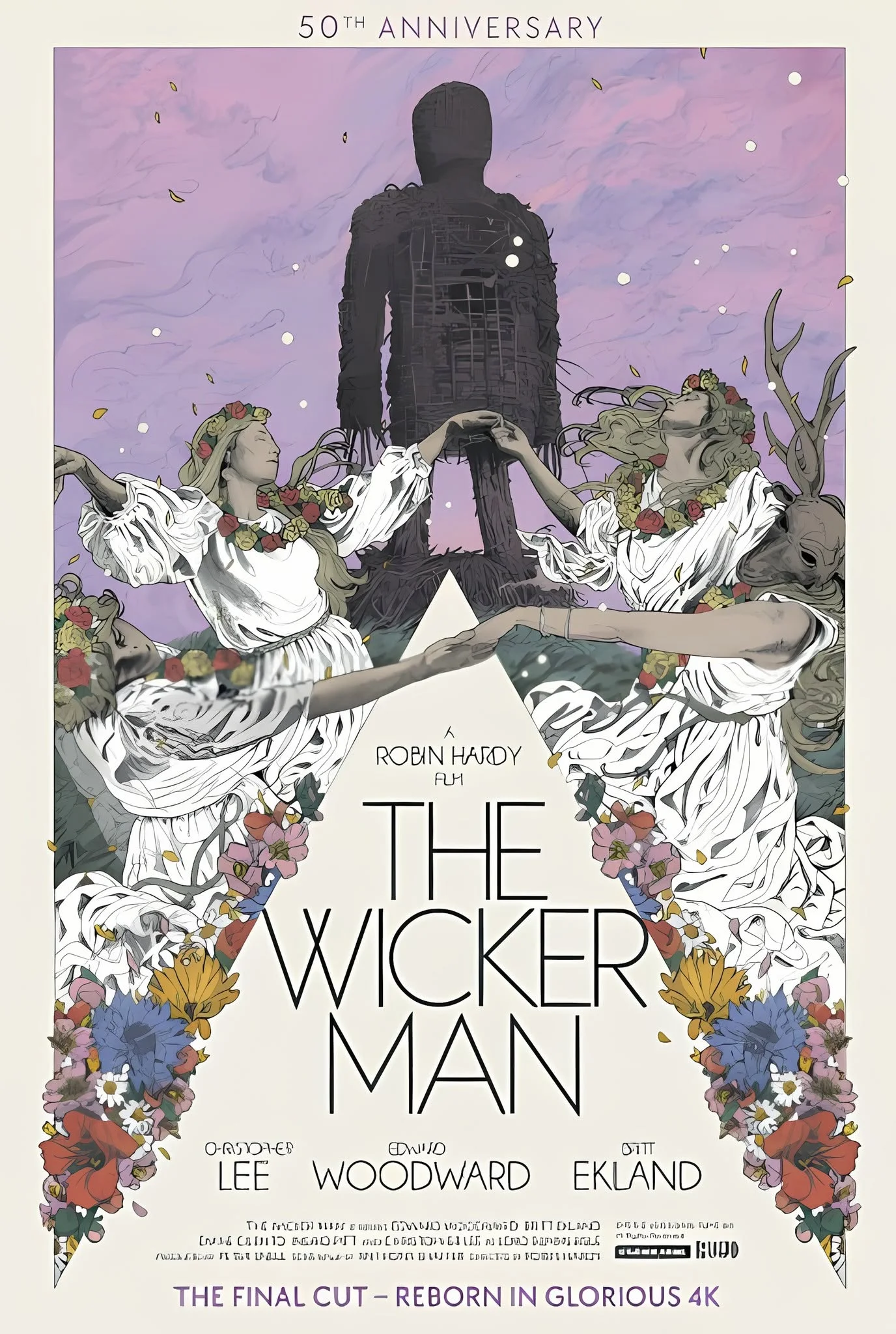
Analytická studie zakladatelského díla folk hororu zkoumající fenomén teroru za denního světla, diegetickou hudbu Paula Giovanniho a zhoubný střet křesťanské a pohanské vertikály.
An analytical study of the foundational folk horror film exploring daylight terror, isolation through diegetic folk music, and the fatal collision of irreconcilable dogmas.
Snímek Robina Hardyho Rituál (The Wicker Man, 1973, stopáž 88 minut), natočený podle scénáře Anthonyho Shaffera na motivy románu Davida Pinnera Ritual, představuje fundamentální základní kámen subžánru folk hororu a jeden z nejvýznamnějších britských filmů sedmdesátých let. Hardy a Shaffer radikálně odmítli gotické klišé nočních hradů, pavučin a netopýrů, jež v té době chrlila studia Hammer Film Productions.
Místo toho zasadili děj do oslnivého jarního slunce na izolovaném hebridském ostrově Summerisle a stvořili mrazivou anatomii střetu dvou nesmiřitelných dogmatických systémů: rigidního křesťanského autoritářství reprezentovaného puritánským policejním seržantem Howiem a archaického keltského polyteismu obnoveného ostrovní komunitou v čele s charismatickým Lordem Summerislem.
I. Daylight Horror a pastorální past ostrova Summerisle
Vizuální styl filmu představuje totální inverzi konvenčních postupů kinematografického děsu[cite: 126]:
- Hrůza v plném světle: Zlo v Rituálu neoperuje ve stínech ani v šeru; odehrává se za jasného, hřejivého slunečního svitu na rozkvetlých sadech, loukách a plážích[cite: 126]. Společenství na Summerisle nepředstavuje bandu temných satanistů; jsou to usměvaví, pracovití a radostní lidé oslavující plodnost, sexualitu a přírodní cykly[cite: 126].
- Klamná idyla: Tato prosluněná pastorální atmosféra funguje jako dokonalá psychologická past[cite: 126]. Seržant Neil Howie (Edward Woodward) i divák jsou dezorientováni zdánlivou vstřícností obyvatel, což jim brání včas rozpoznat chladnou a precizně zorganizovanou past, jež se kolem cizince stahuje od první minuty jeho příletu hydroplánem[cite: 126].
II. Zvuková krajina Paula Giovanniho a diegetická izolace
Hudební doprovod Paula Giovanniho a skupiny Magnet tvoří organickou páteř celého narativu[cite: 126]:
- Hudba jako rituální zbraň: Písně v Rituálu nejsou vnějším scénickým doprovodem; jsou diegetické – postavy je samy zpívají v hostinci U Zeleného muže (The Green Man), ve škole i při pouličních procesích[cite: 126]. Folkové balady vycházející z autentických textů Roberta Burnse a staroanglických nápěvů neslouží k lacinému strašení, nýbrž fungují jako zvuková manifestace kolektivní kmenové mysli ostrova[cite: 126].
- Akustická stěna: Pro seržanta Howieho představuje zpěv obyvatel neprostupnou zeď, z níž je systematicky vylučován[cite: 126]. Erotická píseň a tanec hostinské dcery Willow (Britt Eklandová) za tenkou stěnou jeho pokoje či dětský popěvek u májky (Maypole Song) demonstrují hluboký rozpor mezi křesťanským pocitem hříchu a pohanskou oslavou těla[cite: 126].
III. Střet vertikál: Puritánský kříž proti přírodnímu pragmatismu
Dramatickým motorem filmu není banální souboj dobra se zlem, nýbrž střet dvou absolutních ideologických konstrukcí[cite: 126]:
- Howieho komplex mučedníka: Seržant z pevniny reprezentuje státní zákon, policejní moc a represivní křesťanskou morálku[cite: 126]. Jeho arogance a neochvějné přesvědčení o vlastní civilizační nadřazenosti jej činí slepým[cite: 126]. Howie si neuvědomuje, že jeho pátrání po údajně zavražděné dívce Rowan Morrisonové bylo od počátku zinscenováno a že svou vytrvalostí sám kráčí vstříc vlastní záhubě[cite: 126].
- Lord Summerisle a ekonomie oběti: Lord Summerisle (životní role Christophera Leeho) nevystupuje jako primitivní pohan, nýbrž jako kultivovaný aristokrat a pragmatický vládce[cite: 126]. Odhaluje skutečnou motivaci kultu: loňská neúroda jablek hrozí ostrovu ekonomickým kolapsem. K usmíření božstev slunce a úrody (Nuada) nestačí běžná zvířecí oběť; je zapotřebí člověka, který splňuje přísná kritéria – musí přijít z vlastní vůle, mít moc krále (představitel zákona), být pannou a věřit v posmrtný život. Howie do této role dokonale a dobrovolně vpadne[cite: 126].
IV. Závěr: Hořící proutěný gigant a hluchota nebes
Závěrečná sekvence obětování na mořském útesu představuje jeden z nejmocnějších a nejvíce zneklidňujících obrazů světové kinematografie[cite: 126]:
- Sumer Is Icumen In: Obyvatelé ostrova v maskách zvířat uzavřou Howieho do nitra obří proutěné sochy (The Wicker Man) spolu se zvířaty a zapálí ji[cite: 126]. Za zvuků radostného sborového zpěvu středověké jarní písně Sumer Is Icumen In hledí vstříc zapadajícímu slunci v upřímné víře, že jejich čin zajistí přežití komunity[cite: 126].
- Dvě modlitby bez odpovědi: Howie v plamenech zoufale zpívá Žalm 23 a vyhrožuje vesničanům, že pokud úroda selže i příští rok, obětují samotného Lorda Summerisla[cite: 126]. Film končí pádem hořící hlavy proutěného obra, odhalující klesající rudé slunce. Rituál zanechává diváka v bodě absolutní ontologické úzkosti: demonstruje, že ty nejhrůznější činy v dějinách nepáchají monstra, nýbrž společenství hluboce přesvědčená o posvátnosti a morální nezbytnosti svého konání[cite: 126].
Slovníček pojmů a bibliografie
- Folk horor: Subžánr hororu situovaný do rurálního a izolovaného prostředí, v němž konflikt vychází z přežívajících pohanských kultů, archaických rituálů a střetu s moderní městskou racionalitou[cite: 126].
- Horor za denního světla (Daylight Folk Horror): Vizuální metoda pracující s motivem teroru za jasného denního svitu v rozkvetlé přírodě, rozbíjející tradiční klišé nočního strašení[cite: 126].
- Proutěný muž (Wicker Man): Obří figurína z proutí popsaná Juliem Caesarem v Zápiscích o válce galské, užívaná keltskými druidy k lidským obětem zápalnou formou.
Bibliografie (Chicago Style):
- Brown, Allan. Inside The Wicker Man: How Not to Make a Cult Classic. Edinburgh: Polygon, 2000[cite: 126].
- Hardy, Robin, dir. The Wicker Man (Motion Picture). London: British Lion Film Corporation, 1973.
- Scovell, Adam. Folk Horror: Hours Dreadful and Things Strange. Leighton Buzzard: Auteur Publishing, 2017[cite: 126].
- Shaffer, Anthony. The Wicker Man: Screenplay. London: British Lion, 1973.
This study deconstructs the foundational work of the folk horror subgenre, The Wicker Man (1973, running time 88 minutes), as a radical polemic against the concept of civilizational superiority and religious dogma. The film analyzes a puritanical police sergeant’s search for a missing girl on the isolated island of Summerisle, where the inhabitants practice pre-Christian Celtic polytheism.
Methodologically, the text focuses on the phenomenon of “daylight horror,” the diegetic use of Paul Giovanni’s folk music, and the inevitable clash of two irreconcilable ideological verticals. The film demonstrates that the purest form of terror does not hide in the shadows, but arrives with a smile, a song on the lips, and in broad daylight.
I. The Horizontal of Daylight and the False Idyll
The visual identity of the film presents an absolute inversion of traditional horror rules. Director Robin Hardy and screenwriter Anthony Shaffer reject Gothic props (darkness, fog, crumbling castles). The evil in The Wicker Man operates on the sun-drenched horizontal of a blooming spring landscape.
The island of Summerisle appears as a pastoral utopia where inhabitants live in complete harmony with nature, celebrate sexuality, and view death as a natural part of the cycle. This visual and atmospheric idyll, however, is merely a perfect psychological trap. The viewer, like the protagonist, is blinded by the light and warmth of the community, preventing them from recognizing the cold and relentless logic of the approaching ritual.
II. The Soundscape as a Tool of Isolation
The music of Paul Giovanni is not mere background in this film; it is a weapon. The songs are an organic part of the plot (diegetic music)—characters sing them in the pub, on the village green, and during rituals. Instead of inducing cheap jump scares, the music serves to deepen the isolation of Sergeant Howie (Edward Woodward).
Every choral song of the villagers forms an invisible, impenetrable wall that ostracizes the outsider. The music functions here as the sonic manifestation of the island’s collective mind, against which the rationality of the individual stands no chance. The children singing about the Maypole or the seductive song of Willow (Britt Ekland) blur the lines between innocence and perversion.
III. The Clash of Verticals: The Cross vs. Nature
The narrative core of the film is not a battle between good and evil, but the deadly collision of two absolute dogmas. Sergeant Howie represents the rigid Christian vertical and state authority. His pride and unwavering belief in his own moral and civilizational superiority blind him.
On the other side stands Lord Summerisle (Christopher Lee), an aristocratic intellectual who pragmatically uses paganism to maintain social harmony and the economic prosperity of the island (the apple harvest). Howie’s downfall does not lie in moral corruption, but in the fact that his Christian martyr and savior complex fits perfectly into the role the pagans have prepared for him within their sacrificial ritual.
IV. Conclusion: The Burning Wicker Man and the Deafness of Heaven
The final sequence inside the gigantic wicker statue is one of the most terrifying yet beautiful images in world cinema. Hardy shows the triumph of absolute fanaticism on both sides.
While the islanders joyfully and with sincere faith sing the Middle English spring song Sumer Is Icumen In, the dying Howie desperately recites Psalm 23 into the flames and prays to Christ. Neither dogma yields. There is no “evil” antagonist here, only two groups of people doing what they believe to be absolutely right. The Wicker Man leaves the viewer at a point of absolute ontological horror—with the realization that humanity’s most horrific acts are often committed with complete conviction of their necessity and sanctity.
Glossary and Bibliography
- Daylight Terror: A subgeneric convention shifting the locus of dread from dark Gothic environments to a sun-drenched, seemingly idyllic rural landscape.
- Diegetic Isolation through Music: The strategic deployment of traditional folk songs sung by on-screen characters to build a sound barrier defining collective identity.
- Clash of Ideological Verticals: An irreconcilable conflict between two absolute dogmas where pride and moral superiority guarantee a tragic sacrifice.
- Ontological Horror: A profound existential dread arising from the realization that humanity’s worst atrocities are often committed with sincere holy conviction.
Bibliography (Chicago Style):
- Bartholomew, David. “The Wicker Man.” Cinefantastique 6, no. 3 (1977): 12–23.
- Brown, Allan. Inside The Wicker Man: How Not to Make a Cult Classic. Edinburgh: Polygon, 2000.
- Scovell, Adam. Folk Horror: Hours Dreadful and Things Strange. Columbia: Auteur Publishing, 2017.
- Woodward, Edward. That’s the Way I See It. London: Hodder & Stoughton, 1989.