Televizní síť (Network, 1976): Fenomenologie komodifikace hněvu a korporátní cynismus
Network (1976): The Phenomenology of the Commodification of Anger and the Illusion of Control
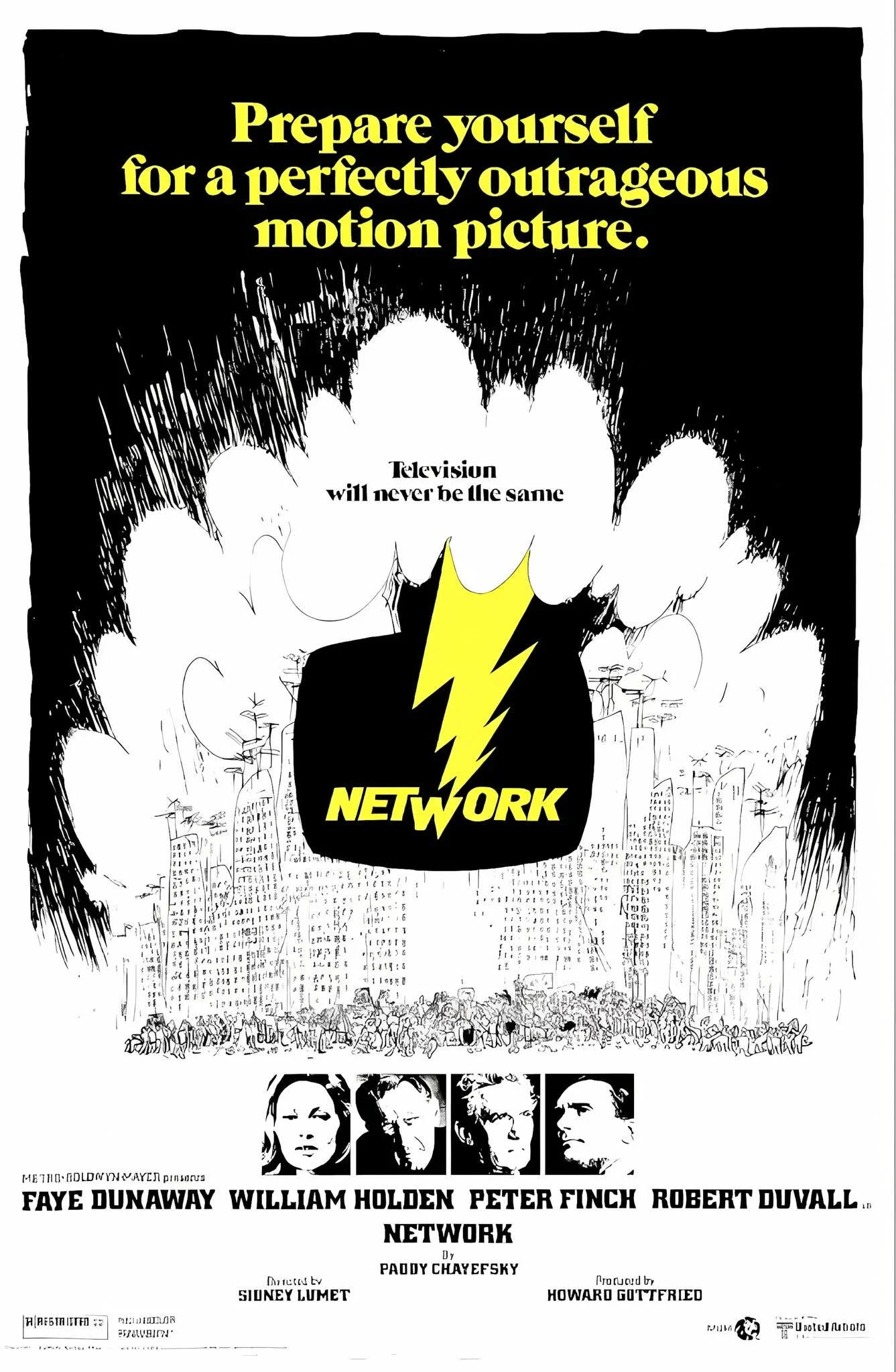
Analytická studie mediální satiry Sidneyho Lumeta a scenáristy Paddyho Chayefského zkoumající monetizaci hněvu, dekonstrukci žurnalistiky, ratingovou hysterii a korporátní kosmologii.
An analytical study deconstructing the media satire Network as a reference model of the commodification of anger, algorithmic frustration, and defense in Zone Zero.
Přelomová mediální satira režiséra Sidneyho Lumeta a scenáristy Paddyho Chayefského Televizní síť (Network, 1976, stopáž 121 minut), oceněná čtyřmi Oscary, představuje jedno z nejproročtějších děl v dějinách americké kinematografie. Film, vytvořený v éře vrcholícího vlivu televizních korporací, nepředstavuje pouhou zveličenou frašku z televizního zákulisí.
Je to chirurgicky přesný teoretický model komodifikace lidského hněvu, dekonstrukce novinářské etiky a podřízení veškerých společenských hodnot diktátu sledovanosti a korporátního kapitálu. Lumet a Chayefsky geniálně předpověděli zrod moderních televizních a digitálních formátů – od reality show přes senzacechtivé zpravodajství až po algoritmickou monetizaci frustrace na moderních sociálních sítích.
I. Howard Beale a zrod televizního proroka hněvu
Výchozí zápletka filmu demaskuje zánik tradiční žurnalistické odpovědnosti ve prospěch zábavního průmyslu[cite: 113]:
- Zhroucení v přímém přenosu: Stárnoucí televizní moderátor večerních zpráv fiktivní sítě UBS Howard Beale (Peter Finch, oceněný Oscarem in memoriam) se po oznámení své výpovědi kvůli klesajícím ratingům v živém vysílání zhroutí a oznámí, že se příští týden před kamerami zastřelí[cite: 113].
- Monetizace šílenství: Místo aby vedení televize duševně nemocného muže stáhlo z obrazovky a poskytlo mu lékařskou péči, dravá programová ředitelka Diana Christensenová (Faye Dunawayová) v jeho hysterii rozpozná obrovský komerční potenciál[cite: 113]. Zpravodajství UBS je okamžitě převedeno pod zábavní divizi. Beale je ponechán ve vysílání v roli „šíleného proroka obrazovky“, v níž v noční košili a promoklém plášti chrlí apokalyptická kázání proti moderní společnosti, inflaci a politickému marasmu[cite: 113].
II. „Jsem naštvaný k nepříčetnosti!“ aneb Iluze občanské kontroly
Klíčová scéna filmu, v níž Beale vyzve miliony televizních diváků, aby vstali ze židlí, otevřeli okna a křičeli do deště: „Jsem naštvaný k nepříčetnosti a už to dál nebudu snášet!“ („I’m as mad as hell, and I’m not going to take this anymore!“), ilustruje kognitivní mechanismus falešného uvolnění společenského tlaku[cite: 113]:
- Iluze vlivu (Illusion of Control): Miliony občanů v amerických městech křičí z oken a podléhají iluzi, že tímto gestem vyjadřují svou svobodu a odpor vůči systému[cite: 113]. Reálný efekt je však zcela opačný: občané nezměnili nic na své politické ani ekonomické situaci; pouze zvýšili sledovanost televizní sítě UBS na historické maximum[cite: 113].
- Systémový ventil: Korporace dokázala lidský hněv, zoufalství a bezmoc zabalit jako atraktivní televizní formát, prodat jej inzerentům a proměnit protest v multimilionový zisk[cite: 113]. Film tím demonstruje, že kapitalistický systém nepotřebuje disent potlačovat cenzurou – mnohem výhodnější je udělat z něj komerční cirkus[cite: 113].
III. Diana Christensenová a vulgarizace reality na formát
Postava Diany Christensenové ztělesňuje nástup nové, technokratické a emočně zcela vyprázdněné generace mediálních manažerů[cite: 113]:
- Televizní vnímání světa: Diana nepřemýšlí v kategoriích pravdy, dobra či soucitu; její mozek vnímá realitu výhradně skrze televizní žánry, křivky sledovanosti a demografické cílové skupiny[cite: 113]. I svůj milostný poměr se šéfem zpravodajství Maxem Schumacherem (William Holden) prožívá jako televizní scénář – mluví o ratingech i během orgasmu[cite: 113].
- Mao-Tse-tungova hodinka: Vrcholným projevem Dianina cynismu je angažování skutečné marxistické teroristické skupiny (inspirované Symbionese Liberation Army), která televizi prodává autentické videozáznamy ze svých bankovních loupeží a únosů pro týdenní televizní pořad[cite: 113]. Radikální revoluční ideologie se před očima diváků rozplývá v komerčních sporech o podíly z vysílacích práv v syndikaci[cite: 113].
IV. Kázání Arthura Jensena: Globální korporátní kosmologie
Nejvýznamnější filozofický moment filmu přichází ve chvíli, kdy Beale ve vysílání zmaří fúzi UBS se saúdskoarabským kapitálem a je předvolán před generálního ředitele konglomerátu CCA Arthura Jensena (Ned Beatty)[cite: 113]:
- Smrt národních států: V monumentální scéně v temné zasedací síni Jensen přednáší Bealeovi své slavné korporátní evangelium[cite: 113]. Vysvětluje mu naivitu konceptu suverénních národů a demokracie: „Neexistují žádné národy. Neexistují žádné národnosti. Neexistují žádní Rusové. Neexistují žádní Arabové… Existuje pouze jediný holistický systém systémů, jedna obrovská, provázaná, propletená, mnohonárodnostní dominance dolarů.“
- Nový řád: Svět není řízen politiky, ale mezinárodními korporacemi (IBM, ITT, Exxon). Beale toto zjevení přijímá a začíná v televizi kázat o zániku individuality ve prospěch korporátní integrity, což však diváky nudí a ratingy se propadají[cite: 113].
V. Závěr: Vražda v přímém přenosu a vypnutí obrazovky
Finální řešení ratingové krize stvrzuje totální dehumanizaci mediálního aparátu[cite: 113]:
- Atentát pro sledovanost: Protože Bealeovy deprimující monology o korporátním nihilismu srážejí sledovanost a management jej kvůli smlouvě nemůže propustit, vedení televize rozhodne o jeho fyzické likvidaci[cite: 113]. Na pokyn Diany a ředitelů je Beale během živého vysílání před zraky studiového publika zastřelen najatými teroristy[cite: 113].
- První zabitý člověk pro ratingy: Film končí chladným hlasem komentátora shrnujícím, že Howard Beale byl prvním člověkem v historii, který byl zavražděn proto, že měl špatnou sledovanost[cite: 113]. Kamera se vzdaluje a na čtyřech televizních obrazovkách se okamžitě rozbíhají reklamy na automobily a prací prášky. Televizní síť zůstává nekompromisním mementem: připomíná, že jakmile společnost vymění kritické myšlení za konzumaci zprostředkovaného hněvu, stává se pouhým palivem v soukolí mediálního průmyslu[cite: 113].
Slovníček pojmů a bibliografie
- Komodifikace hněvu: Proces, při němž mediální a politické korporace přetvářejí autentický společenský hněv, frustraci a bezmoc v komerční produkt generující finanční zisk a sledovanost[cite: 113].
- Iluze kontroly (Illusion of Control): Psychologický fenomén popsaný Ellen Langerovou, při němž lidé přeceňují svůj reálný vliv na události (např. křik z okna), jež jsou ve skutečnosti řízeny vnějšími strukturami[cite: 113].
- Korporátní kosmologie: Světonázor demaskovaný Arthurem Jensenem, chápající svět nikoliv jako společenství demokratických států, nýbrž jako provázaný globální finanční a měnový tok nepodléhající voličské kontrole[cite: 113].
Bibliografie (Chicago Style):
- Chayefsky, Paddy. Network: A Screenplay. New York: Vintage Books, 1976.
- Itzkoff, David. Mad as Hell: The Making of Network and the Fateful Vision of the Angriest Man in Movies. New York: Henry Holt and Co., 2014.
- Langer, Ellen J. “The Illusion of Control.” Journal of Personality and Social Psychology 32, no. 2 (1975): 311–328[cite: 113].
- Lumet, Sidney, dir. Network (Motion Picture). Los Angeles: Metro-Goldwyn-Mayer / United Artists, 1976.
- Lumet, Sidney. Making Movies. New York: Vintage Books, 1995.
The present study deconstructs the media satire Network as a reference model for understanding the mechanisms by which media, political, and algorithmic marketing systematically generate societal frustration. The text strictly separates the original intent of the creators from the applied psychological interpretation of the digital age. The methodological framework integrates the concepts of the „illusion of control“ (E. Langer), „locus of control“ (J. Rotter), and „uncertainty intolerance.“ The final phase transforms this theoretical framework into applied practice, defining a model of informed adaptation through mirrored tactics (systemic attack vs. cognitive defense) for the individual facing permanent political anxiety.
I. Author’s Intent: Television as the Creator of Reality and Frustration
The film was conceptualized as a warning against the demise of objective journalism and its replacement by the hunt for ratings.
- Artistic Vision: The intent of the director (Lumet) and writer (Chayefsky) was to demonstrate that once news becomes a commercial product, it stops describing reality and begins to create it. The film shows that the most profitable commodity is not truth, but anger.
- The Catalyst of the Narrative: Anchorman Howard Beale suffers a nervous breakdown on live television and urges viewers to yell out their windows: „I’m as mad as hell, and I’m not going to take this anymore!“ Instead of being pulled from the screen, the corporation monetizes his anger. From the author’s perspective, this demonstrates that the system can absorb, package, and sell even the purest form of human despair.
II. Analytical Interpretation: From Broadcast to Algorithms
When applying the psychology of mass communication to the plot, the exact mechanism of frustration creation (E. Bernays, 1928), now amplified by digital architecture, is identified.
- The Factory of Dissatisfaction: The system depicted in the film does not satisfy the informational needs of the citizens; it systematically creates a feeling that citizens are lacking something. The news is designed to maximize internal anxiety.
- Updating the Paradigm (Bridging the gap): What the anchorman did in the film broadly to all viewers simultaneously is now done by social networks, tailor-made for each user. Anger is personalized using algorithms. The individual is not locked in their living room with a television, but in their own Echo Chamber, where they are constantly served content that activates their amygdala (fear and aggression).
III. The Context of Societal Anxiety: Uncertainty Intolerance and the Illusion of Power
The scene where millions of people yell from their windows illustrates the cognitive deficits associated with stress management.
- Uncertainty Intolerance: The fundamental engine of political anxiety. The human brain is biologically incapable of tolerating ambiguity; it reacts to it with stronger stress than to a clear threat. Authoritarian and populist leaders exploit this biological weakness by offering a false, absolute certainty („I will protect you, I know whose fault it is“).
- Illusion of Control: A concept (E. Langer, 1975) describing the tendency of people to believe they have power over situations they realistically cannot influence. Yelling out the window gives the citizens in the film a false sense of agency, even though realistically they only increase the television network’s profits. The system provided a vent that resolves nothing.
- Locus of Control: The population suffers from an extremely external „Locus of Control“ (J. Rotter, 1966)—the conviction that their lives are dictated by television and politicians. Frustration becomes chronic because objective control over one’s own fate is missing.
IV. Applied Practice: Mirrored Defense in Zone Zero (Informed Adaptation)
Based on cognitive findings, a model of diagnostics and subsequent treatment (informed adaptation) is defined. A precise cognitive defense is assigned to each systemic attack on the psyche.
- Systemic Attack: Generating paralysis from the unknown (Attack on the amygdala).
- Cognitive Defense (Predictive Coping): The subject does not choose the strategy of absolute escape (information avoidance), which only increases the stress of the unknown. They choose analytical immersion. By reading deep (even negative) analyses, they shift cognitive activity from the emotional amygdala to the rational prefrontal cortex. Understanding the situation eliminates panic over catastrophic scenarios and transforms it into a cold preparation for reality.
- Systemic Attack: Providing false catharsis and the illusion of control (Yelling out the window / Arguing on networks).
- Cognitive Defense (Shifting the Locus of Control): The subject learns to let go of control where they objectively do not have it (macro-politics, wars). They radically shift their energy exclusively into their Circle of Influence (finishable household projects, local solidarity, sports). By completing real tasks, the brain releases dopamine, restoring the lost feeling of baseline safety and competence.
- Systemic Attack: Algorithmic overload with commodified anger (Doomscrolling).
- Cognitive Defense (Information Asceticism and Selection): The subject identifies that a certain source (media, politician) is not broadcasting facts but selling frustration. They apply the grey rock method to digital content. They refuse emotional participation, delete algorithm-driven platforms, and choose highly profiled sources (e.g., specialized podcasts) that do not shock with news but coldly analyze it.
V. Conclusion: Turning Off the Receiver
The definitive deconstruction of the mechanisms described in the film Network proves that modern political anxiety is not a byproduct of the system, but its primary commodity. The system does not require a rational citizen, but a frustrated citizen terrified by uncertainty, who compulsively seeks salvation. Once the individual transitions to informed adaptation—that is, accepts the existence of uncertainty, accepts the limits of their control, and shifts their energy exclusively into the sphere of their own real influence—the media-political algorithm loses its power over them. The true victory over the illusion of control remains the cold-blooded turning off of the screen.
Glossary of Technical Terms:
- Uncertainty Intolerance: A cognitive tendency to perceive ambiguous or uncertain situations as highly threatening and stressful, regardless of the actual probability of a negative outcome.
- Illusion of Control: A psychological phenomenon (E. Langer) where people overestimate their ability to influence events over which they objectively have no power (e.g., getting angry at the television).
- Locus of Control: A concept (J. Rotter) expressing an individual’s belief regarding who or what controls their life. Internal (I control it) vs. External (the government, fate, or the system controls it).
- Predictive Coping: An adaptive psychological strategy consisting of obtaining analytical and realistic information about an impending threat to dampen panic.
- Doomscrolling: The compulsive and endless consumption of negative news on social networks, algorithmically encouraged to retain user attention.
- Echo Chamber: An algorithmically created digital environment in which a user is exposed only to information and opinions that confirm their preexisting (often negative or polarized) beliefs.
Bibliography:
- Bernays, Edward: Propaganda. Horace Liveright, 1928.
- Langer, Ellen J.: The Illusion of Control. Journal of Personality and Social Psychology, 1975.
- Rotter, Julian B.: Generalized Expectancies for Internal Versus External Control of Reinforcement. Psychological Monographs, 1966.
- Whalen, Paul J. et al.: Neuroscience research on the amygdala and uncertainty. Harvard Medical School.
- Dugas, Michel J. & Ladouceur, Robert: Targeting intolerance of uncertainty in two types of worry. Behavior Modification, 2000.