Tmavě červená (Profondo Rosso, 1975): Slepá skvrna vnímání a krvavý operní balet
The Blind Spot of Perception: A Bloody Grotesque and the Betrayal of Our Own Eyes in Argento's Deep Red (1975)
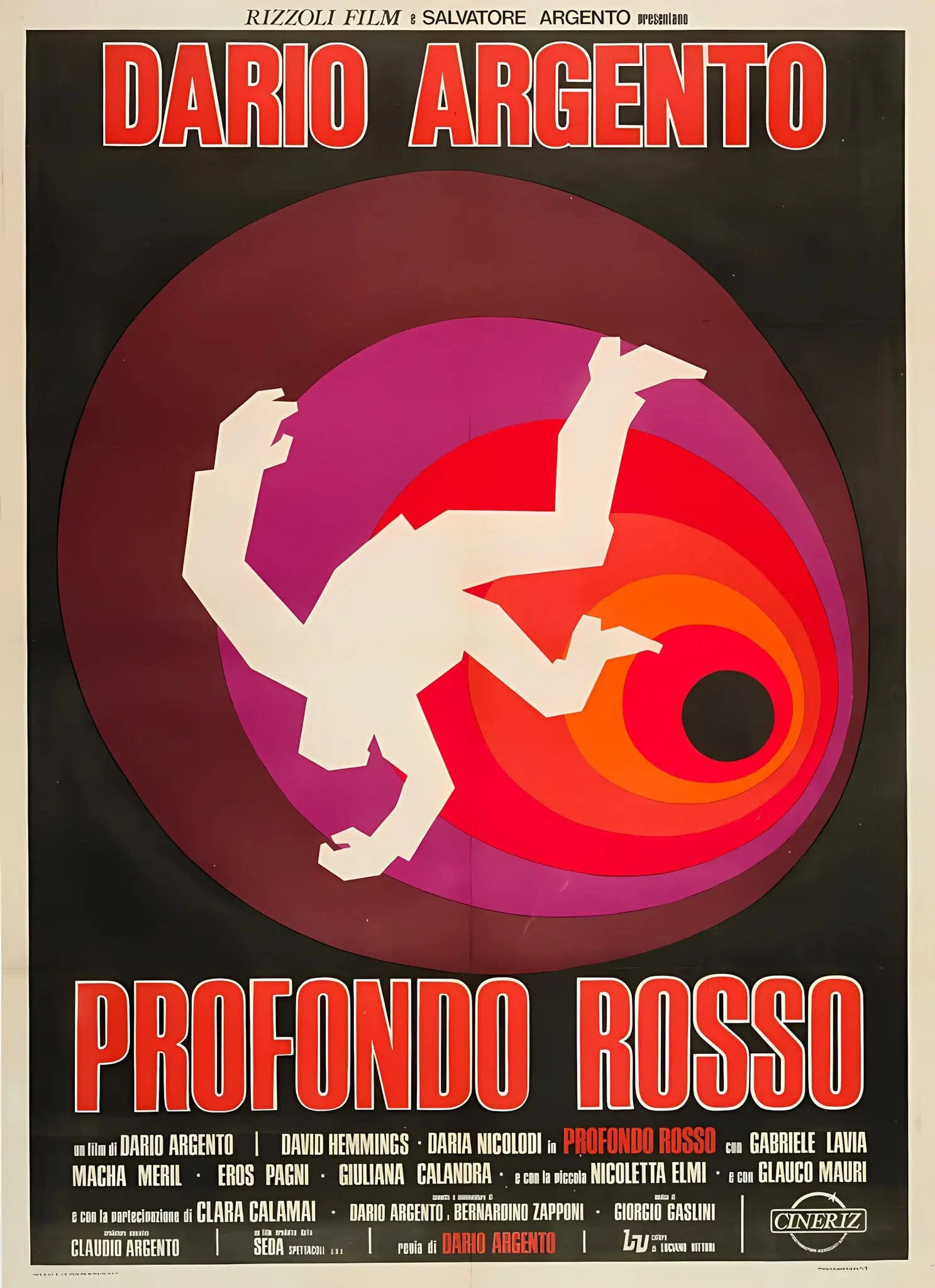
Analytická studie vrcholného gialla Daria Argenta zkoumající trik se zrcadlem, epistemologickou zradu zraku, hudbu skupiny Goblin a dětské trauma Vily křičícího dítěte.
Dario Argento didn’t just direct a run-of-the-mill whodunit in Deep Red (Profondo Rosso, 1975) where a jilted gardener turns out to be the killer in the final minute. He delivered a masterclass in how to perfectly…
Snímek Daria Argenta Tmavě červená (Profondo Rosso, v mezinárodní distribuci Deep Red, 1975, stopáž 127 minut) představuje absolutní tvůrčí a stylový zenit subžánru giallo. Argento v něm překračuje hranice běžné kriminální hádanky a přetváří vyšetřování série brutálních vražd v mistrovskou lekci z epistemologické zrady diváckého zraku[cite: 132]. Kde konvenční detektivka hledá logické stopy s lupou v ruce, tam Argento zhasíná světla, zaplavuje plátno sytou karmínovou barvou, nasazuje agresivní syntezátory skupiny Goblin a nechává diváka zírat přímo do tváře pachatele, aniž by si uvědomil, co ve skutečnosti vidí[cite: 132].
Tato studie dekonstruuje film jako brilantní esej o nespolehlivosti lidské percepce, dekonstrukci mužského racionalismu a materializaci zasutého dětského traumatu[cite: 132].
I. Zrada zrcadla aneb Když vědomí nestíhá zrakový vjem
Ústřední zápletka filmu je vystavěna na geniálním optickém a psychologickém klamu[cite: 132]:
- Fantom chybějícího obrazu: Britský jazzový klavírista Marcus Daly (David Hemmings) prochází bezprostředně po vraždě telepatky Helgy bytem oběti[cite: 132]. Mezi řadou bizarních portrétů na chodbě zahlédne cosi, co v něm zanechá neodbytný pocit: je skálopevně přesvědčen, že ze zdi zmizel jeden konkrétní obraz[cite: 132]. Tento vjem jej uvrhne do posedlého pátrání po „chybějícím portrétu“[cite: 132].
- Katarzní odhalení: V závěru se ukazuje, že ze zdi žádný obraz nezmizel[cite: 132]. To, co Marcus v šoku na zlomek vteřiny spatřil, bylo zrcadlo, v němž se odrážela tvář skutečné vražedkyně Marthy (Clara Calamaiová) stojící v temnotě za ním[cite: 132]. Zrakový orgán zaznamenal pravdu naprosto přesně, avšak vědomí zatížené pohledem na mrtvolu informaci vytěsnilo[cite: 132]. Argento tím formuluje klíčovou tezi: vidět a uvědomovat si viděné představuje dvě radikálně odlišné kognitivní operace[cite: 132].
II. David Hemmings a dekonstrukce arogance mužského rozumu
Obsazení Davida Hemmingse do role Marcuse představuje rafinovaný metafilmový komentář k Antonioniho kultovní Zvětšenině (Blow-Up, 1966)[cite: 132]:
- Od fotografa k hudebníkovi: V Antonioniho filmu Hemmings marně zvětšoval fotografii, aby našel objektivní důkaz vraždy[cite: 132]. V Profondo Rosso ztělesňuje aroganci karteziánského rozumu – intelektuála přesvědčeného, že svět lze rozluštit dedukcí a logikou[cite: 132].
- Emancipovaný kontrapunkt: Marcusovo amatérské vyšetřování je sérií fatálních omylů, jež nepřímo vedou k brutální smrti několika dalších svědků[cite: 132]. Jeho mužské ego je systematicky zesměšňováno v dialozích s novinářkou Giannou Brezziovou (Daria Nicolodiová), která nad ním vítězí v páce, řídí rozpadlé auto a reprezentuje moderní nezávislou ženu bourající patriarchální stereotypy[cite: 132].
III. Vila křičícího dítěte jako architektura vytěsněného traumatu
Pravda v Argentově světě neleží v policejních protokolech, nýbrž je fyzicky zazděna v architektuře[cite: 132]:
- Probourání do nevědomí: Pátrání po původu zlověstné dětské říkanky přivádí Marcuse do opuštěné modernistické vily (Villa Scott v Turíně)[cite: 132]. Zde s krumpáčem v ruce doslova provádí agresivní psychoanalýzu – odsekává omítku, aby odkryl zazděnou fresku zobrazující brutální vraždu a posléze i mumifikované tělo zavražděného otce[cite: 132].
- Dům jako psychická schránka: Zločin v přítomnosti je pouhou mechanickou ozvěnou potlačené rodinné tragédie z minulosti[cite: 132]. Vila křičícího dítěte funguje jako monumentální symbol lidského podvědomí plného pavučin a zasuté krve, v němž nebylo po celá desetiletí uklizeno[cite: 132].
IV. Goblin a vizuální mechanika operního násilí
Argento v Profondo Rosso definitivně opouští realistické pojetí násilí a povyšuje jej na výsostný choreografický rituál[cite: 132]:
- Fetišizace vražedných set-pieces: Kamera Luigiho Kuveillera klouže po lesklých čepelích sekáčků, vroucí vodě ve vaně, skleněných střepinách a rozbitých zubech o mramorový krb[cite: 132]. Vražda je traktována jako barokní představení, v němž má tělesná destrukce svou vlastní symetrickou geometrii[cite: 132].
- Akustický atak skupiny Goblin: Zásadním inovátorem atmosféry je italská progresivně-rocková formace Goblin ve spolupráci s Giorgiem Gaslinim[cite: 132]. Jejich agresivní basové linky, zkreslené varhany, syntetizátory a dětský naříkavý popěvek diváka neukolébávají; fyzicky útočí na jeho nervovou soustavu a generují permanentní somatickou úzkost[cite: 132].
V. Závěr: Pointa v kaluži krve a zánik iluze bezpečí
Závěrečný skon vražedkyně nepřináší žádné hrdinské rozhřešení justice[cite: 132]:
- Mechanická dekapitace: Martha umírá nehodou – její vlastní náhrdelník se zachytí v mříži jedoucího výtahu, což vede k jejímu chladnému uškrcení a dekapitaci[cite: 132].
- Odraz v krvi: V závěrečném záběru Marcus vyčerpaně zírá do kaluže temně rudé krve na podlaze a spatřuje v ní svůj vlastní pokřivený odraz[cite: 132]. Kruh se uzavírá: největší hrozbou nebyla vnější monstra, nýbrž klam lidského vnímání a neschopnost porozumět vlastním smyslům[cite: 132]. Sledovat Profondo Rosso znamená nechat se dobrovolně a poučeně konfrontovat s vlastní slepotou[cite: 132].
Slovníček pojmů a bibliografie
- Slepá skvrna percepce: Fenomén lidského vnímání, kdy oko fyzicky zaznamená obraz reality (vrah v zrcadle), avšak mozek jej v důsledku šoku či kognitivního přetížení odmítne zpracovat a vyhodnotit[cite: 132].
- Giallo opernost: Estetický koncept Daria Argenta traktující kriminální násilí jako vysoce stylizovaný, choreograficky vypjatý a vizuálně přehlcený rituál podkreslený agresivní hudbou[cite: 132].
- Dětské trauma jako spouštěč: Psychoanalytický motiv, v němž vytěsněný zážitek násilí z dětství determinuje celoživotní nutkavé vražedné jednání dospělého jedince[cite: 132].
Bibliografie (Chicago Style):
- Argento, Dario, dir. Profondo Rosso (Deep Red). Roma: Seda Spettacoli, 1975.
- Argento, Dario. Fear: The Autobiography of Dario Argento. Translated by Alberto Pezzotta. London: Fab Press, 2014.
- Gallant, Chris, ed. Art of Darkness: The Cinema of Dario Argento. Godalming: Fab Press, 2000.
- McDonagh, Maitland. Broken Mirrors, Broken Minds: The Dark Dreams of Dario Argento. Minneapolis: University of Minnesota Press, 2010.
Dario Argento didn’t just direct a run-of-the-mill whodunit in Deep Red (Profondo Rosso, 1975) where a jilted gardener turns out to be the killer in the final minute. He delivered a masterclass in how to perfectly betray the viewer’s own eyes. Where standard crime thrillers search for the culprit with a magnifying glass, Argento turns off the lights, blasts screaming synthesizers into your ears, and lets you stare directly at the killer without you having the faintest idea what you’re actually looking at. The film is a brilliant, slightly cynical joke at the expense of our own attention span—and it certainly doesn’t skimp on the blood.
1. The Betrayal of the Mirror: When the Brain Lags Behind
The central trick of the entire film could be taught in schools of illusion. Immediately after the murder, the protagonist, British pianist Marcus, walks through the victim’s apartment and becomes absolutely convinced that a specific painting is missing from a bizarre gallery of terrifying portraits on the wall. This “missing painting” possesses him and forces him to play amateur detective.
The final twist? No painting was missing. What Marcus (and the viewer along with him) saw for a split second was a mirror reflecting the face of the actual killer. The eyesight functioned flawlessly, but the human brain was simply too busy processing the corpse on the floor to contextualize the information correctly. With a wry smile, Argento feeds us the film’s central thesis: seeing and perceiving are two completely different disciplines.
2. Male Ego and Detective Blunders
Casting David Hemmings in the role of Marcus is a stroke of cinematic genius by Argento. Less than a decade earlier, Hemmings played the photographer in Antonioni’s Blow-Up—a man who obsessively searches a photograph for proof of a murder, only to find that objective reality constantly eludes him. Here, the situation repeats itself, just in a funnier package. Marcus embodies the arrogance of classic male rationality. He is convinced he can organize and save the world through pure logic.
Reality, however, is much more sarcastic. Not only does Marcus indirectly send several other people to their graves with his amateur deductions, but he also gets beaten at arm wrestling by journalist Gianna. She represents an emancipated, modern woman who isn’t waiting around to be saved and takes great pleasure in mocking Marcus’s ego. His grand investigation thus turns into a parade of blunders that fatally crash into reality.
3. The Villa of Horrors as Feral Therapy
The truth in Deep Red isn’t waiting neatly filed in police folders; it is literally walled up in an abandoned mansion. The “Villa of the Screaming Child” becomes the key to the mystery. Armed with a pickaxe, Marcus performs the most aggressive form of psychoanalysis possible: violently breaking into a hidden room to uncover a mummified corpse and the visual record of an ancient childhood trauma.
All the present-day murders are merely a bloody echo of this original family tragedy. The house doesn’t just serve as a spooky carnival backdrop; it acts as a giant, rotting metaphor for the human subconscious—where someone simply forgot to clean up years ago.
4. Blood, Synths, and a Murderous Ballet
Violence in Argento’s world isn’t dirty and realistic; it’s an opulent operatic performance. The camera frequently detaches from an objective viewpoint, adopting the nervous, voyeuristic optics of the killer, gliding over shiny blades and glass shards with almost fetishistic joy.
A major contributor to this insane atmosphere is the then-unknown Italian prog-rock band Goblin. Their music doesn’t function as traditional background score—it physically attacks the viewer. The murderous mix of dissonant synthesizers, aggressive basslines, and a twisted children’s lullaby creates a soundscape that would make you nervous just buttering a piece of bread, let alone waiting for a killer hiding in the shadows.
5. Conclusion: The Punchline in a Pool of Blood
Deep Red does not end with the triumphant capture of the villain and sounding brass. The final scene, in which the killer is fatally—and with rather dark humor—eliminated by an elevator mechanism, brings no heroic relief. It is more of a cynical chuckle from fate.
When an exhausted Marcus finally stares into a pool of deep red blood at the very end and sees his own face reflected back, the circle ironically closes. Argento led us by the nose for two whole hours, only for us to realize that the biggest threat isn’t a masked fanatic, but our own cluelessness. To watch Deep Red is to allow yourself to be deceived voluntarily, and above all, with immense joy.