Příchozí z temnot (1921): Okultní pýcha, alchymie a historická anachronie
Arrival from the Darkness (1921): Occult Hubris, Alchemy, and Historical Anachronism
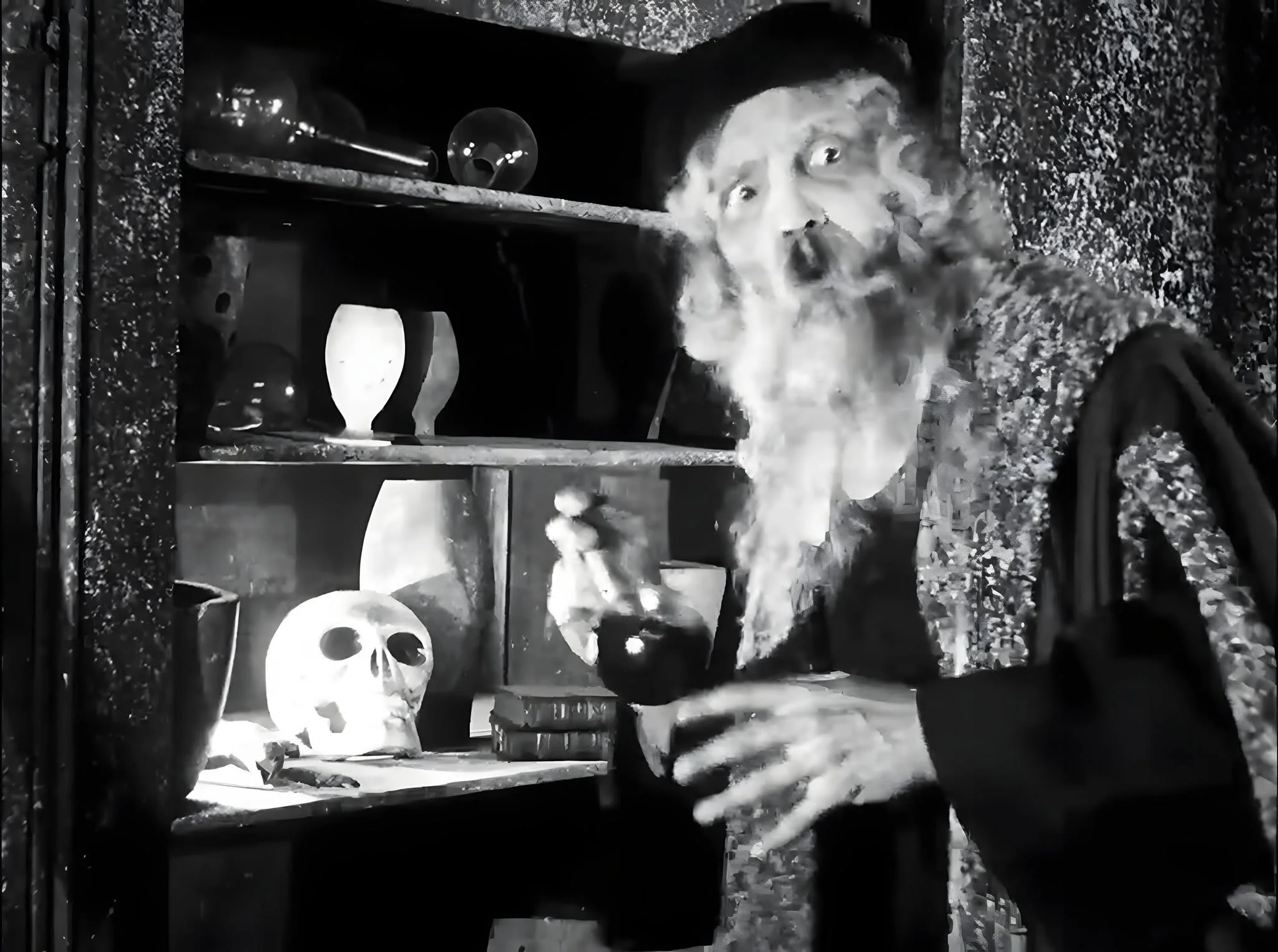
Analytická studie raného československého okultního hororu Jana S. Kolára zkoumající alchymistický experiment, oživení rytíře Ješka, vliv německého expresionismu a etiku lidské pýchy.
An analytical study of Jan S. Kolár's early Czechoslovak occult horror masterpiece exploring the alchemical experiment, the revival of Knight Ješek, German Expressionist influence, and the ethics of human hubris.
Snímek Příchozí z temnot (1921, dochovaná stopáž 62 minut), který měl premiéru v první polovině roku 1921, představuje jeden z nejvýznamnějších a formálně nejvyspělejších počinů rané československé kinematografie. Režisér a scenárista Jan S. Kolár vytvořil ambiciózní dílo, jež se radikálně vymykalo dobové tuzemské produkci spoléhající převážně na nenáročné frašky a sentimentální melodramata.
Kolár spolu se spoluautorem Karlem Lamačem přenesl témata okultismu, reinkarnace a faustovské pýchy do moderního vizuálního jazyka hluboce ovlivněného rodícím se německým expresionismem a historickými legendami rudolfinské Prahy. Dochované torzo filmu, zrestaurované a digitalizované Národním filmovým archivem, dnes představuje klíčový doklad žánrové odvahy středoevropského němého filmu.
I. Rudolfinská laboratoř v Černé věži a okultní experiment
Příběh je ukotven v napětí mezi racionalitou moderního 20. století a magickým dědictvím renesance:
- Nález elixíru života: Bohatý statkář Bohdan Dražický (Theodor Pištěk) objeví v ruinách Černé věže na svém panství tajnou podzemní laboratoř alchymisty Magistra Kellyho a svého předka z rudolfinské doby. Nález starých traktátů a neporušeného těla renesančního rytíře Ješka z Dražic (Karel Lamač) v něm probouzí faustovskou touhu překonat hranice biologie a času.
- Hybris stvořitele: Dražický neusiluje o pouhé vědecké poznání; je hnán velikášstvím podrobit si přírodní zákony. Využije nalezený alchymistický elixír a probudí Ješka po staletích k životu, aniž by domyslel etické a ontologické důsledky násilného narušení řádu smrti.
II. Oživená minulost jako anachronická entropie
Probuzení rytíře Ješka neodpovídá romantické pohádce o znovuzrození; spouští proces nezadržitelné destrukce:
- Nekompatibilita epoch: Ješek z Dražic nepředstavuje ušlechtilého renesančního kavalíra. Je to násilnická, pudová a brutální bytost zvyklá na právo silnějšího, která odmítá respektovat pravidla moderní civilizace 20. století. Zhmotňuje anachronické zlo – minulost, jež měla zůstat pohřbena, avšak po svém vyvolání působí jako čistá destruktivní síla.
- Rozpad manželské jistoty: Konflikt vrcholí v momentě, kdy Ješek spatří Dražického mladou manželku Dagmar (Anny Ondra, budoucí mezinárodní hvězda němého filmu a Hitchcockova múza). Považuje ji za reinkarnaci své někdejší milenky a začne ji bezohledně pronásledovat. Domácí krb a institucionální jistota statkáře se hroutí v prach pod náporem dravého atavismu.
III. Expresionistický šerosvit a technická suverenita Jana S. Kolára
Vizuální stránka filmu dokládá Kolárovo suverénní zvládnutí filmové formy:
- Práce se stínem: Kamera Karla Degla a Svatopluka Innemanna využívá ostré kontrasty světla a stínu (chiaroscuro). Klenby podzemních sklepení, schodiště Černé věže a noční zámecké chodby jsou snímány s expresionistickým důrazem na geometrickou tísnivost, jež vizualizuje hrdinovu postupující paranoiu.
- Atmosféra a virážování: Dochované kopie nesou stopy dobového barevného tónování (virážování), kdy noční a okultní scény v ledově modrých tónech střídají interiérové scény ve žluté barvě, což posiluje baladickou a tajemnou náladu snímku.
IV. Závěr: Trest za znásilnění času a pád stvořitele
Tragické vyvrcholení filmu uzavírá téma lidské pýchy nemilosrdnou katarzí:
- Zánik monstra i stvořitele: Ješek je v divokém střetu zneškodněn, avšak Dražický za svůj experiment platí totálním duševním i fyzickým zhroucením. Poznává, že mrtví patří hrobu a že jakýkoliv pokus o ovládnutí posmrtného řádu se obrací proti tomu, kdo bránu do temnot otevřel.
- Kulturní dědictví: Příchozí z temnot zůstává přelomovým dílem československého němého filmu. Prokázal, že česká kinematografie byla již na počátku dvacátých let schopna držet krok s evropskými trendy fantastického a hororového filmu a vytvářet svébytné reflexe faustovského mýtu.
Slovníček pojmů
- Rudolfinský okultismus: Historický a kulturní fenomén přelomu 16. a 17. století spojený s dvorem císaře Rudolfa II. v Praze, charakterizovaný rozkvětem alchymie, astrologie a hermetických věd.
- Historická anachronie v hororu: Narativní motiv, v němž je postava či objekt z minulé epochy přenesena do moderního světa, kde její archaické normy chování působí jako destruktivní prvek.
- Faustovská hybris: Pýcha a nekontrolovaná ambice člověka usilujícího o překročení přirozených mezí poznání, času a biologie za pomoci zakázaných sil.
Bibliografie
Primární prameny
- Kolár, Jan S., and Karel Lamač. Příchozí z temnot (Původní filmový scénář). Praha: Kalos Film, 1921.
- Kolár, Jan S., dir. Příchozí z temnot (The Arrival from the Darkness). Praha: Kalos Film, 1921.
Sekundární literatura
- Bartošek, Luboš. Náš film: Kapitoly z dějin (1896–1945). Praha: Mladá fronta, 1985.
- Národní filmový archiv (NFA). Zpráva o restaurování a digitální rekonstrukci filmu Příchozí z temnot. Praha: NFA.
- Ptáček, Luboš, ed. Panorama českého filmu. Olomouc: Rubico, 2000.
The film Arrival from the Darkness (Příchozí z temnot, 1921, surviving runtime 62 minutes), which premiered in the first half of 1921, stands as one of the most important and formally accomplished works of early Czechoslovak silent cinema. Director and screenwriter Jan S. Kolár crafted an ambitious piece that broke radically from typical domestic production, which at the time relied primarily on undemanding farces and sentimental melodramas.
Alongside co-writer Karel Lamač, Kolár translated themes of occultism, reincarnation, and Faustian hubris into a modern visual language deeply shaped by emerging German Expressionism and the historical legends of Rudolfine Prague. The surviving fragment, restored and digitized under the auspices of the National Film Archive, serves as essential evidence of genre boldness in Central European silent cinema.
I. The Rudolfine Laboratory in the Black Tower and the Occult Experiment
The narrative is anchored in the tension between twentieth-century modernity and the esoteric heritage of the Renaissance:
- The Discovery of the Elixir: Wealthy landowner Bohdan Dražický (Theodor Pištěk) discovers an underground laboratory belonging to his Rudolfine-era ancestor and the alchemist Edward Kelley beneath the ruins of the Black Tower. Uncovering ancient treatises and the perfectly preserved body of Renaissance knight Ješek of Dražice (Karel Lamač), he is seized by a Faustian desire to transcend the boundaries of biology and time.
- The Creator’s Hubris: Dražický does not merely seek scientific understanding; he is driven by the grandiosity of bending natural laws to his will. Utilizing the rediscovered alchemical elixir, he revives Ješek centuries later without considering the ethical and ontological consequences of disrupting the order of death.
II. Resurrected Past as Anachronistic Entropy
Ješek’s awakening does not unfold as a romantic tale of rebirth; it unleashes an uncontrollable wave of destruction:
- The Incompatibility of Eras: Ješek of Dražice is no noble Renaissance cavalier. He is an aggressive, instinct-driven figure accustomed to the rule of force, wholly refusing to conform to modern civil norms. He embodies anachronistic evil—a violent past that belonged to history, now acting as pure destructive entropy within modern society.
- The Collapse of Domestic Security: The conflict escalates when Ješek encounters Dražický’s young wife, Dagmar (portrayed by Anny Ondra, the future international silent screen star and early Hitchcock collaborator). Seeing her as the reincarnation of his past lover, he pursues her relentlessly. The landowner’s domestic security and institutional stability crumble under the onslaught of ancient atavism.
III. Expressionist Chiaroscuro and Jan S. Kolár’s Technical Mastery
The film’s visual architecture highlights Kolár’s sophisticated command of cinematic form:
- Shadow and Composition: Cinematographers Karel Degl and Svatopluk Innemann employ stark lighting contrasts (chiaroscuro). The vaulted stone cellars, winding stairs of the Black Tower, and nocturnal corridors are framed with an expressionist emphasis on geometric tension, visually externalizing Dražický’s escalating paranoia.
- Atmosphere and Tinting: Surviving prints exhibit period tinting techniques, shifting from cold, icy blues for nocturnal and occult sequences to warm ambers for interiors, reinforcing the eerie, ballad-like tone of the story.
IV. Conclusion: Retribution for Violating Time and the Fall of the Creator
The tragic climax delivers a ruthless resolution to human hubris:
- Destruction of the Monster and the Creator: While Ješek is ultimately neutralized in a violent confrontation, Dražický pays with his mental and physical collapse. He realizes that the dead belong to the grave, and any attempt to command life and death rebounds fatally upon whoever unlocked the gateway to the dark.
- Cultural Legacy: Arrival from the Darkness remains a foundational milestone in Czechoslovak silent cinema. It proved that Czech filmmaking was capable of engaging directly with contemporary European fantastic and horror traditions, offering a distinctive, localized interpretation of the Faust myth.
Glossary
- Rudolfine Occultism: A historical and cultural phenomenon centered around the Prague court of Emperor Rudolf II in the late 16th and early 17th centuries, marked by the flourishing of alchemy, astrology, and hermetic philosophy.
- Historical Anachronism in Horror: A narrative motif in which an individual or relic from a past historical epoch is transposed into the modern world, where its archaic behavioral code acts as a disruptive, destructive force.
- Faustian Hubris: The unchecked arrogance and overreaching ambition of an individual attempting to transcend mortal limitations and natural laws through forbidden knowledge or forces.
Bibliography
Primary Sources
- Kolár, Jan S., and Karel Lamač. Příchozí z temnot (Original Screenplay). Prague: Kalos Film, 1921.
- Kolár, Jan S., dir. Arrival from the Darkness (Příchozí z temnot). Prague: Kalos Film, 1921.
Secondary Literature
- Bartošek, Luboš. Náš film: Kapitoly z dějin (1896–1945). Prague: Mladá fronta, 1985.
- National Film Archive (NFA). Report on the Restoration and Digital Reconstruction of Arrival from the Darkness. Prague: NFA.
- Ptáček, Luboš, ed. Panorama českého filmu. Olomouc: Rubico, 2000.