Orgasmo (1969): Zlatá klec paranoie a psychologická destrukce
The Gilded Cage of Paranoia: Eros and Psychological Destruction in Lenzi's Orgasmo (1969)
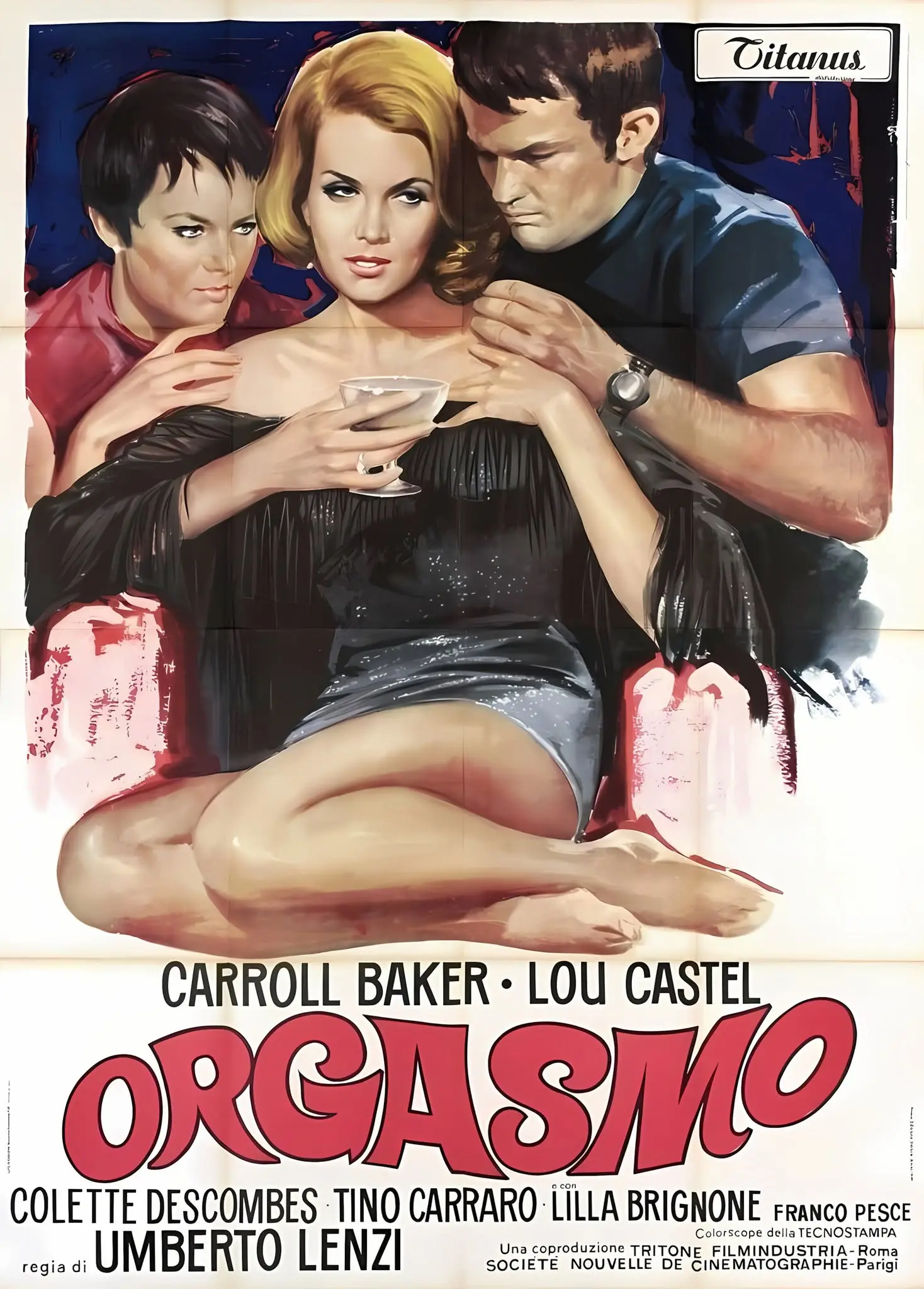
Esejistická analýza psychologického thrilleru Umberta Lenziho zkoumající manipulaci, gaslighting, architekturu slunné izolace a rozpad buržoazní suverenity.
An essayistic analysis of Umberto Lenzi's Orgasmo (1969), exploring psychological manipulation, eros, and the architecture of isolation.
Zatímco klasické italské giallo obvykle podřizuje svou výstavbu hledání maskovaného vraha s břitvou a choreografii krvavých mordů, Umberto Lenzi ve svém přelomovém díle Orgasmo (1969, stopáž 90 minut) tuto žánrovou šablonu radikálně proměňuje. Ve spolupráci s americkou hvězdou Carroll Bakerovou – pro niž se film stal odrazovým můstkem k postavení ikony italského erotického thrilleru – přesunul těžiště děsu od vnějšího nebezpečí k rafinované psychologické manipulaci.
Zdrojem hrůzy zde není neznámý psychopat číhající v temném koutě, nýbrž samotná erotická intimita. Snímek zkoumá zvrácenou dynamiku mezi iluzí sexuálního osvobození a chladnokrevným mocenským zotročením lidské mysli.
I. Architektura izolace: Slunce a moderní vila jako zlatá klec
Klasický horor a gotický thriller situují ohrožení do setmělých uliček, opuštěných krypt či rozpadajících se hradů. Lenzi však v Orgasmu volí přesný protiklad[cite: 130]:
- Iluze transparentnosti: Děj je zasazen do hypermoderní, luxusní a sluncem prosvětlené vily v Itálii, kam se po smrti bohatého manžela uchyluje Američanka Kathryn Westová (Carroll Baker), aby nalezla klid[cite: 130]. Architektura vily s obřími prosklenými stěnami, terasami a bazénem evokuje absolutní viditelnost, svobodu a kontrolu nad prostorem[cite: 130].
- Prostorová past: Lenzi tuto modernistickou rezidenci postupně proměňuje v neprodyšnou „zlatou klec“[cite: 130]. Otevřený prostor nezajišťuje bezpečí; naopak vystavuje hrdinku neustálému dohledu. Luxusní izolace od okolního světa se stává ideálním operačním polem pro predátory a hlavním nástrojem Kathrynina pádu[cite: 130].
II. Eros jako nástroj dominance a subverze volné lásky
Příchod mladého, charismatického automechanika Petera (Lou Castel) a posléze jeho údajné sestry Evy (Colette Descombesová) spouští perverzní mocenskou hru[cite: 130]:
- Weaponizace sexuality: Film zpočátku vystupuje jako melodramatická romance o probuzení zralé ženy mladým milencem[cite: 130]. Záhy se však ukazuje, že erotická touha zde neslouží k partnerskému sblížení, nýbrž funguje jako zbraň psychologické kolonizace[cite: 130]. Peter a Eva systematicky využívají Kathryninu osamělost a tělesnou závislost k tomu, aby ji zbavili kritického úsudku[cite: 130].
- Demystifikace sexuální revoluce: Lenzi podává kousavou kritiku mýtu „volné lásky“ konce šedesátých let[cite: 130]. Odhaluje její parazitickou tvář – zdánlivá bohémská uvolněnost a drogové experimenty jsou v rukou sociopatických manipulátorů pouhým nástrojem k rozbití zábran a podrobení slabšího jedince[cite: 130].
III. Třídní parazitismus a mechanismus gaslightingu
Konflikt mezi vdovou a mladou dvojicí nese silný sociální podtext evokující Pasoliniho Teorému[cite: 130]:
- Invaze do buržoazního světa: Kathryn reprezentuje unavený, materiálně zabezpečený establišment, zatímco Peter a Eva vystupují jako cyničtí příživníci nové generace, pro něž tradiční morální kodex nic neznamená[cite: 130].
- Systematický gaslighting: Cílem predátorů není pouze převzít kontrolu nad Kathrynina bankovními konty; jejich metoda spočívá v totální destrukci její identity[cite: 130]. Pomocí léků, alkoholu, manipulace s předměty v domě a předstíraných rozhovorů ji přivádějí k přesvědčení, že ztrácí rozum[cite: 130]. Kathryn přestává rozlišovat mezi bděním a noční můrou a stává se vězeňkyní ve vlastním těle i domě[cite: 130].
IV. Závěr: Teror uvnitř vlastní mysli
Závěrečný zvrat, v němž vyjde najevo, že Peter a Eva jsou milenci zapojení do plánovaného spiknutí, ústí ve fyzickou tragédii:
- Pád do propasti: Kathryn v šílenství a pod vlivem omamných látek zabije Petera, čímž definitivně naplní roli, kterou jí intrikáni přichystali – ocitá se zcela v moci bezohledné Evy.
- Odkaz: Orgasmo zůstává jedním z nejpozoruhodnějších psychologických thrillerů své éry[cite: 130]. Lenzi dokázal, že nejhlubší paranoia nevzniká z hrozby neznámého monstra zvenčí, nýbrž ze zjištění, že zdi naší vlastní příčetnosti byly nenávratně podkopány těmi, které jsme sami a dobrovolně pozvali dál[cite: 130].
Slovníček pojmů a bibliografie
- Gaslighting: Forma zákeřné psychologické manipulace, při níž manipulátor systematicky zpochybňuje vnímání reality, paměť a příčetnost oběti, dokud oběť nepřestane věřit vlastnímu úsudku[cite: 130].
- Erotické giallo: Specifická odnož italského thrilleru konce 60. a počátku 70. let, upřednostňující psychologickou manipulaci, třídní konflikty a sexuální tenzi před explicitním násilím a detektivním pátráním[cite: 130].
- Zlatá klec (Architektonická izolace): Scénografický koncept využívající luxusní, modernistické a prosvětlené prostory jako vizuální metaforu bezvýchodného vězení a ztráty soukromí[cite: 130].
Bibliografie (Chicago Style):
- Howarth, Troy. So Deadly, So Perverse: 50 Years of Italian Giallo Films, Vol. 1. Baltimore: Midnight Marquee Press, 2015.
- Lenzi, Umberto, dir. Orgasmo (Motion Picture). Roma: Tritone Cinematografica, 1969[cite: 130].
- Luther-Smith, Adrian. Blood and Black Lace: The Definitive Guide to Italian Sex and Violence Movies. London: Stray Cat Publishing, 1999.
- Shipka, Danny. Perverse Titillation: The Exploitation Cinema of Italy, Spain and France, 1960–1980. Jefferson: McFarland, 2011.
While the classic Italian giallo typically subordinates its structure to detective investigation and the choreography of death, Umberto Lenzi radically transforms this formula in his seminal work Orgasmo (1969), shifting the focus from the hunt for a killer to psychological manipulation. In collaboration with Carroll Baker—who in the ensuing years became one of the most prominent faces of the Italian erotic giallo—he created a work where the primary source of terror is not a knife wielded by a black-gloved hand, but intimacy itself. The film probes the terrifying tension between sexual liberation and absolute subjugation.
This essayistic analysis explores how Lenzi utilizes the expressive and psychedelic aesthetics of the late 1960s to deconstruct bourgeois certainty, and how he transforms an isolated luxury space into a perfect trap for the human mind.
1. The Architecture of Isolation and Deceptive Light
Classic horror and thrillers traditionally conceal their threats in gothic shadows, abandoned ruins, or dimly lit alleys. Lenzi, however, opts for the exact opposite in Orgasmo. The central setting is a hyper-modern, luxurious, sun-drenched Italian villa where a recently widowed, wealthy American named Kathryn West seeks refuge to find peace.
This exclusive location fulfills a crucial epistemic function: the illusion of safety. The villa’s architecture, with its massive windows, swimming pool, and designer furniture, suggests openness, visibility, and a reassuring sense of control over the space. Yet, Lenzi gradually transforms this sunny, seemingly rational “gilded cage” into a claustrophobic prison. The horror here does not stem from darkness, but from the loss of control over one’s own territory and perception. The isolation of wealth becomes the primary instrument of Kathryn’s downfall.
2. Eros as an Instrument of Power and Subjugation
The arrival of the young, charismatic drifter Peter (Lou Castel), and later his supposed sister Eva (Colette Descombes)—who is later revealed to be his stepsister—initiates a twisted game. The film initially employs a sleight of hand, posing as an erotic drama about the sexual awakening of a widow who falls for the charm of unbridled youth. Soon, however, it becomes apparent that sex here serves neither as a romantic bond nor as pure physical pleasure; it primarily functions as a tool of predatory manipulation.
In Lenzi’s conception, Eros is inextricably linked with Thanatos. Peter and Eva utilize sexuality, psychological coercion, and eventually drugs to systematically dismantle Kathryn’s sense of reality. Her initial sexual assertiveness is subverted into absolute dependency. The film can thus be read as a challenge to the very myth of 1960s “free love”—exposing its dark, parasitic underbelly, where apparent freedom is wielded to reduce another person to a state of dependency.
3. Class Conflict and the Destruction of Identity
Orgasmo transcends the boundaries of a mere exploitation thriller. The relationship between Kathryn and the young couple can be interpreted as a variation on the Pasolinian motif of seductive strangers disrupting the bourgeois status quo (Teorema). Kathryn represents the wealthy, stable establishment, whereas Peter and Eva stylize themselves as a bohemian, cynical alternative to this world.
Their objective is not merely to strip Kathryn of her wealth in a calculated inheritance plot; the manner in which they progressively drive her to it takes the form of systematic humiliation, blackmail, and the destruction of her identity. From a contemporary perspective, the film can be read as a striking dramatization of mechanisms we would today label as gaslighting. Kathryn loses the ability to distinguish dreams from reality, sanity from madness. Lenzi brilliantly captures how fragile the structure of human identity truly is when it is systematically undermined from within by those the victim trusts the most.
4. Conclusion: Terror Within the Mind
Unlike the masked killers in the early films of Mario Bava, physical violence is not the primary instrument of terror in Orgasmo (although the film also contains episodes of physical violence); the decisive weapon is psychological manipulation. The film is a chilling analysis of how easily the human mind can be dismantled through isolation, desire, and betrayal. Lenzi shows here that the deepest paranoia is not evoked by the fear of an unknown intruder from the outside, but by the realization that the walls of our own sanity have been irreparably undermined by those we invited inside.