Kočka o devíti ocasech (Il gatto a nove code, 1971): Labyrint smyslů a krize poznání
A Labyrinth of Senses and Shadows: The Crisis of Knowledge in Argento's The Cat o' Nine Tails (1971)
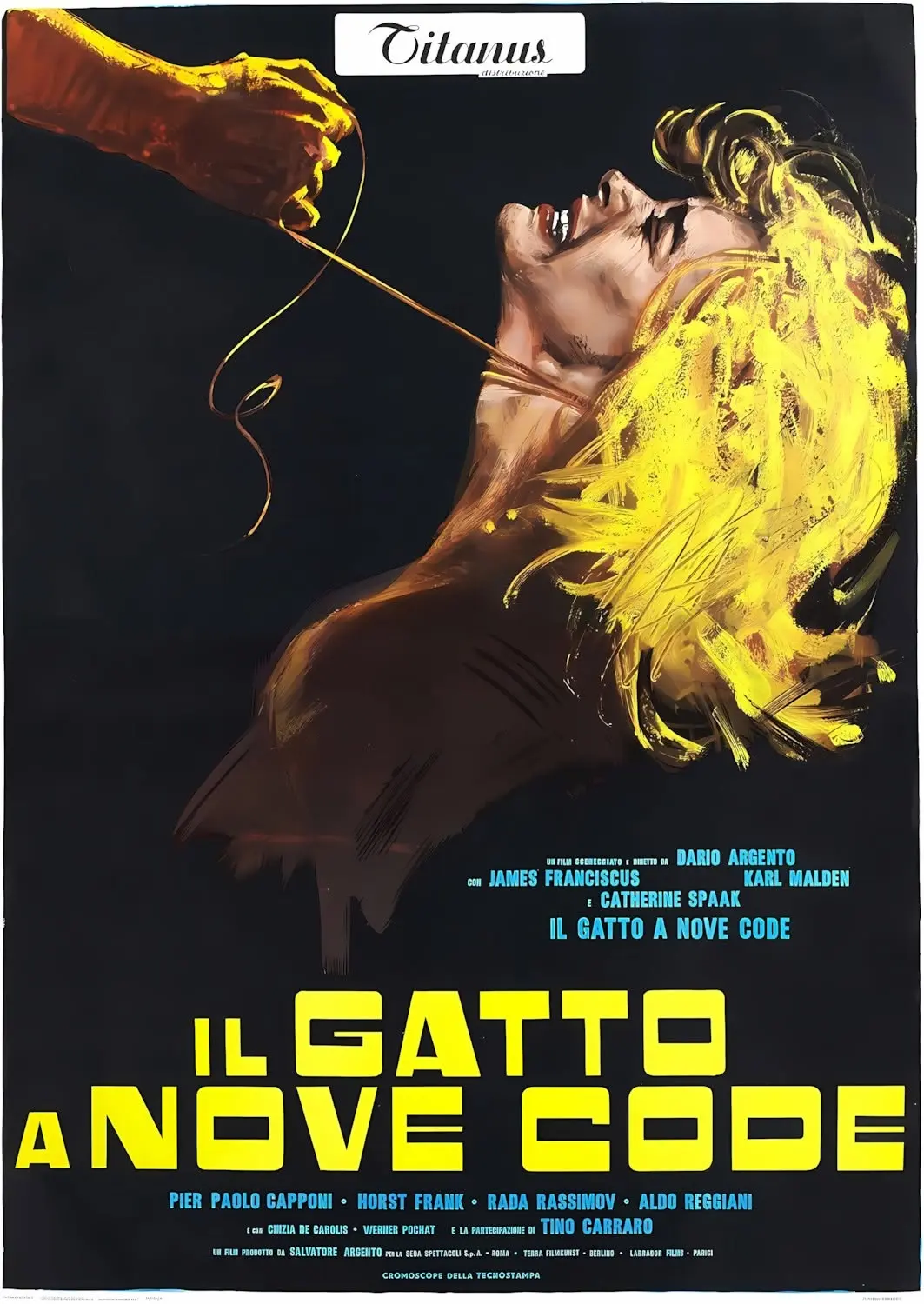
Analytická studie druhého gialla Daria Argenta zkoumající epistemologickou krizi zraku, slepého vyšetřovatele, genetický determinismus a avantgardní zvukovou krajinu Ennia Morriconeho.
An essayistic inquiry into Dario Argento's The Cat o' Nine Tails (1971) exploring the philosophy of perception, the limits of knowledge, and paranoia.
Vizuální svět italského gialla tradičně funguje jako labyrint zrcadel, v němž je objektivní pravda pokřivena barvami, deformovanou optikou a stíny. Když Dario Argento v roce 1971 uvedl svůj druhý celovečerní snímek Kočka o devíti ocasech (Il gatto a nove code, stopáž 112 minut), rozhodl se tento optický mýtus radikálně zpochybnit. Do centra vyšetřování série brutálních vražd spojených s genetickým výzkumným institutem nestaví bystrého pozorovatele, nýbrž muže, který byl zraku zbaven. Bývalý novinář Franco Arnò (Karl Malden) operuje v režimu alternativní smyslové rekonstrukce reality, čímž film otevírá hlubokou epistemologickou debatu o nespolehlivosti samotného vidění.
Tato studie analyzuje snímek jako filozofickou esej o krizi lidské percepce, biologizaci zločinu a technologické úzkosti počátku sedmdesátých let.
I. Inverze vizuální moci a spojenectví slepce s reportérem
Klasický filmový thriller spoléhá na dominanci zrakového vjemu – bojíme se toho, co hrdina spatří v temném koutě. Argento však tento mechanismus rozbíjí:
- Dialektika smyslů: Spojenectví slepého křížovkáře Franca a mladého reportéra Carla Giordaniho (James Franciscus) vytváří funkční epistemologický kontrapunkt. Giordani je mužem akce a zraku; spoléhá na vizuální evidenci a neustále se stává obětí optických pastí a klamů, které vrah nastražil.
- Rekonstrukce z fragmentů: Franco naproti tomu skládá realitu ze zvukových stop, intonace hlasů, časových intervalů a logických dedukcí. Argento ukazuje, že v přetechnizovaném moderním světě je zrak nejsnáze manipulovatelným smyslem. Paradoxně teprve ten, kdo je zbaven zraku, dokáže prohlédnout povrchové lži a dešifrovat podstatu zločinu.
II. Genetický determinismus a institut Terzi jako prostor odcizení
Děj snímku je pevně ukotven v dobových obavách z nekontrolovatelného vědeckého pokroku:
- Karyotyp 47,XYY: Zločin nevychází z běžné vášně či loupeže, nýbrž z tajného výzkumu Institutu Terzi zaměřeného na chromozomální anomálii XYY, které dobová (později vyvrácená) genetika připisovala vrozené sklony k násilí a kriminalitě. Argento reflektuje úzkost společnosti z biologického determinismu – obavu, že lidské svědomí a svobodná vůle mohou být redukovány na biochemický vzorec zkumavky.
- Modernistická architektura odcizení: Prostory genetického institutu tvořené sterilním sklem, ocelovými mřížemi a geometrickými chodbami zhmotňují chladný svět bez lidskosti. V tomto sterilním prostředí nepředstavuje věda službu člověku, nýbrž panoptikální aparát generující paranoia a vražedné spiknutí.
III. Audiovizuální disonance a Morriconeho dekonstrukce melodie
Nezastupitelnou složku Argentovy metody představuje avantgardní hudební doprovod Ennia Morriconeho:
- Kolaps lyrismu: Morricone staví vedle sebe křehkou, melancholickou melodii („Ninna Nanna in Blu“) a brutální atonální experimenty. Tradiční orchestrální harmonie je narušována skřípěním smyčců, atonálními klavírními údery a zneklidňujícími bezeslovnými ženskými vokalizacemi.
- Auditivní zrcadlo paranoie: Zvuková stopa divákovi nenapovídá bezpečné emoce, nýbrž funguje jako akustický ekvivalent rozpadajícího se světa, v němž každé vrznutí dveří či krok na schodech signalizuje přítomnost predátora.
IV. Závěr: Devět stop na konci labyrintu a limity poznání
Název filmu odkazuje k devíti hypotetickým vyšetřovacím stopám, které musí detektivové prozkoumat:
- Relativita pravdy: Argento dokládá, že proces lidského poznání nepřináší definitivní jistotu. Každé rozluštěné vodítko pouze otevírá další labyrint pochybností; fotografický snímek na hřbitově je pořízen těsně před vraždou svědka a jeho negativ zůstává neúplný.
- Odkaz: Kočka o devíti ocasech překračuje hranice kriminální zápletky a stává se svébytnou studií o limitech lidského rozumu. Dokazuje, že ve světě ovládaném simulací a manipulací musíme někdy – stejně jako slepý Franco Arnò – zavřít oči, abychom dokázali odhalit pravdu skrytou pod povrchem viditelného.
Slovníček pojmů a bibliografie
- Epistemologická krize percepce: Stav zpochybnění lidských smyslů (zejména zraku) jako spolehlivých nástrojů pro ověřování reality a objektivní pravdy.
- Karyotyp XYY (Syndrom supermuže): Genetická anomálie, v 60. a 70. letech mylně pokládaná za biologickou příčinu agresivního a kriminálního chování jedince.
- Auditivní disonance: Záměrné využití disharmonických a experimentálních zvukových postupů k navození vnitřního psychického neklidu a narušení diváckého komfortu.
Bibliografie (Chicago Style):
- Argento, Dario. Fear: The Autobiography of Dario Argento. Translated by Alberto Pezzotta. London: Fab Press, 2014.
- Gallant, Chris, ed. Art of Darkness: The Cinema of Dario Argento. Godalming: Fab Press, 2000.
- McDonagh, Maitland. Broken Mirrors, Broken Minds: The Dark Dreams of Dario Argento. Minneapolis: University of Minnesota Press, 2010.
Sight is a deception. The visual world, particularly within the confines of the Italian giallo, functions as a labyrinth of mirrors where truth is distorted by colors, angles, and shadows. When Dario Argento unveiled his second feature film, The Cat o’ Nine Tails (Il gatto a nove code) in 1971, he chose to radically deconstruct this optical myth. In a cinematic genre defined by an obsession with the gaze, the photographic image, and observation, he places a man deprived of sight at the very epicenter of the narrative. Former journalist and crossword-puzzle writer Franco Arnò (Karl Malden) functions here as a blind investigator whose ability to uncover the truth is grounded in an entirely different regime of perception, allowing him to reconstruct reality outside the privilege of sight.
This essayistic inquiry delves not only into the narrative structure of the murder mystery but into the profound philosophy of perception, the limits of knowledge, and the paranoia that Argento so brilliantly articulates.
1. The Inversion of Visual Power and the Tyranny of the Image
The classic thriller relies heavily on the tyranny of sight. We are terrified by what the protagonist sees, or conversely, by what remains concealed in the obscure corners of the frame. Argento, however, steps aside from this convention. The alliance between the blind Franco and the young, ambitious reporter Carlo Giordani (James Franciscus) creates a fascinating dialectic. Giordani is a man of action and vision; he plunges into danger, trusts what he sees, and repeatedly falls prey to the visual and logical traps set by the killer.
In stark contrast, Franco obtains information in a non-image-based manner: listening, reconstructing, and connecting fragments that others overlook. Argento masterfully posits that in a technologically and scientifically rationalized society, sight is the most easily manipulated of all senses. The killer in The Cat o’ Nine Tails must confront an analytical mind for which piecing together seemingly unrelated fragments in the dark is second nature.
2. The Biologization of Crime and the Architecture of Disorientation
The film is deeply rooted in the existential anxieties of the early 1970s. The central crime does not revolve around classic tropes of passion or greed, but rather around the genetic research of the Terzi Institute and the then-controversial, now-discredited hypothesis linking the 47,XYY karyotype to criminal predisposition. Through this motif, Argento probes the contemporary dread of genetic determinism, the biologization of crime, and unbridled technological progress. What if the human essence can be reduced to a karyotype and measured in a laboratory?
This anxiety stemming from a rationalized world is also reflected in the film’s architecture. Modernist architecture, geometric interiors, and deforming spatial compositions create an environment where orientation becomes profoundly uncertain. It is not merely a space for murder; it is the architectural manifestation of a world that attempts to structure and control human irrationality, while simultaneously revealing the limits of such rationalization.
3. Sonic Dissonance and the Fracturing of Melody
The work would be incomplete without Ennio Morricone’s unsettling score. Rather than abandoning the traditional melodic function, Morricone radically fractures it. He alternates fragile, lyrical motifs (such as the Ninna Nanna in Blu) with experimental cool jazz, dissonant textures, and unsettling wordless vocalizations. The music does not instruct the audience on how to feel; it acts as an auditory mirror to the shattered, paranoid world navigated by the investigators.
4. Nine Paths at the End of the Labyrinth
The film’s title evokes nine paths—nine possibilities that Franco and Carlo must explore. Through this, Argento communicates a bitter truth regarding the process of human cognition. The unraveling of one mystery often merely reveals another illusion, and the photographic image as alleged proof of reality discloses only incomplete fragments. The Cat o’ Nine Tails thus transcends the boundaries of a mere genre exercise. It is a philosophical essay on the crisis of knowledge and the limits of human perception. It teaches us that in a world defined by manipulation, we must sometimes, much like Franco Arnò, close our eyes to truly see.