Ďábelské ženy (Les Diaboliques, 1955): Anatomie viny a psychologická past
Anatomy of Guilt and the Trap of Self-Deception: A Deep Dive into Diabolique (1955)
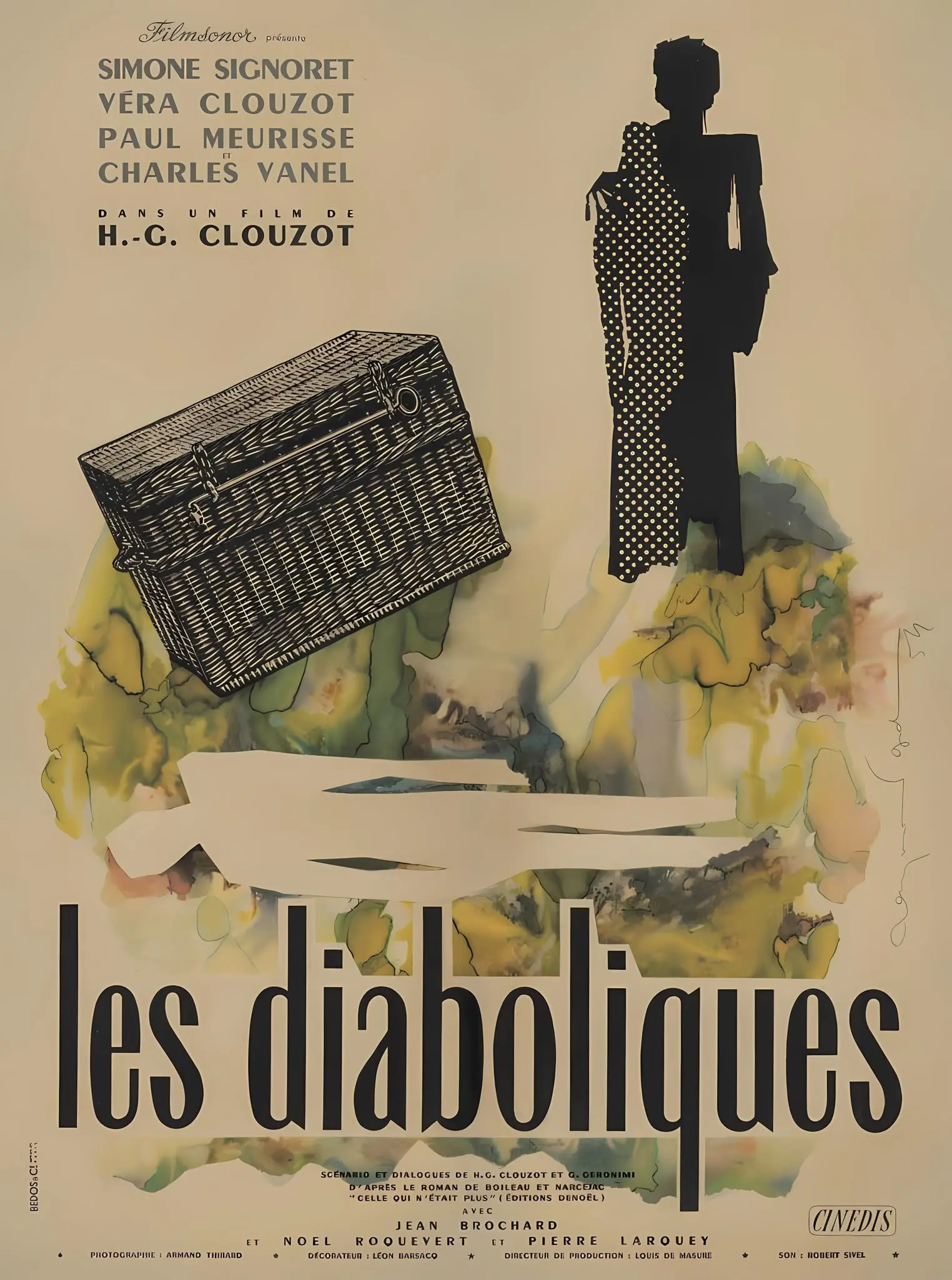
Analytická studie mistrovského díla Henriho-Georgese Clouzota zkoumající somatizaci viny, asymetrii informací a precizně konstruovanou síť manipulace.
An essayistic study of Henri-Georges Clouzot's Diabolique (1955), exploring human guilt, escalating paranoia, and psychological traps.
Francouzský klenot Ďábelské ženy (Les Diaboliques, 1955, stopáž 117 minut) v režii Henriho-Georgese Clouzota představuje základní pilíř moderního psychologického thrilleru. Zatímco dobový americký kriminální film sázel na vnější akci či policejní procedury, Clouzot situuje primární zdroj hrůzy do nitra lidské psychiky – do mechanismu viny, stupňující se paranoie a precizně zinscenované informační lsti. Snímek analyzuje proces, při němž se subjektivní přesvědčení o spáchaném hříchu proměňuje v dokonalou past na lidskou mysl.
I. Mikrokosmos internátu a architektura pasti
Děj zasazený do chátrajícího, provinciálního chlapeckého internátu v Saint-Cloud okamžitě ustavuje dusnou, morálně zkorumpovanou atmosféru:
- Toxický trojúhelník: Ředitel školy Michel Delassalle (Paul Meurisse) je chladný tyran, který otevřeně ponižuje svou slabou, těžce nemocnou manželku Christinu (Véra Clouzot) i svou milenku Nicole (Simone Signoret).
- Koalice obětí: Společné utrpení sblíží obě ženy k radikálnímu kroku: omámit tyrana sedativy, utopit jej ve vaně a jeho tělo svrhnout do kalného školního bazénu. Již v samotném zárodku spiknutí je však přítomna fatální asymetrie – zatímco Christina jedná z čirého zoufalství, Nicole je od počátku součástí chladnokrevné konspirace s Michelem, který svou smrt pouze finguje.
II. Lež jako parazit a somatizace viny
Nejpůsobivějším aspektem Clouzotovy režie je zobrazení fyzické destrukce člověka pod tíhou spáchaného zla:
- Tělo v křeči: Christina trpí závažnou srdeční vadou. Jakmile je čin dokonán, její organismus začíná pod tlakem výčitek svědomí a strachu z odhalení kolabovat. Vina zde není abstraktním morálním pojmem, ale somatickým jedem ničícím kardiovaskulární systém.
- Eroze příčetnosti: Absence těla po vypuštění bazénu spouští spirálu psychologického teroru. Šířící se zvěsti o tom, že ředitel byl spatřen živý, a návraty jeho osobních předmětů (oblek z čistírny, školní fotografie) deformují Christinino vnímání. Vina ji paralyzuje natolik, že v každém stínu spatřuje přízrak mrtvého.
III. Vizuální klaustrofobie a odmítnutí transcendence
Clouzot a jeho kameraman Armand Thirard komponují záběry s neúprosnou syrovostí:
- Materiální špína: Voda v bazénu plná hnijícího listí, vrzající dřevěné podlahy a blátivé dvory vylučují jakoukoliv romantickou stylizaci. Svět internátu je hermeticky uzavřeným systémem bez morální vertikály.
- Stínová hra před infarktem: Vrcholná noční scéna, v níž Christina bloudí temnou školou a v koupelně spatří Michela pomalu se vynořujícího z vany plné vody, představuje vrchol mechanického teroru. Christina neumírá rukou vraha, nýbrž selháním vlastního vyděšeného srdce. Clouzot tak demonstruje, že k fyzické likvidaci člověka postačí precizně dávkovaná manipulace s jeho strachem.
IV. Závěr: Demaskování reality a zrod moderního thrilleru
Závěrečný zvrat, v němž Michel vstává z vody a s Nicole chladně kalkuluje dědictví, demaskuje předchozí dění jako absolutní triumf cynického realismu. Žádné nadpřirozeno neexistovalo; celý horor byl pouhou technologickou inscenací vytvořenou k vraždě beze stop.
Závěrečný inspektor Fichet (Charles Vanel) představuje zpožděný, unavený návrat k řádu. Slavné závěrečné varování tvůrců divákům („Nebuďte ďábelští. Nekazte potěšení svým přátelům tím, že jim prozradíte, co jste viděli.“) pak definovalo marketing moderního spoileru a potvrdilo výjimečné postavení filmu v dějinách žánru.
Slovníček pojmů a bibliografie
- Somatizace viny: Fyzický projev psychického traumatu a morálního selhání, vedoucí k reálnému tělesnému kolapsu protagonisty.
- Informační asymetrie: Stav, kdy jedna strana manipulativního vztahu disponuje klíčovými informacemi o fiktivní povaze reality, zatímco oběť jedná na základě falešných předpokladů.
- Mechanický suspense: Režijní postup budování napětí pomocí precizního načasování rekvizit, zvukových ruchů a odepření katarze, který později ovlivnil Alfreda Hitchcocka (např. v Psychu).
Bibliografie (Chicago Style):
- Boileau, Pierre, and Thomas Narcejac. Celle qui n’était plus. Paris: Denoël, 1952.
- Buss, Robin. French Film Noir. London: Marion Boyars, 1994.
- Hayward, Susan. Les Diaboliques (Henri-Georges Clouzot, 1955). Urbana: University of Illinois Press, 2005.
- Mayne, Judith. French Film Noir. London: British Film Institute, 2000.
Henri-Georges Clouzot’s 1955 masterpiece Diabolique (Les Diaboliques) stands as a foundational pillar of modern psychological horror. Unlike films featuring external monsters or supernatural forces, terror here emerges from within—born of human guilt, escalating paranoia, and a meticulously constructed web of deception. The film is a chilling study of how the belief in having committed a crime can transform into a psychological purgatory and a lethal trap for the human mind.
1. The Boarding-School Microcosm and the Birth of the Conspiracy
Set against the decaying, claustrophobic backdrop of a provincial boys’ boarding school, the film immediately establishes an oppressive atmosphere. Headmaster Michel Delassalle is a cruel, sadistic tyrant who psychologically and physically abuses his frail, ailing wife Christina while openly degrading his mistress Nicole. This toxic triad leads to a fatal resolution: Christina and Nicole, in Christina’s mind, conspire to murder Michel and dispose of his body in the school’s swimming pool. From the very inception of the plot, however, a meticulously constructed trap takes shape—while Christina lives under the harrowing belief that she has committed murder, the entire scenario is actually a cold-blooded conspiracy orchestrated by Michel, who merely fakes his death, and Nicole, who has been his accomplice all along.
2. The Lie as an Internal Parasite and the Somatization of Guilt
The true power of Clouzot’s direction lies in its depiction of the physical and psychological toll of perceived guilt on the human body. Christina suffers from a severe heart condition and has been warned by doctors to avoid all agitation. Once the supposed murder has been carried out, her already fragile physical condition begins to deteriorate under the crushing weight of perceived guilt and the fear of discovery.
The lie ceases to be a mere falsehood and mutates into an internal parasite.
Unable to bear the burden of what she believes she has done, Christina’s psychology warps reality to the point where she perceives her dead husband everywhere.
The film brilliantly illustrates the moment when an individual who falls for a false premise becomes its primary victim, completely unaware they are merely a pawn in a rigged game.
3. The Vanishing Corpse and the Collapse of Rationality
True horror sets in when the swimming pool is drained—and the body is nowhere to be found. From this moment onward, a spiral of psychological terror unfolds. Rumors spread that Michel has been seen alive, accompanied by the appearance of his personal belongings in unexpected places.
While Nicole maintains a façade of composure (her composure is not a sign of psychological stability, but of her privileged knowledge of the deception), Christina descends into a state of panic where her ability to distinguish between reality and threat progressively shatters. The film masterfully blurs the boundary between nightmare and reality, leaving both the protagonist and the audience trapped in profound perceptual uncertainty.
4. The Conclusion as the Unmasking of Constructed Reality
The legendary final twist acts as a chilling realization that the reality Christina inhabited throughout the ordeal was not merely a subjective breakdown, but a systematically and coldly constructed lie engineered against her from the very beginning. Diabolique remains a timeless study of informational asymmetry and how the human mind can be systematically destabilized through a meticulously staged illusion.