Cure (1997): Nákaza prázdnotou a destrukce ega
Cure (1997): The Contagion of Emptiness
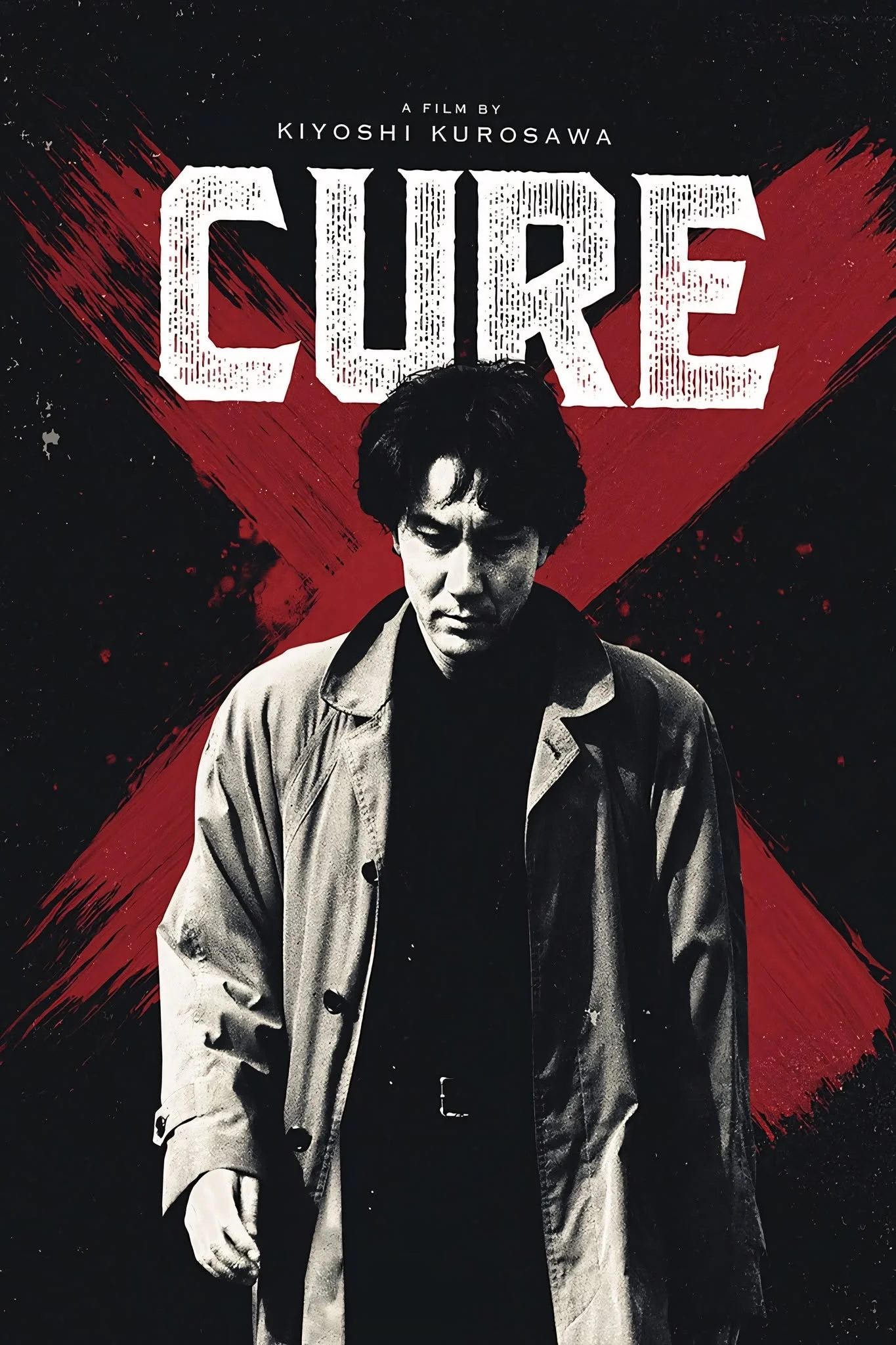
Analytická studie kultovního japonského psychologického hororu Kijošiho Kurosawy zkoumající anatomii odcizení, hypnotickou destrukci ega a nákazu prázdnotou.
An analytical study of Kiyoshi Kurosawa's psychological horror exploring the anatomy of alienation, the hypnotic destruction of the ego, and the contagion of emptiness.
Tato studie dekonstruuje kultovní japonský psychologický horor Cure (Kjua, 1997, stopáž 111 minut) jako mrazivou meditaci o křehkosti lidské identity a potlačených pudech moderní společnosti. Snímek formálně využívá strukturu policejního procedurálu, aby sledoval detektiva Takabeho vyšetřujícího sérii bizarních hrdelních zločinů.
Všichni pachatelé se ke svým činům okamžitě doznávají, postrádají však jakýkoliv racionální motiv; spojuje je pouze krátké setkání se záhadným amnestikem Mamijou. Metodologicky se text zaměřuje na klinicky chladnou kameru Tokuša Kikumury, industriální zvukový design (nízkofrekvenční hučení ventilací, rytmus kapající vody) a zrušení hranice mezi společenským řádem a potlačenou propastí šílenství. Film ukazuje, že skutečný teror nepochází z vnějších monster, ale ze zjištění, že pod naší civilizační maskou leží absolutní prázdnota.
I. Estetika banality a chladná horizontála Tokia
Vizuální styl filmu radikálně odmítá zažité atributy žánru:
- Sterilní prostory metropole: Režisér Kijoši Kurosawa inscenuje klíčové scény v banálních, neosobních kulisách moderního velkoměsta: kachličkové policejní výslechovny, vyprázdněné nemocniční chodby, opuštěné industriální skelety a geometricky rigorózní byty.
- Horizontála odcizení: V tomto světě neexistují gotické stíny, do nichž by se zlo schovalo; vše se odehrává pod neúprosným světlem studených zářivek. Kamera setrvává ve statických odtažitých celcích (master shots), čímž publikum staví do pozice nezúčastněného pozorovatele. Vraždy probíhají bez afektu, mechanicky a tiše – jako běžný úkon v odlidštěné rutině.
II. Mesmerismus a vymazání identity
Záhadný mladík Mamija (Masato Hagiwara) představuje dokonalé ontologické vakuum:
- Čisté zrcadlo: Trpí ztrátou krátkodobé paměti, nemá žádnou biografii, identitu ani cíl – je prázdnou nádobou, která pouze odráží vnitřní stav svých protějšků.
- Odemknutí potlačeného: Mamija své oběti neovládá násilím ani složitou manipulací. Prostřednictvím primitivních podnětů (škrtnutí zapalovače, rytmus rozlité vody na stole) odbourává sociální filtry a morální zábrany. Funguje jako katalyzátor, jenž uvolňuje hluboko pohřbenou frustraci a nenávist spořádaných občanů (policisty, lékařky, manžela). Vyřezané písmeno „X“ do krků obětí není magickým rituálem, nýbrž doslovným přeškrtnutím lidského ega.
III. Zvuková krajina podvědomého neklidu
Akustická složka filmu vytváří intenzivnější napětí než samotný obraz:
- Industriální ambient: Kurosawa zcela vytěsňuje melodickou hudbu a nahrazuje ji permanentním nízkofrekvenčním zvukovým smogem – monotónním hučením klimatizací, duněním vzdálených vlaků a rotací prázdných praček.
- Mesmerismus pro diváka: Tento sonický teror vyvolává fyziologickou úzkost a stírá rozdíl mezi objektivní realitou a propadem detektiva Takabeho do psychózy. Ticho ve filmu nepředstavuje úlevu, nýbrž tíživé očekávání dalšího nevysvětlitelného zkratu.
IV. Závěr: Tichá apokalypsa a šíření nákazy
Závěr filmu nemilosrdně odmítá jakoukoliv katarzi. Detektiv Takabe (Kódži Jakušo) sice Mamiju v opuštěném sanatoriu zastřelí, toto fyzické vítězství je však jeho definitivní duchovní kapitulací:
- Převzetí role: Poslech historické mesmeristické nahrávky na voskovém válečku dovršuje Takabeho vnitřní proměnu. Přebírá Mamijovo poslání prázdného šiřitele zkázy.
- Neviditelná epidemie: V mrazivém epilogu vidíme Takabeho klidně obědvat v restauraci, zatímco servírka v pozadí po krátkém kontaktu s ním bere do ruky nůž. Film končí poznáním, že „léčba“ (cure) ze společenského tlaku spočívá v absolutním popření etiky – a tato prázdnota se začíná nepozorovaně šířit jako nevyléčitelná sociální nákaza.
Slovníček pojmů a bibliografie
- Horizontála odcizení: Vizuální kompoziční postup využívající chladné, geometrické linie moderní architektury k navození existenciální vyprázdněnosti.
- Mesmeristická sugesce: Využití elementárních smyslových vjemů (oheň, voda, monotónní zvuk) k navození disociativního stavu a odbourání morálních zábran.
- Sonický teror: Zvuková dramaturgie pracující s průmyslovým hlukem, infrazvuky a ambientním šumem za účelem vyvolání somatické úzkosti u diváka.
- Destrukce ega: Psychologický a filozofický proces rozpadu vědomé identity jedince, po němž zůstává pouze animální, pudové jednání.
Bibliografie (Chicago Style):
- Fujiwara, Chris. “Cure: The Bleak Landscape of the Mind.” In Cure (Criterion Collection Booklet). New York: The Criterion Collection, 2021.
- Martin, Daniel. “Japan’s Cure for the Horror Film.” Asian Cinema 20, no. 1 (2009): 112–127.
- Mes, Tom, and Jasper Sharp. The Midnight Eye Guide to New Japanese Film. Berkeley: Stone Bridge Press, 2005.
- White, Jerry. “Kiyoshi Kurosawa’s Cure and the Existential Horror.” CineAction, no. 71 (2007): 45–52.
This study deconstructs the cult Japanese psychological horror film Cure (1997, running time 111 minutes) as a chilling meditation on the fragility of human identity and the suppressed instincts of modern society. The film formally utilizes the structure of a police procedural to follow Detective Takabe, who is investigating a series of bizarre murders.
All the perpetrators immediately confess to their crimes but lack any motive; their only connection is a random encounter with a mysterious amnesiac named Mamiya. Methodologically, the text focuses on Tokusho Kikumura’s clinically cold camerawork, the use of industrial sound design (low-frequency humming, the rhythm of dripping water), and the erasure of the boundary between rational order and the suppressed vertical of madness. The film demonstrates that true terror does not stem from external evil or monsters, but from the terrifying realization that beneath our carefully constructed social mask, there is absolutely nothing.
I. The Aesthetics of Banality and the Cold Horizontal of Tokyo
The film’s visual identity radically resigns from any traditional attributes of the horror genre. Director Kiyoshi Kurosawa stages scenes in the most common, banal spaces of a modern metropolis: sterile police interrogation rooms, empty hospital corridors, abandoned industrial halls, and neat, impersonal apartments.
This visual emptiness creates a perfect horizontal of alienation. There are no dark shadows for evil to hide in; everything occurs under relentless, cold fluorescent lighting. The camera often remains static, using detached master shots, placing the viewer in the role of a helpless, clinical observer. The murders themselves occur without affect, almost mechanically and silently, as if they were just another automated task in the routine of an alienated world.
II. Mesmerism and the Unlocking of the Abyss
The film’s antagonist, a young man named Mamiya (Masato Hagiwara), represents a perfect ontological vacuum. He suffers from short-term memory loss; he has no past, no identity, and no goal—he is a pure, empty vessel that merely reflects his surroundings. His method does not involve brainwashing people or implanting foreign, malicious thoughts into them.
Through simple hypnotic stimuli (the flame of a lighter, the rhythm of spilled water), he merely removes social inhibitions and moral imperatives. Mamiya acts as a key that unlocks the suppressed vertical of the subconscious, letting out the frustration that normal, decent people (a policeman, a doctor, a devoted wife) stifle within themselves. The horrifying, broad “X” carved into the neck of each victim is thus not an occult symbol, but the definitive crossing out of human identity.
III. The Soundscape of Absolute Unrest
The soundtrack in Cure is far more sinister than the image itself. Instead of classic musical motifs, Kurosawa creates a constant, subliminal sonic terror.
The hum of ventilation, the rumble of a distant train, the rotating drum of an empty washing machine, or the continuous, arrhythmic dripping of water function as tools of mesmerism not only for the characters on screen but for the viewer as well. This industrial ambient induces a sense of physical nausea and gradually blurs the line between objective reality and Detective Takabe’s crumbling sanity. Silence in the film never means peace; it is merely waiting for the next disruption.
IV. Conclusion: A Silent Apocalypse and the Assimilation of Emptiness
The final act of the film ruthlessly rejects classical narrative resolution. Detective Takabe (Koji Yakusho) eventually finds and physically eliminates Mamiya, but he does not emerge victorious. On the contrary, the confrontation with absolute emptiness and listening to an old mesmerist recording on a phonograph definitively infects him.
In the chilling epilogue in a family diner, we see Takabe calmly finishing his meal with a newfound inner “peace,” while a waitress behind his back suddenly, without any warning, grabs a knife. The film ends with a quiet, apocalyptic realization: the cure (cure) for the burden of human existence lies in the absolute abolition of morality. The social horizontal of rules has been irreversibly infected, and the destruction of the ego will continue to spread, completely unseen, like a pandemic within modern civilization.
Glossary and Bibliography
- Horizontal of Alienation: A sterile, detached visual environment of a modern metropolis emphasizing internal emptiness and impersonality.
- Mesmerist Suggestion: A hypnotic technique employing simple auditory or visual triggers to strip away a victim’s moral inhibitions.
- Sonic Terror: The strategic use of industrial ambient noise and low-frequency infrastructure hums to induce subconscious unrest.
- Destruction of the Ego: The collapse of authentic selfhood and social masking, releasing uninhibited destructive impulses.
Bibliography (Chicago Style):
- Kurosawa, Kiyoshi. Cure (The Criterion Collection Booklet). Essay by Chris Fujiwara. New York: Criterion, 2021.
- Martin, Daniel. “Japan’s Cure for the Horror Film.” Asian Cinema 20, no. 1 (2009): 112–127.
- Mes, Tom, and Jasper Sharp. The Midnight Eye Guide to New Japanese Film. Berkeley: Stone Bridge Press, 2005.
- White, Jerry. “Kiyoshi Kurosawa’s Cure and the Existential Horror.” CineAction, no. 71 (2007): 45–52.