Nařčení (Compliance, 2012): Anatomie slepé poslušnosti a tyranie autority
Compliance (2012): The Anatomy of Blind Obedience and the Tyranny of Authority
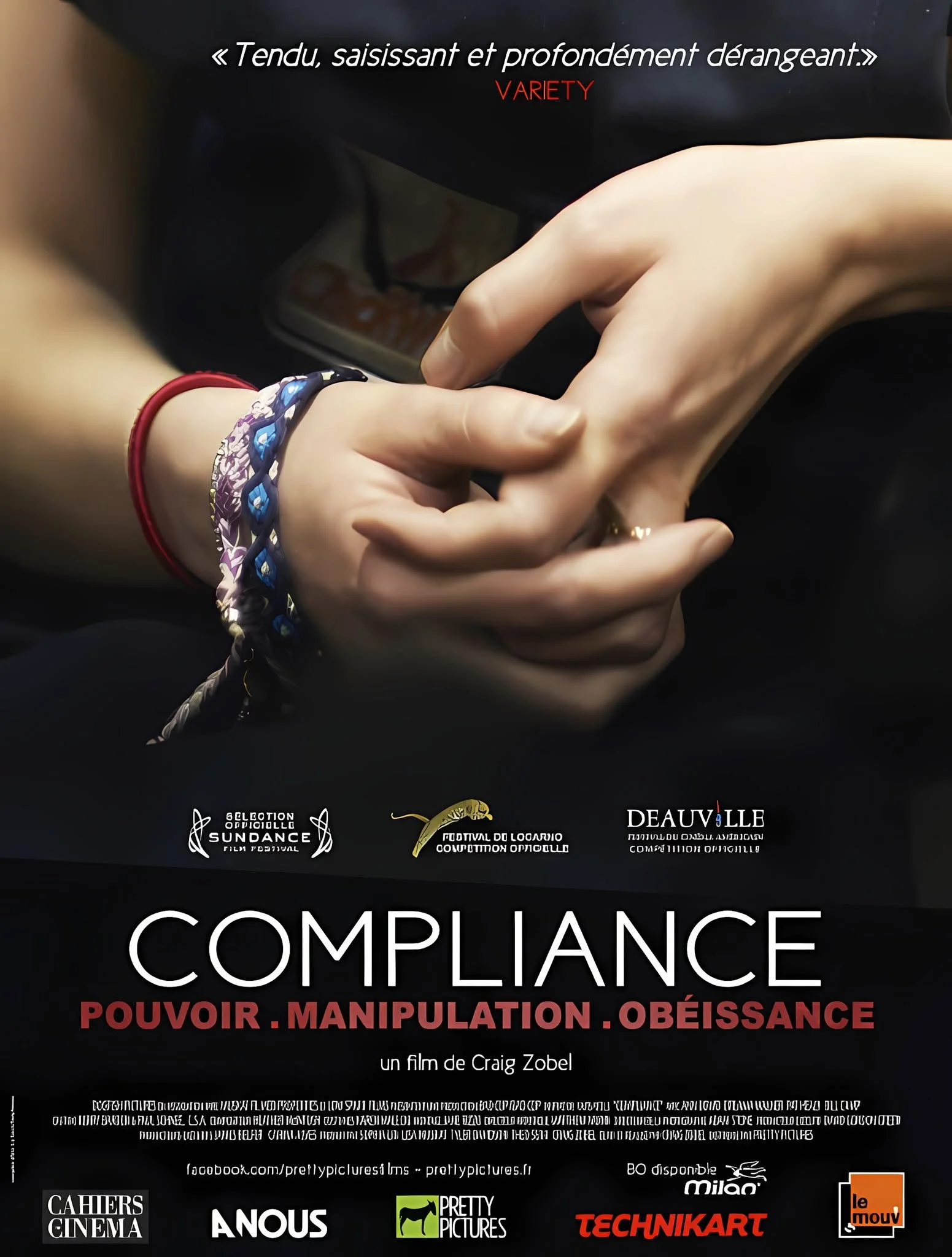
Analytická studie psychologického thrilleru Craiga Zobela zkoumající systémovou poslušnost, Milgramův experiment, kognitivní paralýzu a difúzi odpovědnosti.
An analytical study deconstructing Craig Zobel’s psychological thriller Compliance as the ultimate cautionary memento against systemic submissiveness and the diffusion of responsibility.
Tato studie dekonstruuje psychologický thriller Craiga Zobela Nařčení (Compliance, 2012, stopáž 90 minut) jako mrazivé varovné memento před systémovou konformitou a slepou poslušností. Snímek, který je rekonstrukcí reálného případu ze státu Kentucky, sleduje běžnou páteční směnu ve fastfoodové restauraci. Do podniku zavolá neznámý muž vydávající se za policejního důstojníka a přesvědčí manažerku Sandru, že mladá pokladní okradla zákaznici. Pod rouškou formálního vyšetřování donutí personál dívku uvěznit v zázemí a podrobit ji sérii stupňujících se, extrémně ponižujících prohlídek.
Metodologicky se text zaměřuje na sociálně-psychologický fenomén obedience vůči autoritě, mechanismus difúze odpovědnosti a kognitivní paralýzu oběti. Film dokazuje, že nejnebezpečnějším mocenským nástrojem není fyzická zbraň, nýbrž společenské naprogramování bezvýhradně poslouchat kohokoliv, kdo vystupuje s dostatečně asertivní úřední autoritou.
I. Horizontála fastfoodu a iluze korporátní procedury
Děj je zasazen do banálního, vizuálně sterilního prostředí řetězce rychlého občerstvení, které funguje jako mikrokosmos korporátní společnosti:
- Programování k poslušnosti: Manažerka Sandra je ukázkovým produktem firemního drilu – její prioritou je dodržení směrnic, strach ze ztráty zaměstnání a snaha vyhovět nadřízeným instancím za každou cenu.
- Chladné zářivky reality: Kamera Adama Stonea využívá ploché zářivkové světlo, které eliminuje jakékoliv filmové šerosvity či dramatické stíny. Zobel ukazuje, že moderní zlo nevzniká v temnotě, nýbrž na linoleu pod ostrým bílým světlem v prostředí, kde mechanické plnění úkolů nahradilo etické myšlení.
II. Milgramův experiment a difúze odpovědnosti
Jádrem filmu je přímá manifestace fenoménu, který v 60. letech experimentálně popsal psycholog Stanley Milgram:
- Hlas v telefonu: Anonymní manipulátor nepoužívá fyzické hrozby, ale precizní úřední žargon. Systematicky ujišťuje manažerku, že veškerou právní i morální odpovědnost za nestandardní kroky nese výhradně policie.
- Zbavení viny: Jakmile autorita sejme z jednotlivce břemeno rozhodování („já pouze plním pokyny shora“), morální zábrany se hroutí. Řadoví zaměstnanci se podílejí na týrání kolegyně, protože uvěřili, že jsou pouhými vykonavateli vyšší moci. Slušní lidé nepotřebují k páchání zla nenávist; stačí jim pocit, že jejich jednání má institucionální posvěcení.
III. Past slušnosti a kognitivní paralýza oběti
Film pečlivě pitvá psychologickou paralýzu devatenáctileté oběti Becky:
- Sociální kondicionování: Ačkoliv je postupně nucena svlékat se a podstupovat ponižující úkony, neklade fyzický odpor. Je paralyzována přesvědčením, že autorita dospělých a policie je neomylná a že jakýkoliv projev vzdoru by její situaci jen zhoršil.
- Strach z neslušnosti: Společnost od dětství cvičí jedince k respektování starších a nadřízených. Pro Becky je překročení hranice naučené slušnosti a otevřená vzpoura proti šéfové psychicky obtížnější než snášení samotného ponižování.
IV. Závěr: Nutnost radikální občanské neposlušnosti
Snímek odmítá jakoukoliv hrdinskou katarzi. Manipulativní řetězec je přerušen až ve chvíli, kdy do skladu vstoupí údržbář stojící mimo hierarchii provozu – poslechne si telefonický rozkaz a klidně odpoví: „Ne, tohle dělat nebudu.“
Tento moment představuje klíčové memento: systém má nad člověkem pouze tolik moci, kolik mu jí sám ze strachu a falešné loajality odevzdá. Nařčení je naléhavou obhajobou kritického myšlení a důkazem, že schopnost říci autoritě rozhodné „ne“ zůstává základní podmínkou lidské svobody.
Slovníček pojmů a bibliografie
- Milgramovská obedience: Psychologický jev, kdy jedinec bezvýhradně plní destruktivní rozkazy autority navzdory vlastnímu svědomí, pokud věří, že autorita nese plnou odpovědnost.
- Difúze odpovědnosti: Rozptýlení morálního závazku uvnitř skupiny či hierarchie, kdy se žádný z účastníků necítí být osobně vinen za spáchané činy.
- Kognitivní paralýza: Stav mentálního ochromení oběti způsobený neschopností zpochybnit legitimitu formální autority v nestandardní situaci.
- Korporátní konformismus: Bezpodmínečné podřízení vlastního úsudku firemním procedurám ze strachu ze sociálního či profesního vyloučení.
Bibliografie (Chicago Style):
- Kermode, Mark. “Compliance Review – A Masterclass in the Cinema of Discomfort.” The Observer, March 24, 2013.
- Milgram, Stanley. Obedience to Authority: An Experimental View. New York: Harper & Row, 1974.
- Zimbardo, Philip. The Lucifer Effect: Understanding How Good People Turn Evil. New York: Random House, 2007.
- Zobel, Craig. Compliance: Screenplay and Production Notes. Los Angeles: Magnolia Pictures, 2012.
This study deconstructs Craig Zobel’s psychological thriller Compliance (2012, running time 90 minutes) as the ultimate cautionary memento against systemic submissiveness. The film, a slavishly faithful reconstruction of true events, follows a Friday shift at a fast-food restaurant. A man calling in, posing as a police officer, convinces the manager to lock a young female employee in the back room under the pretense of a theft investigation, gradually subjecting her to an extremely humiliating strip search. Methodologically, the text analyzes the pathology of „obedience to authority,“ the phenomenon of cognitive paralysis, and the diffusion of responsibility. The film is a radical manual for awakening: it proves that the most dangerous systemic tool is not a weapon, but our own social programming to respect anyone who sounds sufficiently assertive and official.
I. The Horizontal of Fast Food and the Illusion of Hierarchy
The film is set in the banal, sterile environment of a fast-food chain, a perfect microcosm of the corporate system.
- The manager, Sandra, is programmed for absolute obedience to superiors and adherence to procedure. This fear for her job and the desire to „comply with the system“ form the fundamental vulnerability.
- Adam Stone’s cinematography intentionally uses flat, almost documentary-style fluorescent lighting, eliminating any cinematic stylization. Pathology here is not born in dark corners, but on linoleum under fluorescent lights. Zobel demonstrates that when you confine a person within a system where individual value is measured solely by following rules, critical thinking dies first.
II. The Milgram Experiment and Diffusion of Responsibility
The core of the film is an absolutely precise application of the phenomenon described by psychologist Stanley Milgram in the 1960s.
- The manipulator on the phone does not use threats of physical violence; he uses bureaucratic language. He constantly reassures the manager that he (as a „police officer“) bears full responsibility for everything.
- The moment the system relieves an individual of moral responsibility („I am just following orders“), an abyss opens. The manager, and later other employees, inflict inexcusable violence on the victim because they have psychologically hidden behind the authority of the voice on the phone. This moment is a crushing warning to all of society: decent people do not need hatred to commit evil; they only need the feeling that they have been given official permission to do so.
III. The Trap of Decency and the Victim’s Paralysis
We also observe the pathology of the victim herself, nineteen-year-old Becky.
- Despite being illegally stripped and humiliated, she puts up no physical resistance. She is paralyzed by the same systemic belief: the manager and the police surely know what they are doing, and if she started screaming, she would „make it worse for herself.“
- The film examines how society trains individuals from childhood to quietly accept discomfort in favor of authority. Becky becomes a co-prisoner in her own destruction because crossing the line of decency and standing up to a boss a generation older is psychologically more impossible for her than enduring the humiliation.
IV. Conclusion: The Necessity of Radical Disobedience
The film offers no relief or heroic catharsis. The manipulation is broken only after several hours, through the most banal counter-action possible: a maintenance worker, who stands outside the strict fast-food hierarchy, takes the phone, listens to the absurd order, and simply answers, „No.“ The film thus functions as a slap in the face and the ultimate awakening. The system and authority have exactly as much power over you as you yourself surrender out of decency and fear. The true societal memento of this film is the absolute imperative of critical thinking: the ability to say „no“ to a superior or authority is a basic survival instinct that modern society must not be allowed to strip from us.
Bibliography / Bibliography (Chicago Style):
- Zobel, Craig. Compliance: Screenplay and Director’s Notes. Magnolia Pictures, 2012.
- Milgram, Stanley. Obedience to Authority: An Experimental View. New York: Harper & Row, 1974.
- Zimbardo, Philip. The Lucifer Effect: Understanding How Good People Turn Evil. Random House, 2007.
- Kermode, Mark. „Compliance Review – A Masterclass in the Cinema of Discomfort.“ The Observer, 2013.