Cloak and Dagger (1946): Věda jako rukojmí, fyziologie násilí a úsvit atomové paranoie
Cloak and Dagger (1946): Science as Hostage, the Physiology of Violence, and the Dawn of Atomic Paranoia
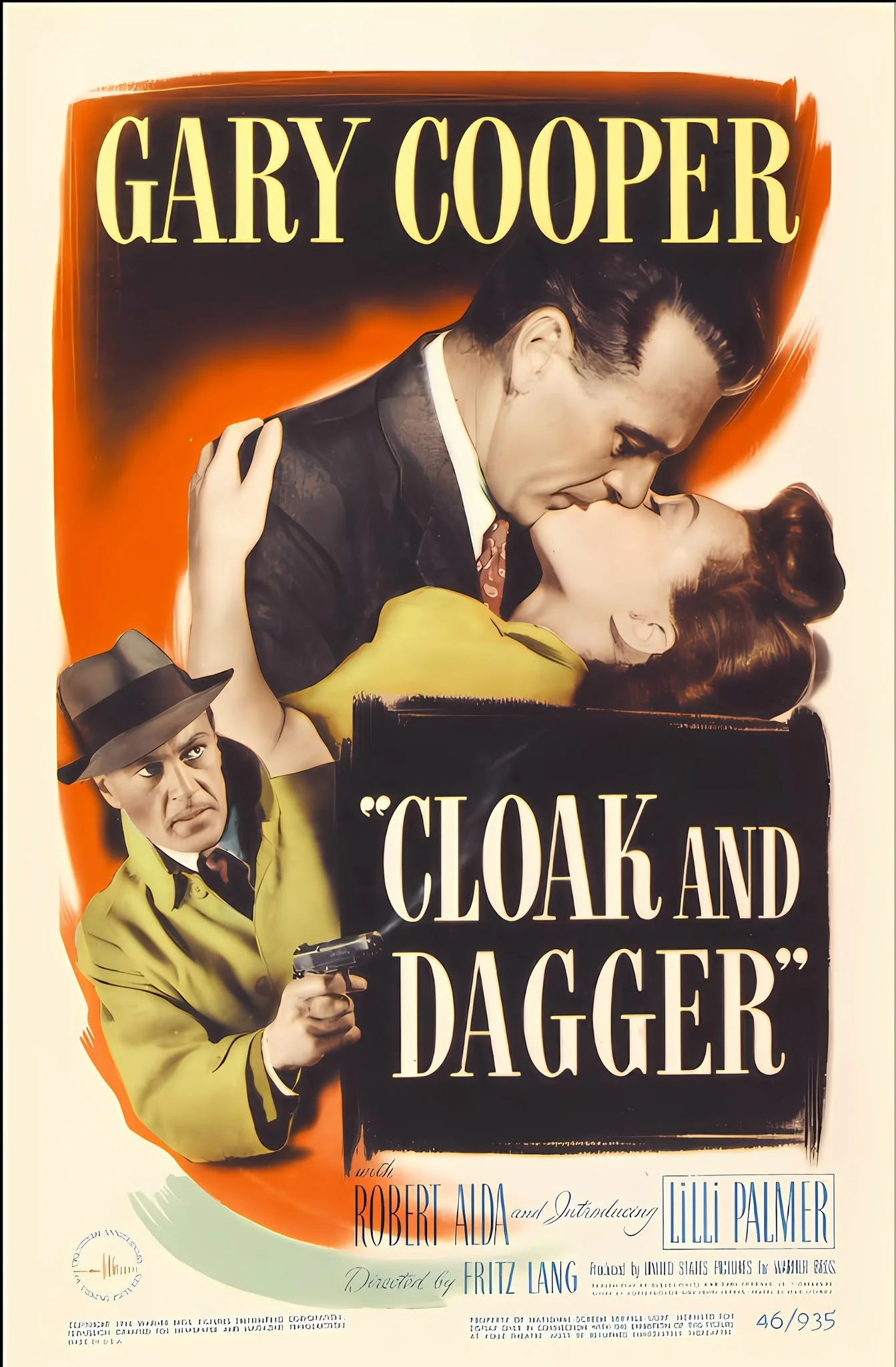
Analytická studie politického špionážního thrilleru Fritze Langa zkoumající atomovou paranoiu, dekonstrukci hrdiny-intelektuála a dopad cenzurních zásahů.
Analytical study of Fritz Lang's political espionage thriller exploring atomic paranoia, the deconstruction of the intellectual hero, and studio censorship.
Snímek Cloak and Dagger (1946, stopáž 106 minut) představuje první bezprostřední reakci Fritze Langa na nově zrozený post-atomový svět. Zatímco jeho předchozí protifašistické tituly bojovaly proti konkrétní totalitní ideologii, zde se primárním nepřítelem stává samotné technologické tajemství a univerzální hrozba globální anihilace. Snímek dekonstruuje mýtus o nedotknutelném akademickém intelektuálovi a vrhá teoretického fyzika do arény animálního násilí, kde přežití závisí na schopnosti adaptovat se na syrovou fyzickou brutalitu.
I. Produkční kontext: Vědec v poli a ztráta nevinnosti
Film vznikl pod hlavičkou nezávislé společnosti United States Pictures v distribuci studia Warner Bros. Na scénáři pracovali budoucí členové perzekvované Hollywoodské desítky Albert Maltz a Ring Lardner Jr., kteří vycházeli z reálných válečných operací úřadu OSS (Office of Strategic Services):
- Antihrdina proti své vůli: Gary Cooper v roli profesora Alvaha Jespera nepředstavuje tradičního elegánního špiona. Je to teoretický fyzik zapojený do projektu Manhattan, který je donucen opustit univerzitní posluchárnu a vydat se do trosek fašistické Evropy, aby kontaktoval klíčové vědce pracující pod nátlakem na německém jaderném programu.
- Konec čisté vědy: Lang tímto castingem tematizuje fatální ztrátu nevinnosti exaktního bádání. Věda přestává být hledáním pravdy a stává se zbraní hromadného ničení.
II. Atomová paranoia a stav permanentní války
Na rozdíl od klasického filmu noir, kde hrozba číhá v konkrétním vrahovi v temném zákoutí, je zde primárním zdrojem úzkosti neviditelná štěpná reakce a odcizená data:
- Vědecké tajemství jako zbraň: Film bezprostředně reagoval na atmosféru po svržení bomb na Hirošimu a Nagasaki. Lang zhmotňuje hrůzu z toho, že samotné fyzikální vzorce v rukou totalitního režimu znamenají konec lidstva.
- Neviditelná fronta: Příběh varuje americké publikum, že porážkou mocností Osy zápas o jadernou dominanci nekončí, nýbrž přerůstá v permanentní studenou válku tajných služeb.
III. Fyziologie násilí: Dekonstrukce hrdiny
Jedním z nejradikálnějších autorských momentů Langovy tvorby je slavný souboj na život a na smrt mezi Jesperem a fašistickým agentem Luigim v italském bytě:
- Absence orchestrálního patosu: Scéna je zcela zbavena dramatické filmové hudby; zvukové stopě dominuje veselá festivalová melodie znějící z ulice. Tento diegetický kontrapunkt ostře kontrastuje s namáhavým lapáním po dechu, drcením kostí a tupými údery těl o nábytek.
- Mechanická dřina zabíjení: Fyzik musí svého soka po vyčerpávajícím boji doslova uškrtit prsty a zlomit mu vaz. Lang zde záměrně dekonstruuje hollywoodský mýtus čistého pěstního souboje – zabití člověka je zobrazeno jako odporná, namáhavá a fyziologicky degradující dřina.
IV. Vizuální geometrie a šachovnice osudu
Kamera Sola Polita rozvíjí langovský motiv přísného kompozičního řádu v podmínkách špionážního realismu:
- Labyrint dlažby: Šachovnicové vzory podlah a ostré stíny v úzkých uličkách připomínají, že jednotlivci jsou pouhými figurkami na geopolitické šachovnici tajných služeb.
- Dramaturgické ticho: Lang mistrovsky využívá momentů absolutního ticha, v nichž tikot hodin či vzdálené kroky stupňují paranoidní tenzi z možného prozrazení.
V. Závěr: Cenzura, zmrzačené finále a odpovědnost vědy
Nejkontroverznější kapitolou snímku zůstává zásah producenta Miltona Sperlinga do jeho závěru:
- Vystřižený epilog: Lang původně natočil mrazivý epilog, v němž Jesper objevuje opuštěnou nacistickou podzemní továrnu a pronáší varování: „Je to rok jedna atomového věku… Bůh nám pomoz, jestli si myslíme, že tohle tajemství udržíme pouze pro sebe.“
- Zmrzačené poselství: Scéna byla před premiérou vystřižena jako příliš levicová a varovná, což film ochudilo o jeho původní pacifistický apel. Přesto Cloak and Dagger zůstává přelomovým dílem mapujícím moment, kdy se noirová poetika definitivně propojila s jadernou paranoiou.
Slovníček pojmů a bibliografie
- Atomová paranoia: Společenský stav existenciálního děsu zrozený po roce 1945, vyvolaný vědomím možnosti okamžitého zániku civilizace jadernou zbraní.
- Fyziologie násilí: Realistické zobrazení fyzického střetu zaměřené na biologickou námahu, vyčerpání a odpornost aktu zabíjení namísto žánrové stylizace.
- Diegetický zvukový kontrapunkt: Užití zvuku vycházejícího z prostředí fiktivního světa (hudba z ulice), který svou bezstarostností dramaticky kontrastuje s tragickým dějem v popředí.
- Permanentní válka (Permanent War): Politicko-filozofický koncept stírající hranice mezi válečným stavem a mírem skrze permanentní vědeckou a zpravodajskou mobilizaci.
Bibliografie (Chicago Style):
- Gunning, Tom. The Films of Fritz Lang: Allegories of Vision and Modernity. London: BFI Publishing, 2000.
- Hansen, Miriam. Cinema and Experience: Siegfried Kracauer, Walter Benjamin, and Theodor W. Adorno. Berkeley: University of California Press, 2012.
- Humphries, Reynold. Fritz Lang: Genre and Representation in His American Films. Baltimore: Johns Hopkins University Press, 1989.
- McGovern, James. OSS: The Secret History of America’s First Central Intelligence Agency. New York: William Morrow, 1972.
Cloak and Dagger (106 min) represents Fritz Lang’s immediate cinematic reaction to the post-atomic world. While his earlier anti-fascist war films fought against a clearly defined ideology, here the primary enemy becomes technological secrecy itself and the ultimate threat of global annihilation. The film deconstructs the myth of the untouchable intellectual, thrusting a theoretical physicist into a world of animalistic violence where survival depends on adapting to raw physical brutality.
Methodological Framework
- Historical Realism: Reflecting the Manhattan Project and the evolving role of scientists in the nuclear age through authentic OSS tactical operations.
- Choreography of Violence: Analyzing the deconstruction of the hero through unsublimated, physiologically exhausting physical conflict.
- Institutional Critique: Examining the impact of studio and censorship interventions on the author’s final political and ethical message.
I. Production Context: The Scientist in the Field
Produced under United States Pictures (and distributed by Warner Bros.), the screenplay was co-authored by future Hollywood Ten members Albert Maltz and Ring Lardner Jr., who drew directly from authentic operations of the Office of Strategic Services (OSS).
Gary Cooper’s Alvah Jesper is not a suave, classic secret agent. He is an unlikely antihero—a theoretical physicist forced by wartime necessity to learn how to kill. Through Cooper’s casting, Lang dramatizes the loss of innocence within American academia.
II. Atomic Paranoia: The Invisible Threat
Unlike classic noirs where the threat is a killer lurking in physical shadows, the primary dread here stems from invisible radiation and encrypted scientific data.
- Knowledge as a Weapon: Produced shortly after the bombings of Hiroshima and Nagasaki, Lang visualizes the anxiety that intellectual property and physical formulas alone could destroy civilization.
- The New Front: Although set in wartime Europe, the narrative serves as a chilling warning to American audiences: the race for scientific supremacy never ends, transforming into a permanent state of cold warfare.
III. The Physiology of Violence: Deconstructing the Hero
One of the most radical sequences in Lang’s American filmography is the brutal fistfight between Jesper and an Italian fascist operative (Marc Lawrence).
- Absence of Dramatic Score: The sequence completely lacks non-diegetic orchestral scoring; it is accompanied only by joyous street festival music filtering through the window. This cheerful rhythm starkly contrasts with gasps for air, breaking furniture, and blunt impacts. Lang explicitly rejects Hollywood’s stylized fight choreography.
- The Banality of Killing: Professor Jesper is forced to physically strangle his opponent to death. This exhausting scene serves as a physiological deconstruction of the subject—pure, refined intellect is forced down into animalistic murder.
IV. Visual Symbolism: The Chessboard of Fate
Cinematographer Sol Polito adapts signature Langian geometry to the demands of the realistic espionage genre.
Checkerboard floor patterns and harsh geometric shadows in Italian alleyways reinforce the idea that characters are mere pawns in an overarching intelligence game. Furthermore, Lang uses silence as an active narrative element to heighten tension during moments of waiting.
V. The Butchered Message: Censorship and the Cut Finale
The most controversial aspect of the film remains its mutilated ending.
- The Original Epilogue: Lang originally shot a grim ending where Jesper and paratroopers discover the ruins of a subterranean Nazi factory, dead concentration camp prisoners, and evidence of a nuclear program. Jesper delivers a warning: “Year One of the Atomic Age… God help us if we think we can keep this secret.”
- Producer Interference: Producer Milton Sperling cut the scene right before the premiere, deeming it politically radical and overly pessimistic. The film thus ends on a conventional rescue cliché, which Lang regarded as a fatal betrayal of his artistic intent.
VI. Conclusion: Intellect in the Rubble and the Birth of Political Paranoia
Cloak and Dagger (106 min) marks the point where classic noir transforms into the modern political thriller. Through Alvah Jesper, Lang defines the deconstruction of the intellectual hero forced to descend into physical brutality. Despite the forced removal of its cautionary epilogue, the film remains a chilling report on scientific responsibility in the atomic age.
Glossary and Bibliography
- Atomic Paranoia: Post-1945 societal anxiety characterized by fear of unseen scientific threats, technological secrets, and global annihilation.
- Physiology of Violence: A realistic approach to depicting physical combat that emphasizes bodily exhaustion, pain, and mechanical effort rather than stylized heroism.
- Permanent War: A state wherein the boundary between peace and war is erased through continuous scientific and technological competition.
- Diegetic Sound Contrast: The intentional juxtaposition of in-universe sound (e.g., festive music) against violent or traumatic actions on screen.
Bibliography (Chicago Style):
- Gunning, Tom. The Films of Fritz Lang: Allegories of Vision and Modernity. London: BFI Publishing, 2000.
- Hansen, Miriam. Cinema and Experience: Siegfried Kracauer, Walter Benjamin, and Theodor W. Adorno. Berkeley: University of California Press, 2012.
- Humphries, Reynold. Fritz Lang: Genre and Representation in His American Films. Baltimore: Johns Hopkins University Press, 1989.
- Maltz, Albert, and Ring Lardner Jr. Cloak and Dagger: Original Screenplay. Archival materials, 1946.
- McGovern, James. OSS: The Secret History of America’s First Central Intelligence Agency. New York: William Morrow, 1972.