Cabiriiny noci (Le notti di Cabiria, 1957): Manuál pro zachování integrity v éře cynismu
Clinical Study of Hope: Nights of Cabiria as a Manual for Preserving Integrity in an Era of Cynicism
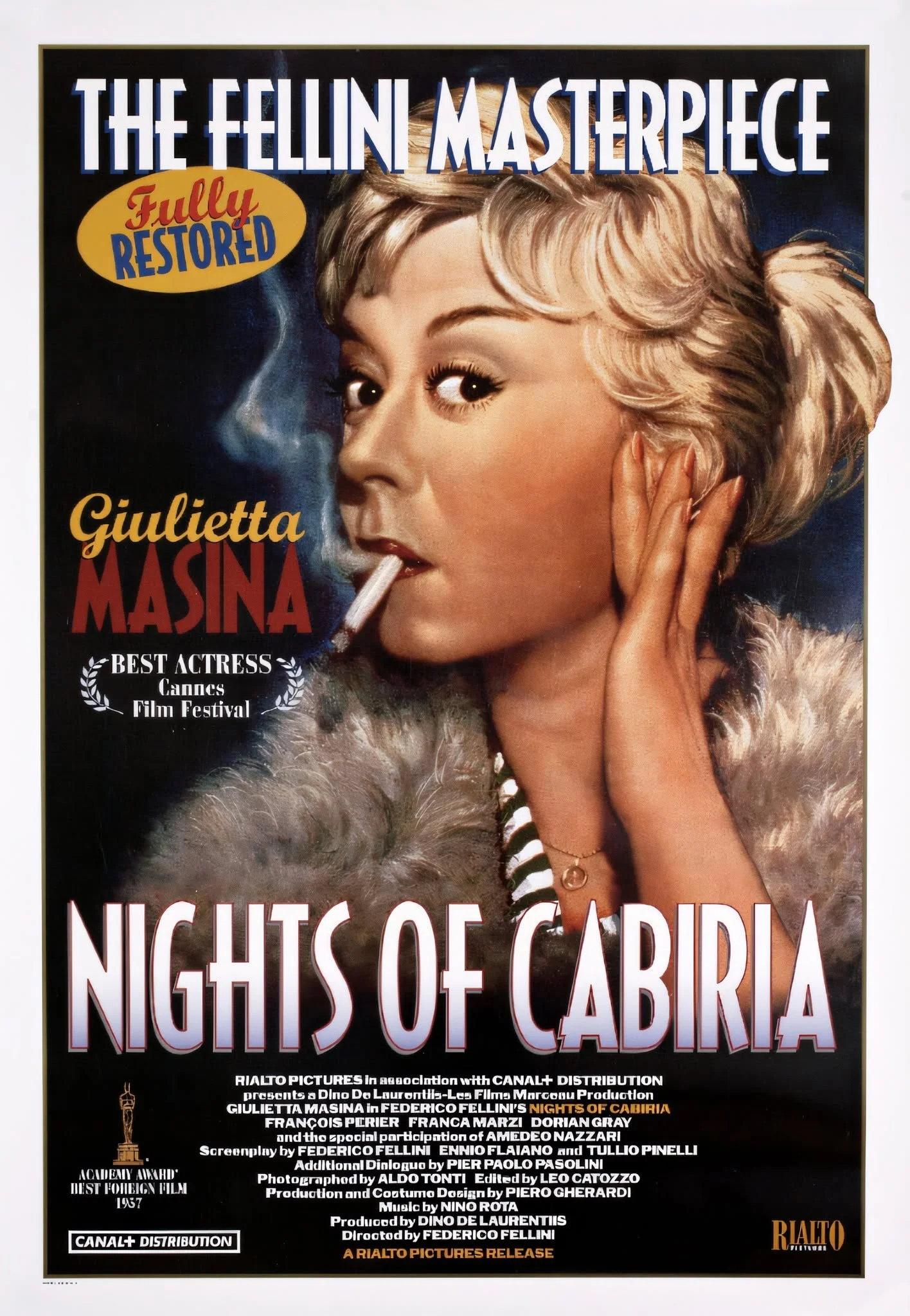
Psychologická analýza Felliniho mistrovského díla zkoumá mechanismy zneužívání důvěry, hledání spasitele a finální znovuzískání lidské suverenity.
A psychological analysis of Fellini's masterwork exploring the mechanisms of trust exploitation, the search for a savior, and the final reclamation of human sovereignty.
Federico Fellini nevytvořil v roce 1957 pouze filmový příběh o římské prostitutce. Cabiriiny noci (Le notti di Cabiria, 1957, stopáž 110 minut) lze číst jako precizní psychologickou pitvu lidské důvěry a mechanismů, jimiž je tato důvěra systematicky zneužívána. Pokud opustíme tradiční filmovědnou kategorizaci a pohlédneme na snímek optikou analýzy moci a manipulace, získáme nekompromisní text o tom, jak snadno jedinec odevzdává svou suverenitu výměnou za iluzi bezpečí.
Tato studie rozkládá Felliniho dílo do tří analytických fází a syntetického závěru, které mapují proces od ztráty ostražitosti až po znovunalezení vnitřní pevnosti.
I. Trvalý deficit bezpečí a poptávka po spasiteli
Cabiria (Giulietta Masina) operuje na samém okraji společnosti. Její domek v pustině za Římem představuje její jedinou hmatatelnou jistotu – její suverénní území:
- Absence institucionální ochrany: Prostředí, ve kterém se pohybuje, je definováno naprostou absencí pevných pravidel. V tomto vakuu vzniká nebezpečný psychologický fenomén: poptávka po rychlém vykoupení.
- Symptom a diagnóza: Cabiria neustále hledá externí řešení svého stavu – ať už jde o filmovou hvězdu, náboženské procesí, nebo zdánlivě slušného úředníka. Film ukazuje, že jedinec vyčerpaný bojem o přežití ztrácí kritický úsudek. Touha po úlevě přehlušuje racionální analýzu rizik; Cabiria ignoruje varovné signály, protože alternativou by bylo přiznat si, že žádný vnější spasitel neexistuje.
II. Veřejná hypnóza jako extrakce zranitelnosti
Klíčovým bodem obratu je varietní představení, kde je Cabiria podrobena hypnóze. Tato scéna je mistrovskou metaforou pro strategickou manipulaci:
- Falešný bezpečný prostor: Hypnotizér nepotřebuje použít hrubou sílu. K ovládnutí oběti mu stačí vytvořit fiktivní arénu bezpečí, v níž oběť sama dobrovolně odevzdá své nejskrytější touhy.
- Těžba nadějí: Pod vlivem sugesce Cabiria tančí a vyznává lásku smyšlenému Oscarovi. Její nejčistší lidské já je obnaženo jako levná zábava pro krutě se bavící dav. Hypnóza zde funguje jako struktura povolení – oběť odloží svou těžce budovanou ostražitost, čímž se stává dokonale zranitelnou pro následný predátorský útok.
III. Architektura zrady na okraji propasti
Zneužití vrcholí příchodem skutečného účetního Oscara (François Périer). Ten využije informací vytěžených během hypnózy a nabídne Cabirii přesně to, po čem touží: respekt, sňatek a bezpečí:
- Likvidace obranných linií: Cabiria v euforickém alibismu prodává dům, ruší své zázemí a veškerý finanční kapitál vkládá do jeho rukou.
- Zhroucení na útesu: Scéna nad jezerem odhaluje, že Oscarův zájem nebyl investicí do budoucnosti, ale chladnokrevnou likvidací jejích zdrojů. Nejde primárně o materiální ztrátu, nýbrž o destrukci významu. Zrada likviduje poslední zbytky víry v existenci dobra a ničí její ontologickou jistotu.
IV. Závěr: Úsměv jako suverénní akt vzdoru
Zatímco klasická tragédie by končila Cabiriiným skokem ze skály, Fellini nabízí řešení definující podstatu lidské odolnosti. Okradená a vnitřně rozbitá Cabiria se vrací lesem na silnici, kde potkává skupinu mladých muzikantů. Její tvář se proměňuje a ona pohlédne přímo do objektivu kamery – přímo na nás:
- Potvrzení integrity: I když jí bylo vzato vše materiální a iluze byly rozdrceny, predátor nedokázal zničit její schopnost být člověkem.
- Konec role oběti: Pohled do kamery znamená, že přestala být pouhým objektem dění a stala se znovu pozorovatelem a tvůrcem svého postoje. Zjistila, že největší silou není majetek, ale to, co jí nelze ukrást – vnitřní kapacita vzdorovat cynismu.
Slovníček pojmů a bibliografie
- Extrakce zranitelnosti: Manipulativní technika, při níž predátor v uměle navozeném pocitu bezpečí získá od oběti intimní informace, které posléze použije k jejímu zničení.
- Struktura povolení: Psychologický rámec, který jedinci umožní odložit přirozené obranné mechanismy výměnou za iluzorní příslib ochrany či přijetí.
- Prolomení čtvrté stěny: Závěrečný přímý pohled herečky do objektivu kamery, který ruší fikční odstup a činí diváka přímým svědkem morálního vítězství.
Bibliografie (Chicago Style):
- Bondanella, Peter. The Films of Federico Fellini. Cambridge: Cambridge University Press, 2002.
- Burke, Frank. Fellini’s Films: From Postwar to Postmodern. New York: Twayne Publishers, 1996.
- Kezich, Tullio. Federico Fellini: His Life and Work. New York: Faber and Faber, 2006.
In 1957, Federico Fellini did not merely create a cinematic story about a Roman prostitute. Nights of Cabiria can be read as a precise psychological autopsy of human trust and the mechanisms through which this trust is systematically exploited. If we abandon traditional film studies categorization and view the picture through the lens of power and manipulation analysis, we obtain an uncompromising text on how easily an individual surrenders their sovereignty in exchange for the illusion of safety.
This study deconstructs Fellini’s work into three analytical phases that map the process from the loss of vigilance to the rediscovery of inner fortitude.
Phase I: The Chronic Deficit of Institutional Security and the Search for a Savior
Cabiria (Giulietta Masina) operates on the absolute margins of society. Her small house in the wasteland outside Rome represents her only tangible security—her sovereign territory. However, the environment she navigates is defined by an absolute absence of solid rules and protection. In this vacuum, a dangerous psychological phenomenon emerges: the demand for rapid redemption.
- Symptom: Cabiria constantly seeks external solutions to her condition. Whether it is a movie star, a religious procession, or a seemingly decent clerk.
- Diagnosis: The film demonstrates that an individual (or society) exhausted by a continuous struggle for survival loses the capacity for critical judgment. The desire for relief drowns out rational risk analysis. Cabiria ignores red flags because the alternative would be to admit that no “savior” exists.
Phase II: Public Hypnosis as the Extraction of Vulnerability
The key turning point is the vaudeville show where Cabiria undergoes hypnosis. This scene is a masterful metaphor for strategic manipulation. The hypnotist does not need to use brute force; to control the victim, he merely needs to create a fictitious, safe space where the victim voluntarily surrenders their most hidden desires.
- Mechanism of Control: Under suggestion, Cabiria dances and professes her love to a non-existent “Oscar”. Her purest human self is laid bare to serve as cheap entertainment for a cruelly amused crowd.
- Application in Reality: This is a textbook model of how predators (whether emotional or political) mine information from human hopes. Hypnosis here functions as a permission structure—the victim is granted permission to drop their hard-won vigilance, making them perfectly vulnerable to the subsequent attack.
Phase III: The Architecture of Betrayal on the Edge of the Abyss
The abuse culminates with the arrival of the actual accountant, Oscar. He utilizes the data “mined” during the hypnosis and offers Cabiria exactly what she desires: respect, marriage, and security. In an euphoric state of alibism, Cabiria sells her house, dismantles her defensive lines, and places all her capital and future into his hands.
- Point of Collapse: The scene on the cliff above the lake is the moment when the illusion crumbles under the weight of reality. Cabiria realizes that Oscar’s interest was not an investment in a shared future, but a cold-blooded liquidation of her resources.
- Outcome: The primary issue here is not the physical threat, but the destruction of meaning. The betrayal annihilates the last remnants of Cabiria’s belief in the existence of good. She loses not only her money, but above all, her ontological certainty.
Epilogue: The Smile as a Sovereign Act of Defiance
While a classical tragedy would end with Cabiria jumping into the lake, Fellini offers a resolution that defines the essence of human resilience. Robbed and internally shattered, Cabiria returns through the dark woods to the road, where she encounters a group of young musicians. Her face slowly transforms, and she looks directly into the camera lens—directly at us.
This iconic smile through tears is not a manifestation of madness, nor a naive return to her original state. It is a profoundly logical act of reclaiming her own sovereignty:
- Confirmation of Integrity: Even though she was stripped of everything material and all illusions were shattered, the predator could not destroy her capacity to be human.
- The End of the Victim Role: Cabiria’s gaze into the camera signifies that she has ceased to be a mere object of events and has once again become the observer and creator of her own stance. She has discovered that her greatest strength is not what she owns, but what cannot be stolen from her—her internal capacity to defy cynicism.
Final Summary
Nights of Cabiria proves that passively waiting for rescue leads to an absolute loss of autonomy. True immunity against manipulators is not born from a belief in happy endings, but from the ability to look destruction in the face, accept the bitterness of realization, and yet refuse to participate in the moral decay of the world.