Brazil (1985): Byrokratická normalita, technická infrastruktura a kolonizace snu
Brazil (1985): Bureaucratic Normality, Technical Infrastructure, and the Colonization of Dreams
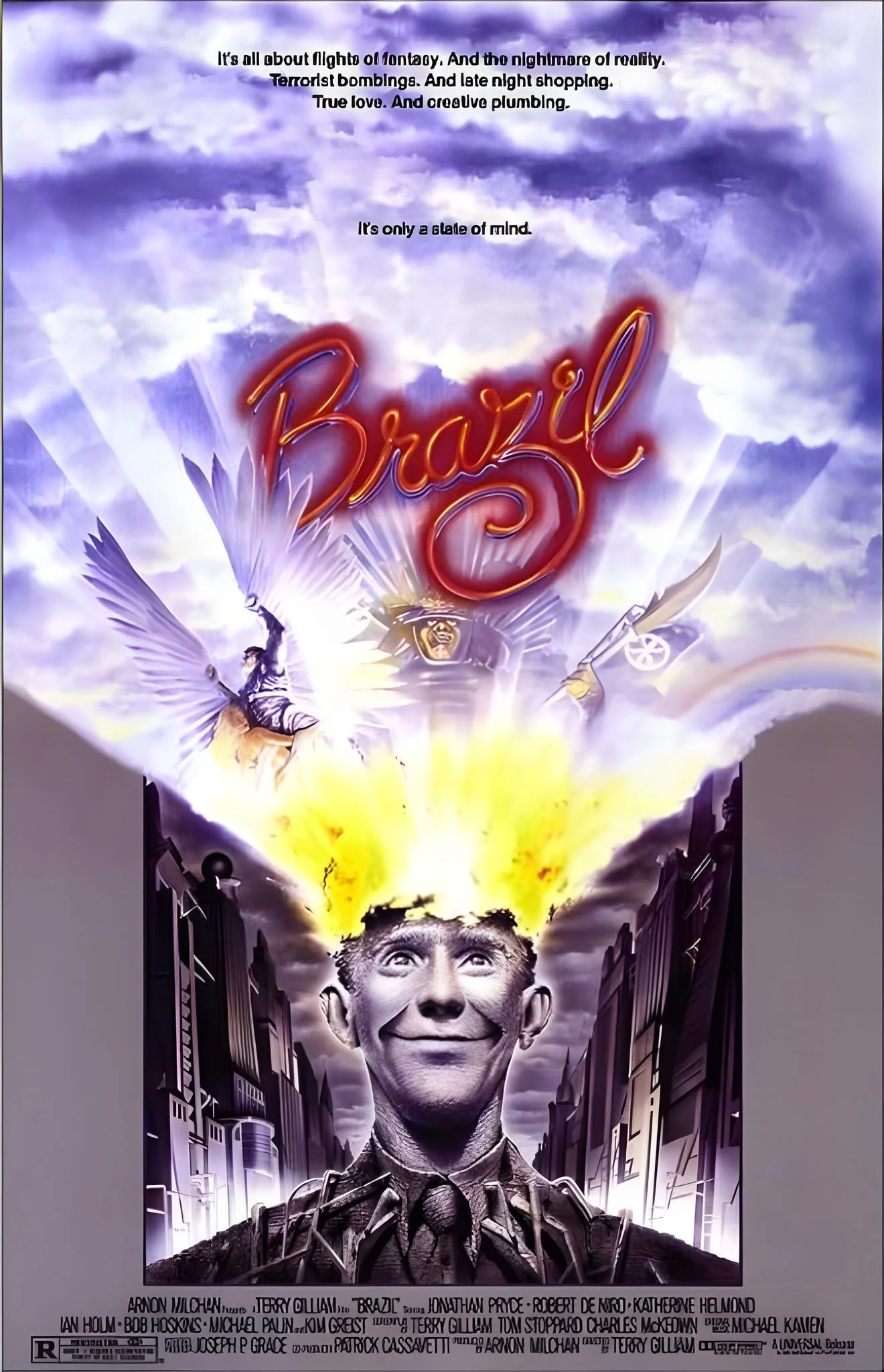
Analytická studie dystopického mistrovského díla Terryho Gilliama, jež zkoumá byrokracii jako autonomní organismus, permanentní odkládání času a selhání úniku do fantazie.
Analytical study of Terry Gilliam's dystopian masterpiece, examining bureaucracy as an autonomous organism, permanent temporal deferral, and the failure of imaginative escape.
Snímek Brazil (1985) v režii Terryho Gilliama představuje jednu z nejvíce vizuálně působivých a myšlenkově hlubokých dystopií moderní kinematografie. Hrůza zde nepramení z krve, monster či otevřené tyranie, nýbrž z chladné byrokratické normality – z fungování systému, který je technicky efektivní, administrativně detailní a lidsky zcela lhostejný.
I. Byrokracie jako autonomní organismus a incident s mouchou
Ústředním hororovým mechanismem filmu je byrokracie chápaná jako svébytná entita, která již nemá konkrétního vůdce či centrum rozhodování:
- Moc bez viníka: Veškeré násilí a lidské tragédie jsou vedlejším produktem chyb v tiskařských formulářích, razítek a drobných technických závad.
- Osudový hmyz: Slavná scéna s mouchou na Ministerstvu informací, kde drobná mechanická odchylka změní jedno písmeno na zatykači (Buttle namísto Tuttle) a vyústí v brutální zatčení a smrt nevinného občana, obnažuje podstatu mechanizované moci zbavené svědomí.
II. Neobyvatelný prostor a temporalita permanentního odkládání
Architektura a prostředí filmu odrážejí absolutní podřízení člověka infrastruktuře:
- Kolonizace prostoru: Interiéry jsou prorostlé chaotickým spletencem klimatizačního potrubí, kabelů a servisních šachet, které zcela ničí hranici mezi soukromým a veřejným prostorem.
- Čas odkládání: Čas neproudí kupředu, nýbrž se neustále odkládá v nekonečných frontách, razítkovacích procedurách a formulářích. Systémový teror spočívá v absenci rozuzlení – nic se nikdy nevyřeší, vše se pouze donekonečna procedurálně posouvá.
III. Únik do fantazie a její konečná kolonizace
Protagonista Sam Lowry (Jonathan Pryce) se nesnaží o aktivní politický odboj, nýbrž hledá útočiště v snových letech se stříbrnými křídly:
- Iluzorní svoboda: Imaginace funguje jako poslední záchvěv lidské individuality a odporu proti administrativní šedi.
- Pád do noční můry: Film však tuto iluzi radikálně dekonstruuje: sny postupně houstnou v noční můry, objevuje se gigantický kovový samuraj a konečný „šťastný únik“ po brutálním mučení v útrobách chladicí věže není osvobozením, nýbrž chemickou a chirurgickou lobotomií.
IV. Závěr: Strukturální horor a triumf procedurální normality
Brazil konstruuje dystopii jako strukturální stav, v němž aparát funguje naprosto bezchybně podle svých vnitřních směrnic – a právě proto je dokonale nelidský. Závěrečný zpěv titulní melodie v Lowryho vyhaslé mysli dokládá, že jediné teritorium, kam státní mašinérie nedosáhne, je stav naprostého šílenství.
Slovníček pojmů a bibliografie
- Technokratická dystopie: Společenské zřízení, v němž je správa věcí veřejných plně podřízena byrokratické efektivitě a instrumentální racionalitě na úkor lidské důstojnosti.
- Iatrogenní selhání systému: Situace, kdy samotné institucionální procedury, formuláře a bezpečnostní aparát produkují chaos a destrukci, jimž měly původně předcházet.
- Kolonizace soukromí: Fyzický průnik technické infrastruktury (servisní potrubí, inspekční šachty) do intimní zóny domova.
Bibliografie (Chicago Style):
- Booker, M. Keith. The Dystopian Impulse in Modern Literature: Fiction as Social Criticism. Westport: Greenwood Press, 1994.
- Kilgore, De Witt Douglas. Astrofuturism: Science, Race, and Visions of Utopia in Space. Philadelphia: University of Pennsylvania Press, 2014.
- McCabe, Bob. Dark Knights and Holy Fools: The Art and Films of Terry Gilliam. New York: Universe Publishing, 2004.
Terry Gilliam’s Brazil (1985) stands as one of modern cinema’s most striking and intellectually rigorous dystopias. The film’s horror does not derive from monsters or overt tyranny, but from the chilling banality of bureaucratic normality—the daily operation of a system that is technically efficient, procedurally meticulous, and profoundly indifferent to human life.
I. Bureaucracy as an Autonomous Organism and the Fly Incident
The central horrific mechanism in Brazil is bureaucracy functioning as an independent entity devoid of a central tyrant or identifiable human decision-maker:
- All systemic violence emerges as a by-product of administrative paperwork, rubber stamps, and minor mechanical errors.
- The iconic sequence at the Ministry of Information—where a stray insect disrupts a teletype machine, altering a single letter on an arrest warrant and leading to the wrongful execution of an innocent man—lays bare a machine operating entirely without malice or accountability.
II. Uninhabitable Spaces and the Temporality of Perpetual Deferral
The physical world of the film mirrors the total subjugation of humanity to administrative infrastructure:
- Interiors are choked by tangled webs of industrial ducts, exposed cables, and ventilation pipes that erase the boundary between private refuge and public surveillance.
- Time does not progress; it circulates endlessly through bureaucratic delays, queues, and paperwork transfers. The horror lies in the absolute absence of resolution.
III. The Flight into Fantasy and Its Ultimate Colonization
Sam Lowry (Jonathan Pryce) bypasses active political resistance, retreating instead into elaborate daydreams of soaring with silver wings:
- Imagination serves as the final bastion of individual autonomy against total integration.
- However, the film ruthlessly undermines this escape: dreams gradually morph into nightmares populated by menacing metallic samurai, revealing that fantasy has been colonized by the exact same logic as reality. The final “happy” illusion following torture is not liberation, but the clinical result of a lobotomy.
IV. Conclusion
Brazil constructs its horror as a structural condition: a world where the system functions flawlessly, and precisely for that reason, remains entirely inhumane.
Glossary and Bibliography
- Technocratic Dystopia: A societal model where governance is entirely subordinated to technical efficiency, administrative bureaucracy, and instrumental rationality, devoid of ethics.
- Systemic Alienation: The structural detachment of individuals from their labor, environment, and agency within an over-regulated apparatus.
Bibliografie (Chicago Style):
- Booker, M. Keith. The Dystopian Impulse in Modern Literature: Fiction as Social Criticism. Westport: Greenwood Press, 1994.
- Kilgore, De Witt Douglas. Astrofuturism: Science, Race, and Visions of Utopia in Space. Philadelphia: University of Pennsylvania Press, 2014.
- McCabe, Bob. Dark Knights and Holy Fools: The Art and Films of Terry Gilliam. New York: Universe Publishing, 2004.