V jako Vendeta (V for Vendetta, 2005): Fenomenologie sémiotické subverze a symbolická guerilla
V for Vendetta (2005): The Phenomenology of Semiotic Subversion and Asymmetric Information Warfare
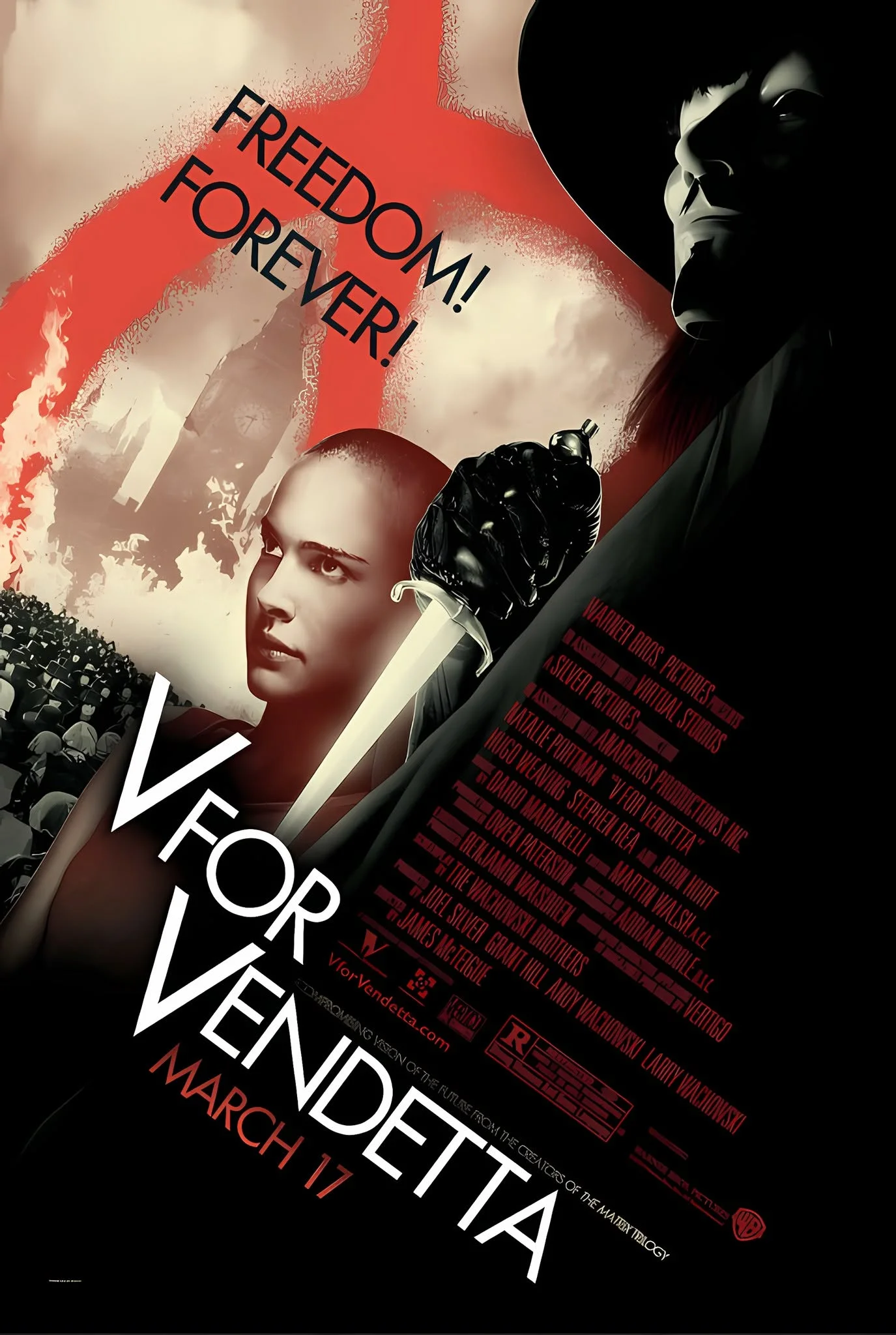
Analytická studie dystopického snímku Jamese McTeiguea a sester Wachowských zkoumající sémiotickou subverzi, prolomení spirály mlčení, Debordovu společnost spektáklu a masku Guye Fawkese jako neprůstřelný symbol.
An analytical study deconstructing the dystopian film V for Vendetta as an instructional model for information and symbolic guerrilla warfare against undemocratic and populist governments.
Dystopický politický thriller V jako Vendeta (V for Vendetta, 2005, stopáž 132 minut) režiséra Jamese McTeiguea, natočený podle scénáře sester Wachowských na motivy kultovního komiksového románu Alana Moorea a Davida Lloyda, představuje jeden z nejvlivnějších kinematografických textů 21. století v oblasti politické filozofie a teorie asymetrického odporu.
Ačkoliv film posunul původní anarchisticko-fašistickou polemiku grafického románu z osmdesátých let do podoby břitké alegorie na post-jedenáctizářijový neokonzervatismus, bezpečnostní stát a mediální manipulaci, jeho teoretická hodnota zůstává univerzální[cite: 98]. Snímek nepředstavuje pouhou komiksovou podívanou; funguje jako precizní model sémiotické subverze, psychologické dekonstrukce totalitní moci a instruktážní ukázka toho, jak lze skrze symbolickou guerillu rozložit autoritářský režim, jenž disponuje absolutním monopolem na fyzické násilí a mediální narativ[cite: 98].
I. Guy Fawkes a myšlenka jako ontologicky nezničitelný konstrukt
Základním filozofickým pilířem filmu je překonání limitů fyzického subjektu[cite: 98]:
- Tělo versus symbol: Maskovaný mstitel „V“ (Hugo Weaving) nevystupuje jako klasický akční superhrdina obdařený nadpřirozenou silou[cite: 98]. Je obětí biologických experimentů v koncentračním táboře Larkhill, jehož fyzické tělo je znetvořeno popáleninami[cite: 98]. V si však neobléká usměvavou masku spiklence Guye Fawkese z roku 1605 proto, aby chránil svou soukromou identitu; nasazuje si ji proto, aby svou lidskou individualitu zcela vymazal[cite: 98].
- Neprůstřelnost ideálu: V klíčové konfrontaci s velitelem tajné policie Creedym formuluje ústřední tezi díla: „Pod touto maskou je víc než pouhé maso. Pod touto maskou je myšlenka, pane Creedy. A myšlenky jsou neprůstřelné.“[cite: 98] Totalitní aparát Nordfire dokáže zničit člověka, uvěznit disidenta či popravit rebela, avšak postrádá mechanismy k eliminaci symbolu, který byl zbaven osobního ega a replikován do vědomí tisíců občanů[cite: 98].
II. Prolomení spirály mlčení a únos státního spektáklu
Politicko-psychologická rovina filmu přesně ilustruje teorii německé socioložky Elisabeth Noelle-Neumannové o tzv. spirále mlčení[cite: 98]:
- Monopol strachu a umělý konsenzus: Režim kancléře Adama Sutlera (John Hurt) vládne skrze monopol nad státní televizí BTN a bezpečnostním aparátem Fingermen[cite: 98]. Využívá biologického viru (který sám tajně vyvinul a vypustil) k vyvolání permanentního strachu populace[cite: 98]. Občané, paralyzováni obavou ze sociální izolace a zatčení, raději mlčí, čímž vzniká falešný dojem, že totalitní diktatura má stoprocentní podporu společnosti[cite: 98].
- Prolomení televizního monopolu: Zlomový moment nastává ve chvíli, kdy V obsadí vysílací věž BTN a odvysílá projev přímo k národu[cite: 98]. Důležitost tohoto aktu nespočívá pouze v obsahu jeho řeči, nýbrž v samotném faktu prolomení státní cenzury v přímém přenosu[cite: 98]. Jakmile miliony izolovaných lidí spatří, že státní spektákl (v intencích Guye Deborda) není neprůstřelný, spirála mlčení praská[cite: 98]. Strach z izolace mizí a začíná proces psychologické emancipace mas[cite: 98].
III. Sémiotická subverze a kulturní jamming v ulicích Londýna
Metodologie odporu v podání hrdiny V představuje mistrovskou ukázku sémiotického zcizení a partyzánského boje se symboly[cite: 98]:
- Přepisování vládního kódu: Vládní propaganda zaplavuje město obřími plakáty se sloganem „Síla skrze jednotu, jednota skrze víru“. V tyto symboly neničí fyzicky; provádí jejich sémiotickou subverzi tím, že na ně sprejuje rudý monogram „V“ v kruhu[cite: 98]. Oficiální plakát se stává plátnem pro vzkaz odporu a režimní investice do propagandy se obrací proti svým tvůrcům[cite: 98].
- Iniciace Evey Hammondové: Přerod mladé televizní pracovnice Evey (Natalie Portmanová) tvoří vnitřní duchovní osu filmu[cite: 98]. Její fingované uvěznění, oholení hlavy a mučení, které pro ni V tajně zinscenuje, nepředstavuje sadismus, nýbrž radikální existenciální očistu od strachu ze smrti[cite: 98]. Scéna na dešti, kdy se Evey s oholenou hlavou nadechuje svobody, vizuálně a významově zrcadlí V-ovo znovuzrození z plamenů Larkhillu[cite: 98]. Jakmile člověk ztratí strach ze smrti, mocenský aparát nad ním ztrácí jakoukoliv vládu[cite: 98].
IV. Závěr: Pochod masek na Parliament a decentralizovaný roj
Závěrečná sekvence z 5. listopadu představuje definitivní triumf symbolické decentralizace moci[cite: 98]:
- Rojová anonymita: V rozešle poštou statisíce masek Guye Fawkese občanům po celé zemi[cite: 98]. V den výročí prachového spiknutí vyrazí k budově britského parlamentu neozbrojený, mlčící zástup občanů oděných ve stejných černých pláštích a maskách[cite: 98]. Vojenské kordony skládají zbraně, protože vojáci odmítají střílet do davu, v němž pod maskou může být jejich matka, bratr či dcera[cite: 98].
- Exploze Westminsteru jako finální akord: Když Evey zatáhne za páku v metru a vlak naložený trhavinou exploduje pod budovou parlamentu za zvuků Čajkovského Předehry 1812, nejde o oslavu terorismu, nýbrž o zničení kamenného symbolu zkorumpované tyranie[cite: 98]. V je mrtev, avšak jeho odkaz žije v celém společenství[cite: 98]. Maska Guye Fawkese se po premiéře filmu stala globálním symbolem občanského odporu (využívaným hnutím Anonymous či hnutím Occupy), což stvrdilo prorockou sílu filmu: dokázal, že kinematografie má moc vygenerovat mýtus, který vystoupí z plátna a promění reálnou politickou skutečnost světa[cite: 98].
Slovníček pojmů a bibliografie
- Sémiotická subverze (Détournement): Umělecká a politická metoda převzetí dominantních kulturních a mocenských symbolů a jejich následné přetvoření tak, aby rozvracely původní autoritářské sdělení[cite: 98].
- Spirála mlčení (Elisabeth Noelle-Neumann): Sociologický fenomén, při němž jedinci potlačují své názory, pokud je vnímají jako menšinové, což posiluje falešnou iluzi všeobecného konsenzu s vládnoucím režimem[cite: 98].
- Společnost spektáklu (Guy Debord): Teorie kritizující moderní kapitalismus a totalitarismus, v nichž jsou autentické mezilidské vztahy a realita nahrazeny proudem prefabrikovaných masmediálních obrazů a hesel[cite: 98].
- Rojová inteligence v odporu: Decentralizovaná forma společenské organizace bez formálního vůdce, kdy autonomní jedinci jednají koordinovaně na základě sdíleného etického symbolu či myšlenky[cite: 98].
Bibliografie (Chicago Style):
- Debord, Guy. La Société du spectacle. Paris: Buchet/Chastel, 1967[cite: 98].
- McTeigue, James, dir. V for Vendetta (Motion Picture). Burbank: Warner Bros. / Silver Pictures, 2005.
- Moore, Alan, and David Lloyd. V for Vendetta. New York: DC Comics / Vertigo, 1990.
- Noelle-Neumann, Elisabeth. The Spiral of Silence: Public Opinion – Our Social Skin. Chicago: University of Chicago Press, 1984[cite: 98].
- Wachowski, Lana, and Lilly Wachowski. V for Vendetta: Screenplay. Burbank: Warner Bros., 2004.
The present study deconstructs the dystopian film V for Vendetta not as an action thriller, but as an instructional model for information and symbolic guerrilla warfare against undemocratic and populist governments. The text strictly separates the original intent of the creators (a comic book polemic on anarchy versus fascism) from the applied analysis (the use of anonymity, hijacking the state narrative). The methodological framework integrates the concept of the „Spiral of Silence“ (E. Noelle-Neumann) and the theory of „The Spectacle“ (G. Debord). The final phase transforms the theoretical framework into applied practice, defining tactics such as culture jamming and weaponized derision, which disrupt the monopoly of power without the need for physical confrontation.
I. Author’s Intent: The Idea as an Indestructible Construct
The film (based on the graphic novel by Alan Moore) was conceptualized as a warning against the apathy of a society that voluntarily surrenders its freedom in exchange for protection from a fabricated danger.
- Artistic Vision: The creators’ intent was to demonstrate that in the face of absolute control, the individual fails if they fight solely as a physical entity. A physical entity can be arrested, discredited, or killed.
- The Catalyst of Resistance: The protagonist „V“ hides his face behind a Guy Fawkes mask not to protect himself, but to shed his personal identity and become a symbol. From the author’s perspective, the primary message is the premise that ideas, unlike people, are bulletproof. An authoritarian apparatus can destroy a human being, but it cannot destroy a symbol that is adopted and replicated by thousands of other citizens.
II. Analytical Interpretation: Breaking the „Spiral of Silence“
When applying political psychology to the plot, the targeted destruction of the sociological phenomenon known as the Spiral of Silence is identified.
- Theoretical Framework: Sociologist Elisabeth Noelle-Neumann defined that humans possess an instinctive evolutionary fear of isolation. If they believe their opinion is in the minority, they prefer to remain silent. Authoritarian governments and populists, by dominating the media space, create an artificial illusion of absolute consensus. This forces the opposition into silence, even if this opposition constitutes the factual majority.
- Analytical Mechanism in the Narrative: The government’s monopoly on truth is shattered in the film when the protagonist „hijacks“ the national television broadcast. From a cognitive standpoint, it is not primarily important what exactly he says, but the very fact that he disrupted the monopoly of power. This sends a signal to all isolated citizens. The spiral of silence is broken, citizens lose their fear of isolation, and the psychological foundation of the system collapses before the physical one does.
III. The Context of Civil Guerrilla: Semiotic Subversion
For the purposes of non-violent resistance, it is necessary to filter out physical aggression and focus on the concept of Semiotic Subversion (appropriating and twisting the symbols of power).
- The Mechanism of The Spectacle: According to philosopher Guy Debord, modern power operates through „The Spectacle“ (ubiquitous images, slogans, logos), which replaces authentic reality.
- Application to the Narrative: The protagonist does not destroy this spectacle exclusively with brute force; he rewrites it. Spray-painting the „V“ symbol on government posters does not change the physical nature of the paper, but it changes the meaning in the minds of the viewers. Government propaganda paradoxically becomes a canvas for a message of resistance and a tool for its own deconstruction.
IV. Applied Practice: Information Guerrilla in Zone Zero
Based on the analysis, a model of asymmetric guerrilla warfare operating exclusively in the information and cultural space is defined. The goal is to disrupt the regime’s illusion of untouchability and exhaust its resources while minimizing legal and physical risk to the actor.
- Culture Jamming (Subvertising): The tactic of visual recontextualization of public space.
- Execution: The subject does not utilize their own limited resources to spread messages, but rather parasitizes the billion-dollar budgets of the system itself. Using marginally invasive interventions (stickers adding missing facts, QR codes leading to independent sources), they alter official posters and billboards. The original message of power is thus subverted, becoming a carrier of mockery directed at its own creator.
- Weaponized Derision: Undemocratic and populist systems are fundamentally built on threat and forced reverence for the leader. Fear is difficult to overcome, but mockery is cognitively stronger than fear.
- Execution: The manipulator must never be taken seriously. The civil guerrilla creates absurd memes, parody accounts, and sarcastic caricatures. Laughter biologically lowers societal cortisol (stress) levels. Once the population begins laughing at the leader en masse, their aura of the omnipotent protector vanishes irreversibly. The apparatus cannot combat a joke with repression without appearing even more absurd.
- Algorithmic Hijacking: An asymmetric attack on the digital communication infrastructure without utilizing hacking.
- Execution: Subjects in an organized manner utilize official government or populist hashtags and slogans, but attach content to them that refutes the official narrative. If the apparatus launches a PR campaign, the guerrilla floods this digital space with real data and evidence of failure. The promotional algorithm of the networks thus paradoxically distributes dissentient content.
- Decentralized Anonymity (The Mask Principle): The elimination of central management makes it impossible for the system to target repression.
- Execution: Civil guerrilla actions exhibit an „open-source“ character. A flyer design or concept is created and shared anonymously on the network. Replication and physical distribution are carried out by thousands of isolated individuals acting on their own volition. The regime possesses tools to destroy a specific person (a leader), but lacks the mechanisms to halt swarm intelligence acting autonomously based on a shared symbol.
V. Conclusion: The Bulletproof Nature of the Swarm
The definitive deconstruction of asymmetric resistance demonstrates that the greatest vulnerability of any manipulative system is its absolute dependence on PR, narrative control, and feigned infallibility. If the civil guerrilla abandons the idea of symmetric physical confrontation and focuses exclusively on information contamination and the destruction of the story the system tells about itself, its pressure becomes unstoppable. Malicious laughter, a recontextualized poster, and weaponized satire can dismantle authority more effectively than any weapon.
Glossary of Technical Terms:
- Spiral of Silence: A sociological theory (E. Noelle-Neumann) describing the tendency of people to remain silent and not express their opinions if they believe it is a minority view in society. This leads to the false impression that the dominant opinion has absolute support.
- The Spectacle: A philosophical concept (G. Debord) defining a state where authentic reality has been replaced by mere representations (images, slogans, the marketing of power).
- Culture Jamming (Subvertising): A form of guerrilla communication that disrupts dominant media culture and propaganda, typically by altering a logo or slogan to reveal the true nature of the message.
- Semiotic Subversion (Détournement): The process of taking an existing cultural symbol of power and deliberately twisting its meaning so that the symbol attacks its own creator.
- Swarm Intelligence: Decentralized, self-organizing behavior of a large number of individuals who act without central direction or a leader, yet together form a highly effective force.
Bibliography:
- Noelle-Neumann, Elisabeth: The Spiral of Silence: Public Opinion - Our Social Skin. University of Chicago Press, 1984.
- Debord, Guy: La Société du spectacle. 1967.
- Lasn, Kalle: Culture Jam: The Uncooling of America. Eagle Brook, 1999.
- Eco, Umberto: Towards a Semiological Guerrilla Warfare. 1967.