Zpráva (The Report, 2019): Byrokratická rezistence, informační asymetrie a anatomie mučení
The Report (2019): The Anatomy of Bureaucratic Disobedience and the Weaponization of Information
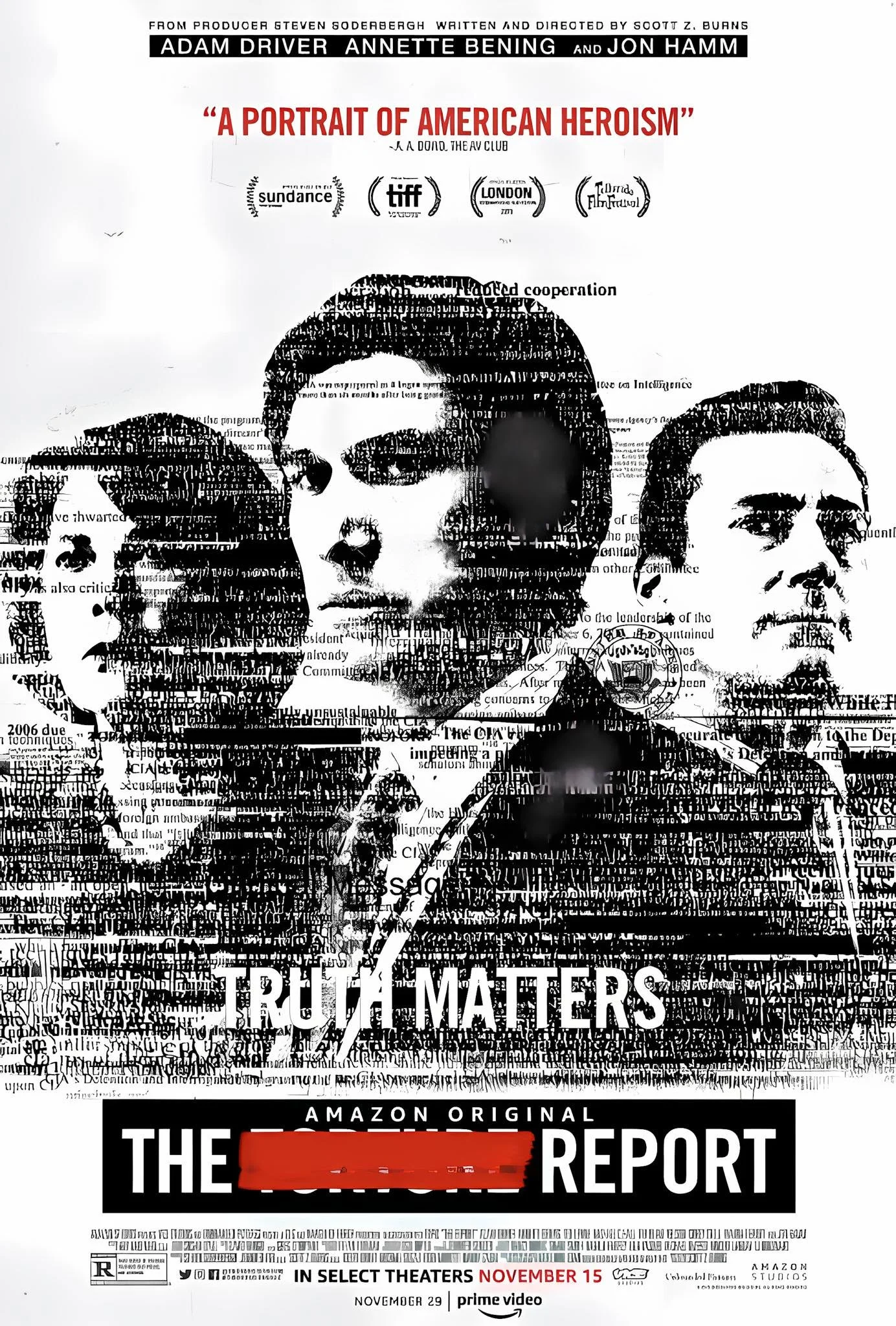
Analytická studie procedurálního dramatu Scotta Z. Burnse zkoumající vyšetřování programu mučení CIA, zlomyslnou poslušnost, informační asymetrii a legální mechanismy institucionální rezistence.
An analytical study of Scott Z. Burns' procedural drama exploring malicious compliance, information asymmetry, and legal mechanisms of resistance.
Procedurální politické drama scenáristy a režiséra Scotta Z. Burnse Zpráva (The Report, 2019, stopáž 119 minut) rekonstruuje skutečné mnohaleté vyšetřování programu tzv. „zvláštních vyšetřovacích metod“ (Enhanced Interrogation Techniques) provozovaného Ústřední zpravodajskou službou (CIA) po útocích z 11. září 2001. Snímek však nepřistupuje k látce jako k tradičnímu politickému thrilleru se špionážními honičkami a dramatickými konfrontacemi.
Představuje precizní a neúprosnou studii institucionální rezistence a byrokratické sabotáže zevnitř demokratického systému. Prostřednictvím hlavního hrdiny, senátního vyšetřovatele Daniela J. Jonese (Adam Driver), film dokazuje, že nejúčinnější zbraní proti zneužívání exekutivní moci není ozbrojený radikalismus ani unáhlené mediální úniky, nýbrž pedantická analýza interních dat a strategie zlomyslné poslušnosti uplatněná uvnitř samotného administrativního aparátu.
I. Informační ofenziva: Podzemní kancelář a šest milionů stran
Základní strategickou rovinou filmu je budování absolutní informační převahy nad mocenskou strukturou[cite: 129]:
- Izolace v suterénu: Jones je se svým malým týmem umístěn do bezokenní podzemní kanceláře CIA ve virginském Langley[cite: 129]. Agentura mu poskytne přístup k více než šesti milionům stran interních kabelogramů, e-mailů a operačních zpráv v přesvědčení, že v tak gigantickém objemu dat se vyšetřovatelé ztratí a vygenerují neškodnou formální zprávu[cite: 129].
- Rozbití difúze odpovědnosti: Jones tento předpoklad naruší tím, že data nepodrobí namátkové kontrole, nýbrž provede jejich kompletní křížovou revizi[cite: 129]. Získává drtivou informační asymetrii – zná interní komunikaci CIA lépe než její aktuální ředitelé[cite: 129]. Když agentura tvrdí, že brutální techniky (waterboarding, spánková deprivace, podchlazení, confinement box) vedly k odhalení klíčových teroristických spiknutí, Jones z jejich vlastních kabelogramů prokazuje, že veškeré zásadní informace byly získány standardními výslechy dávno před nasazením tortury[cite: 129].
II. Zlomyslná poslušnost (Malicious Compliance) jako legální sabotáž
Postup Daniela Jonese představuje učebnicovou ukázku institucionálního procesu zvaného malicious compliance[cite: 129]:
- Puntičkářství jako zbraň: Když systém po úředníkovi vyžaduje sepsání zprávy s cílem zamést pochybení pod koberec, Jones zadání uposlechne s absolutní, fanatickou doslovností[cite: 129]. Místo stručného shrnutí vytvoří monumentální sedmitisícistránkový dokument podložený více než pětatřiceti tisíci poznámkami pod čarou, citujícími výhradně interní materiály samotné CIA[cite: 129].
- Paralýza aparátu: Vedení CIA ani Bílý dům nemohou Jonese obvinit z podjatosti či fabrikace důkazů – zpráva stojí na jejich vlastních slovech[cite: 129]. Systém je paralyzován svou vlastní byrokratickou přesností[cite: 129].
III. Strategická litigace versus mediální únik
Klíčovým etickým dilematem filmu je volba mezi legální institucionální cestou a radikálním aktivismem[cite: 129]:
- Odmítnutí snowdenovského gesta: Když se zdá, že CIA a Obamova administrativa vydání zprávy definitivně zablokují, novinář deníku The New York Times nabízí Jonesovi možnost dokumenty tajně zkopírovat a vynést do médií[cite: 129]. Jones tuto cestu vědomě odmítá[cite: 129]. Uvědomuje si, že porušením zákona by se stal snadným terčem trestního stíhání a debata by se od brutálních zločinů CIA přesunula k jeho údajné zradě[cite: 129].
- Využití ústavních pojistek: Místo toho Jones vytrvale spolupracuje se senátorkou Dianne Feinsteinovou (Annette Beningová) a využívá pravomoci Senátního výboru pro zpravodajské služby[cite: 129]. Tlakem na oficiální odtajnění a využitím ústavní imunity členů Kongresu dosáhne legálního publikování pětisetstránkového odtajněného shrnutí zprávy přímo do parlamentního protokolu[cite: 129].
IV. Psychologický rozklad a privatizace mučení
Snímek podává nemilosrdnou diagnózu toho, jak státní aparát podléhá šarlatánství pod rouškou národní bezpečnosti:
- Kontraktoři Mitchell a Jessen: Program mučení nebyl navržen zkušenými kriminalisty, nýbrž dvojicí externích psychologů (James Mitchell a Bruce Jessen), kteří nikdy nevedli reálný výslech a své teorie o „naučené bezmoci“ z pokusů na psech prodali CIA za osmdesát milionů dolarů.
- Institucionální zbabělost: Film odhaluje, že nejvyšší patra vlády věděla o neúčinnosti tortury, avšak ze strachu z přiznání chyby program udržovala v chodu[cite: 129]. Mučení nebylo nástrojem obrany; sloužilo jako alibi pro politiky usilující o krytí vlastních selhání.
V. Závěr: Papír jako nejostřejší zbraň demokracie
Zpráva přináší zásadní memento pro moderní právní stát[cite: 129]:
- Triumf vytrvalosti: Sedm let osamělé práce v suterénu bez denního světla, ztráta osobního života a neustálé výhrůžky stíháním nepřinesly Jonesovi slávu ani bohatství[cite: 129]. Přinesly však nezpochybnitelný historický záznam, který zabránil tomu, aby se státem posvěcené mučení stalo normalizovanou praxí západních demokracií.
- Odkaz: Burnsův snímek dokazuje, že síla demokracie nespočívá v absenci chyb, nýbrž v existenci institucionálních mechanismů a odvážných jednotlivců, kteří dokáží přinutit mocenské aparáty složit účty z vlastních činů[cite: 129].
Slovníček pojmů a bibliografie
- Zlomyslná poslušnost (Malicious Compliance): Strategické chování, při němž jednotlivec plní předpisy a nařízení natolik rigorózně a doslovně, až tím paralyzuje fungování či záměr nadřízeného aparátu[cite: 129].
- Informační asymetrie: Stav, kdy jedna strana sporu disponuje zásadně podrobnějšími a hlubšími znalostmi interních faktů než protistrana, což jí poskytuje strategickou výhodu[cite: 129].
- Zvláštní vyšetřovací metody (EIT): Eufemistické označení pro program systematického fyzického a psychického mučení podezřelých z terorismu, schválený administrativou George W. Bushe po roce 2001[cite: 129].
- Strategická litigace: Využití oficiálních právních a parlamentních procedur k vyvolání systémové změny a demaskování nezákonného chování státních složek[cite: 129].
Bibliografie (Chicago Style):
- Burns, Scott Z., dir. The Report (Motion Picture). Los Angeles: Vice Studios / Amazon Studios, 2019.
- Danner, Mark. Torture and Truth: America, Abu Ghraib, and the War on Terror. New York: New York Review Books, 2004.
- Jones, Daniel J. The Senate Intelligence Committee Report on Torture: Committee Study of the Central Intelligence Agency’s Detention and Interrogation Program. Washington, D.C.: Senate Select Committee on Intelligence / Melville House, 2014[cite: 129].
- McCoy, Alfred W. A Question of Torture: CIA Interrogation, from the Cold War to the War on Terror. New York: Metropolitan Books, 2006.
The present study analyzes the procedural drama The Report, which reconstructs the actual investigation into the CIA’s torture program (Enhanced Interrogation Techniques). The film is deconstructed here not as a historical document, but as an instructional model of legal civil disobedience and bureaucratic sabotage. Through the protagonist, Senate investigator Daniel Jones, it is demonstrated how the law, administrative processes, and absolute informational superiority can be utilized to paralyze a system possessing unlimited executive power. The study proves that the greatest threat to manipulative structures is not an armed rebel, but a pedantic official employing methods of malicious compliance.
I. The Information Offensive as a Primary Weapon
The film details the application of a so-called information offensive. Within a democratic rule of law (typically realized through Freedom of Information Acts), this is a process where the system is compelled to release its own data for scrutiny, turning information into a tool of defense against the abuse of power.
- Application in the Narrative: The protagonist possesses neither weapons nor media influence. He is placed in a windowless basement with six million pages of internal CIA documents. His sole weapon is the methodical analysis of this data.
- Analytical Mechanism: The system (CIA) relies on the premise that the volume of data is so enormous that it precludes a complete review, thereby creating an artificial diffusion of responsibility. This assumption is shattered by the subject. Through meticulous cross-referencing, information asymmetry is achieved. Once the investigator knows the system’s internal data better than the system itself, he gains legal and strategic control over it.
II. Bureaucratic Friction and “Malicious Compliance”
Within the study, the protagonist’s behavior is identified as the ultimate manifestation of legal sabotage.
- Definition of the Process: Malicious compliance is a state where a subordinate executes an order from a superior or a system so literally, pedantically, and exhaustively that it causes the failure of the original intent.
- Application in the Narrative: Jones is tasked with drafting a report on CIA practices. A bureaucratic formality is expected, intended to “sweep the problem under the rug.” However, the subject obeys the directive with absolute, fanatical literalness. He creates a 7,000-page document built exclusively on the agency’s own internal memos. The agency is paralyzed because it cannot legally act against Jones—he was merely “doing his job.”
III. Institutional Pressure and Legal Exile
The film demonstrates the fundamental difference between activism and strategic litigation (institutional pressure).
- Rejection of Illegality: During the plot, Jones is offered the opportunity to steal the documents and leak them to journalists (a reference to Edward Snowden-style leaks). The subject rejects this option. He analyzes that if he breaks the law, the system will brand him a traitor, and the report’s content will be discredited.
- Utilization of Systemic Safeguards: Instead, the legal mandate of the Senate Intelligence Committee is utilized. Pressure is applied through official hearings, legal clauses, and declassification processes. From the perspective of this analysis, this demonstrates that even a deeply corrupted system contains legal safeguards that can be activated by persistent, non-emotional pressure.
IV. Applied Practice: Transferring the Film Model to Zone Zero
Daniel Jones’s methodology provides an exact template for applying legal mechanisms of resistance in everyday life against populist and manipulative efforts by authorities or corporations:
- Weaponization of Bureaucracy: If unethical or deceitful participation is demanded of the subject (e.g., within employment), the subject does not refuse to act, thereby avoiding penalties. Instead, they demand detailed written instructions, cite regulations, and request legal assessments. A system of lies requires speed and silence; bureaucratic pedantry creates paralyzing friction and delays.
- Data Collection and the Information Offensive: The subject builds their own informational superiority. They record communications, analyze contradictions in the statements of manipulators, and use legal tools (like FOIA requests) to obtain facts, which are then used to confront false claims (mirroring facts against propaganda).
- The Game of Endurance (Starving the Opponent): The film covers a timespan of several years. Legal disobedience does not provide the immediate dopamine rush of a street protest. It requires cold, persistent pressure, relying on the fact that sooner or later, the manipulator will make a procedural error that legally exposes and destroys them.
V. Conclusion: Paper as the Sharpest Weapon
The presented analysis of the film The Report demonstrates that effective disruption of a system does not have to occur outside of it. The subject utilized the very essence of bureaucracy (paperwork, directives, committees) as a weapon against its creators. This validates the premise that legal mechanisms of cognitive self-defense and civil disobedience—when applied with surgical precision and devoid of emotional fluctuations—are a devastating tool for defending transparency and democratic principles.
Glossary and Bibliography
- Malicious Compliance: A form of resistance where an individual strictly and literally adheres to rules and orders, knowing that this pedantic compliance will lead to dysfunction or damage to the system that issued the rules.
- Information Offensive: The targeted use of legal tools (e.g., Freedom of Information laws) to force transparency, making it impossible for institutions to hide compromising data behind a wall of silence.
- Information Asymmetry: A condition where one party possesses a significantly larger or more accurate volume of information than the other, providing a strategic advantage in decision-making.
- Procedural Drama: A narrative genre focused on the detailed and realistic depiction of professional processes (investigative, legal) to achieve a goal, where tension is generated by the methodical solving of a problem rather than action scenes.
- Strategic Litigation / Institutional Pressure: The planned use of lawsuits or legal processes (committees, regulatory bodies) with the aim of achieving broader systemic change and blocking the illegal actions of power structures.
Bibliografie / Bibliography (Chicago Style): Jones, Daniel J.: The Senate Intelligence Committee Report on Torture. Melville House, 2014. Merton, Robert K.: Social Theory and Social Structure. Free Press, 1968. Act No. 106/1999 Coll., on Free Access to Information (Czech Legislative Framework).