Utrpení Panny orleánské (La Passion de Jeanne d'Arc, 1928): Tvář jako krajina a anatomie absolutna
The Passion of Joan of Arc (1928): The Anatomy of the Absolute
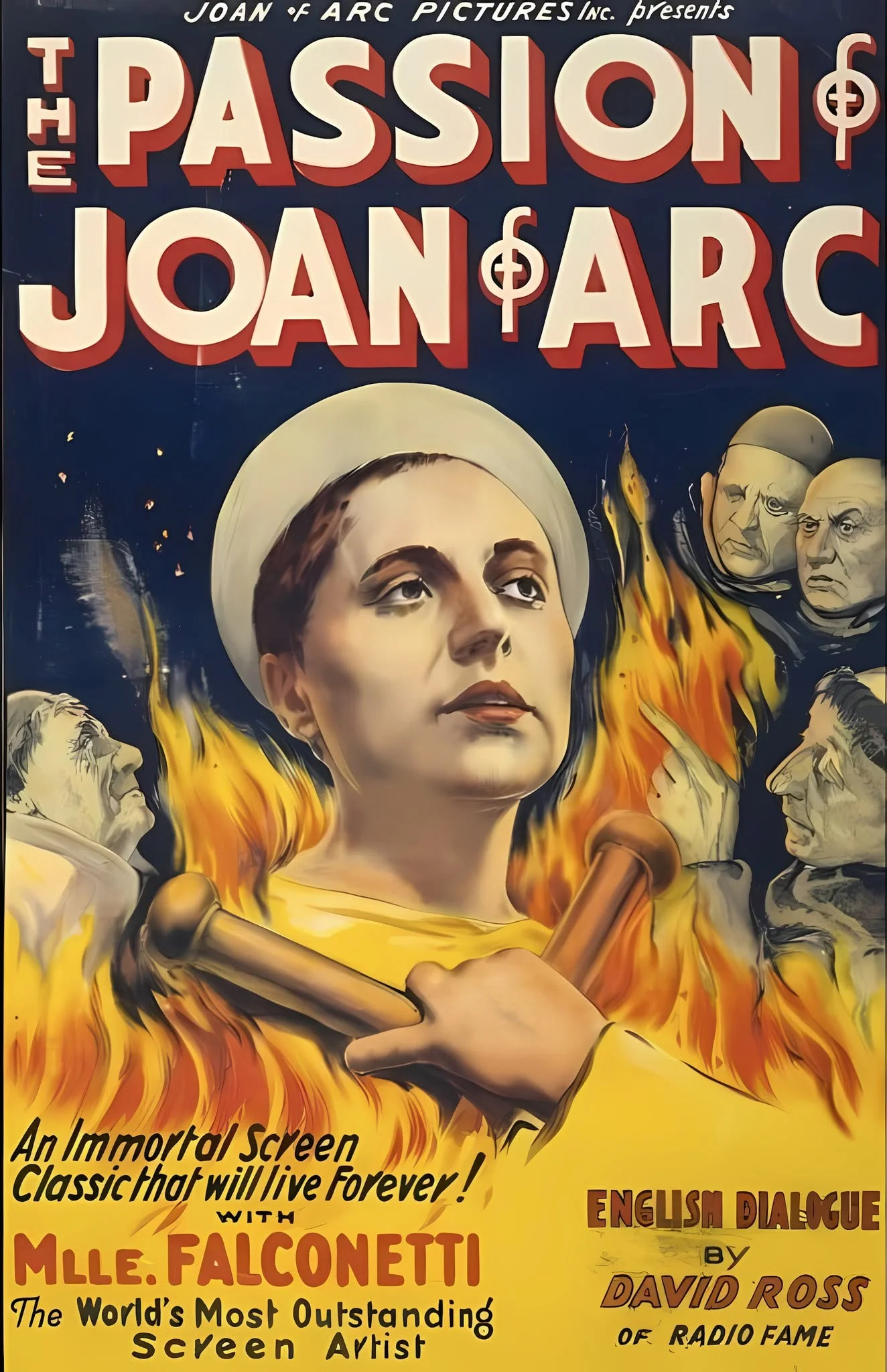
Analytická studie mistrovského díla Carla Theodora Dreyera zkoumající dekonstrukci prostoru, Rudolphovu kameru extrémních detailů, tvář Renée Falconettiové a transcendentální odpor.
An analytical study of Carl Theodor Dreyer's silent masterpiece exploring the deconstruction of space, the face as a spiritual battlefield, and the geometry of oppression.
Němý mistrovský snímek dánského režiséra Carla Theodora Dreyera Utrpení Panny orleánské (La Passion de Jeanne d’Arc, 1928, stopáž 82 minut) představuje jeden z absolutních vrcholů světové kinematografie a radikální epistemologický bod nula filmového média. Dreyer odmítl konvenční historickou výpravnost, bitevní scény i dekorativní patos dobových velkofilmů.
Vycházeje z autentických latinských a francouzských soudních protokolů z procesu v Rouenu roku 1431, zredukoval dramatický konflikt na komorní, klaustrofobickou a spirituální konfrontaci mezi rigidním dogmatismem církevní instituce a čistou vnitřní vírou osamělé venkovské dívky. Film demonstruje, že nejstrašnější a nejhlubší bojiště lidských dějin se neodehrává na válečném poli, nýbrž v mikrokosmu lidské tváře, před níž pozemská mocenská mašinérie ztrácí svou autoritu[cite: 127].
I. Tvář jako jediná krajina a revoluce extrémního detailu
Dreyer a jeho geniální kameraman Rudolph Maté (budoucí oscarový hollywoodský kameraman a režisér) provedli revoluci ve filmové syntaxi tím, že z vyprávění téměř zcela odstranili ustavující záběry (establishing shots)[cite: 127]:
- Zrušení prostorové orientace: Divák je zbaven možnosti ukotvit se v přehledném interiéru[cite: 127]. Fyzická architektura soudní síně mizí ve prospěch nepřetržitého proudu extrémních detailů (extreme close-ups)[cite: 127].
- Tělesnost bez make-upu: Dreyer zakázal veškerá filmová líčidla a masky[cite: 127]. Tvář francouzské divadelní herečky Renée Jeanne Falconettiové (pro niž to byla jediná filmová role kariéry) se stává jedinou krajinou celého díla – topografií bolesti, v níž je zřetelná každá vráska, kožní pór, chvění rtů a stékající slzy[cite: 127]. Herecký výkon dosahuje hmatatelné somatické authenticity, jež diváka konfrontuje s čistou lidskou duší v mezní existenciální situaci[cite: 127].
II. Geometrie útlaku: Podhledy moci a vertikála transcendence
Střet mezi světským aparátem a spirituální integritou je vyjádřen výhradně skrze geometrické úhly snímání a směry pohledů[cite: 127]:
- Deformující podhledy inkvizitorů: Církevní soudci a teologové (vedeni biskupem Cauchonem) jsou snímáni z ostrých podhledů[cite: 127]. Kamera je rámuje jako gigantické, groteskní a hrozivé monumenty z kamene, jež se tyčí nad obžalovanou[cite: 127]. Jejich těžká těla, bradavice a úlisné úsměvy zosobňují materiální tíhu institucionální moci[cite: 127]. Jejich pohledy směřují neúprosně dolů – k zemi, k paragrafům a k tělesnému trestu[cite: 127].
- Oči směřující k nebi: Jana je naproti tomu snímána z mírných nadhledů zdůrazňujících její tělesnou zranitelnost, ostříhanou hlavu a vězeňské okovy[cite: 127]. Její oči se však neustále upírají vzhůru, mimo hranice filmového rámu[cite: 127]. Její pohled proráží klenby soudní síně a směřuje k transcendenci, na niž inkviziční tribunál nedosáhne[cite: 127].
III. Abstraktní scénografie a kinetika vizuálního nátlaku
Výtvarná koncepce Hermanna Warma (architekta Kabinetu doktora Caligariho) a Jeana Huga odmítá realistickou rekonstrukci středověku[cite: 127]:
- Bílé stěny teroru: Scéna je tvořena holými, křídově bílými omítkami, asymetrickými klenbami a lomenými úhly bez oken a nábytku[cite: 127]. Architektura neposkytuje útočiště; je zhmotněním psychologického nátlaku[cite: 127].
- Skokový střih jako úder: Dreyerova montážní skladba pracuje s prudkými změnami úhlů bez přechodových záběrů[cite: 127]. Otázky inkvizitorů útočí na Janu jako fyzické rány[cite: 127]. Rytmus výslechů je drcen střihovými šoky, jež divákovi znemožňují vydechnout a zatahují jej přímo do výslechové cely[cite: 127].
IV. Závěr: Oheň na hranici a ontologické vítězství
Závěrečná sekvence upálení na náměstí v Rouenu radikálně převrací logiku pozemské porážky[cite: 127]:
- Osvobození skrze plameny: Fyzická likvidace Janina těla v dýmu a ohni není vítězstvím instituce, nýbrž jejím konečným selháním[cite: 127]. Oheň stravuje hmotnou schránku, čímž dovršuje její duchovní vykoupení[cite: 127]. V momentě její smrti se nad náměstím vznáší hejno ptáků jako symbol svobody.
- Vzpoura davu a zrcadlo násilí: Následné povstání přihlížejících měšťanů a jeho krvavé potlačení anglickými vojáky vrací film do drsné reality dějin[cite: 127]. Dreyer dokazuje, že zjevení absolutní duchovní čistoty vyvolává v mocenském aparátu paniku, protože odhaluje jeho vnitřní prázdnotu a brutalitu[cite: 127]. Utrpení Panny orleánské zůstává nesmrtelnou oslavou lidského svědomí, jež dokáže zvítězit i nad tím nejmocnějším dogmatickým aparátem světa[cite: 127].
Slovníček pojmů a bibliografie
- Tvář jako krajina (Cinema of Faces): Dreyerův kompoziční princip nahrazující prostorové kulisy extrémními detaily lidských tváří bez líčidel, fungujícími jako přímý odraz duševních pochodů[cite: 127].
- Skokový střih (Jump Cut v němé éře): Rychlé střihové přechody mezi nesourodými úhly kamery narušující plynulou kontinuitu za účelem vyvolání psychologického napětí a dezorientace[cite: 127].
- Ontologické vítězství: Stav, kdy je fyzické zničení jedince mocenským aparátem převráceno v definitivní morální a spirituální triumf jeho ideálů[cite: 127].
Bibliografie (Chicago Style):
- Bazin, André. The Cinema of Cruelty: From Buñuel to Hitchcock. Edited by François Truffaut. New York: Seaver Books, 1982[cite: 127].
- Bordwell, David. The Films of Carl Theodor Dreyer. Berkeley: University of California Press, 1981[cite: 127].
- Dreyer, Carl Theodor, dir. La Passion de Jeanne d’Arc (Motion Picture). Paris: Société Générale des Films, 1928.
- Pipolo, Tony. “The Passion of Joan of Arc.” Cineaste 35, no. 4 (2010): 65–67[cite: 127].
- Tybjerg, Casper. “The Passion of Joan of Arc: A Cinema of Faces.” In The Cinema of Scandinavia, edited by Tytti Soila, 23–32. London: Wallflower Press, 2005[cite: 127].
This study deconstructs the silent era masterpiece The Passion of Joan of Arc (1928, running time 82 minutes) as a radical exploration of the limits of the cinematic medium and human endurance. The film analyzes the trial of Joan of Arc not as a historical epic, but as an intimate, claustrophobic clash between earthly dogmatism and pure spiritual faith.
Methodologically, the text focuses on the revolutionary use of extreme close-ups (cinematographer Rudolph Maté), the conscious disorientation of spatial awareness, and the iconic, naturalistic performance of Renée Jeanne Falconetti. The film demonstrates that the most brutal conflict does not occur on a physical battlefield, but within the microcosm of the human face, where institutional power is utterly powerless against inner conviction.
I. The Face as the Sole Landscape
The visual identity of the film represents a ground zero in the history of cinema. Dreyer and his cinematographer Rudolph Maté almost entirely eliminated establishing shots. They stripped the viewer of the safety of spatial orientation, replacing the physical world with an endless succession of extreme close-ups.
The face of Renée Jeanne Falconetti becomes the only true landscape of the film—a topography of suffering where every wrinkle, pore, and tear is visible. The director’s strict refusal of any film makeup tore the theatrical masks off the actors, transforming the image into a raw, almost clinically precise record of the human soul in an extreme situation.
II. The Geometry of Oppression and the Direction of the Gaze
The clash between the earthly world and the spiritual sphere is expressed purely through camera angles and the direction of the characters’ gazes. The inquisitors represent the crushing weight of institution and power; they are frequently shot from extreme low angles, visually distorting them and turning them into giant, menacing monuments towering over their victim.
Their gazes point uncompromisingly downward, toward the earth and the physical body. Conversely, Joan is shot from slight high angles to emphasize her physical vulnerability and isolation, yet her eyes are constantly fixed upward, beyond the frame of the image. Her gaze pierces the ceiling of the courtroom, directed toward a transcendence that secular power cannot reach.
III. Claustrophobia and the Asymmetry of Power
The production design by Hermann Warm and Jean Hugo is intentionally abstract and bare. The windowless white walls and broken, asymmetrical arches do not create a historical illusion of the 15th century, but rather an architectural manifestation of psychological terror.
Dreyer’s aggressive, jump-cut editing (anticipating modern cinema) builds a frenetic rhythm in which the faces of the inquisitors attack Joan like visual blows. There is no background into which the heroine or the viewer can escape; the space is defined exclusively by the pressure it exerts on the center.
IV. Conclusion: Fire as an Ontological Victory
The final execution sequence at the stake radically subverts the logic of defeat. The physical destruction of Joan’s body in the flames is not the triumph of her judges, but her ultimate liberation. The fire consumes the earthly vessel, thereby enabling the absolute victory of her spirit.
The subsequent riot by the observing crowd and its brutal suppression by the military then pulls the film back into raw reality—demonstrating that once the spiritual absolute is revealed in the material world, it incites chaos, for a corrupted system cannot bear the mirror of its own brutality.
Glossary and Bibliography
- The Face as Sole Landscape: An aesthetic strategy eliminating establishing shots in favor of extreme close-ups of human expression devoid of makeup.
- Geometry of Oppression: The strategic use of contrasting high and low camera angles to map unbalanced power dynamics.
- Abstract Set Design: Minimalist, asymmetrical architectural spaces designed as physical manifestations of institutional terror.
- Ontological Victory: The reframing of physical destruction at the stake as ultimate spiritual liberation and triumph over dogma.
Bibliography (Chicago Style):
- Bazin, André. The Cinema of Cruelty: From Buñuel to Hitchcock. New York: Seaver Books, 1982.
- Bordwell, David. The Films of Carl Theodor Dreyer. Berkeley: University of California Press, 1981.
- Pipolo, Tony. “The Passion of Joan of Arc.” Cineaste 35, no. 4 (2010): 65–67.
- Tybjerg, Casper. “The Passion of Joan of Arc: A Cinema of Faces.” In The Cinema of Scandinavia, edited by Tytti Soila, 23–32. London: Wallflower Press, 2005.