Zmizení (Spoorloos, 1988): Architektura absolutní logiky a klaustrofobie nevědění
The Vanishing (1988): The Architecture of Absolute Logic
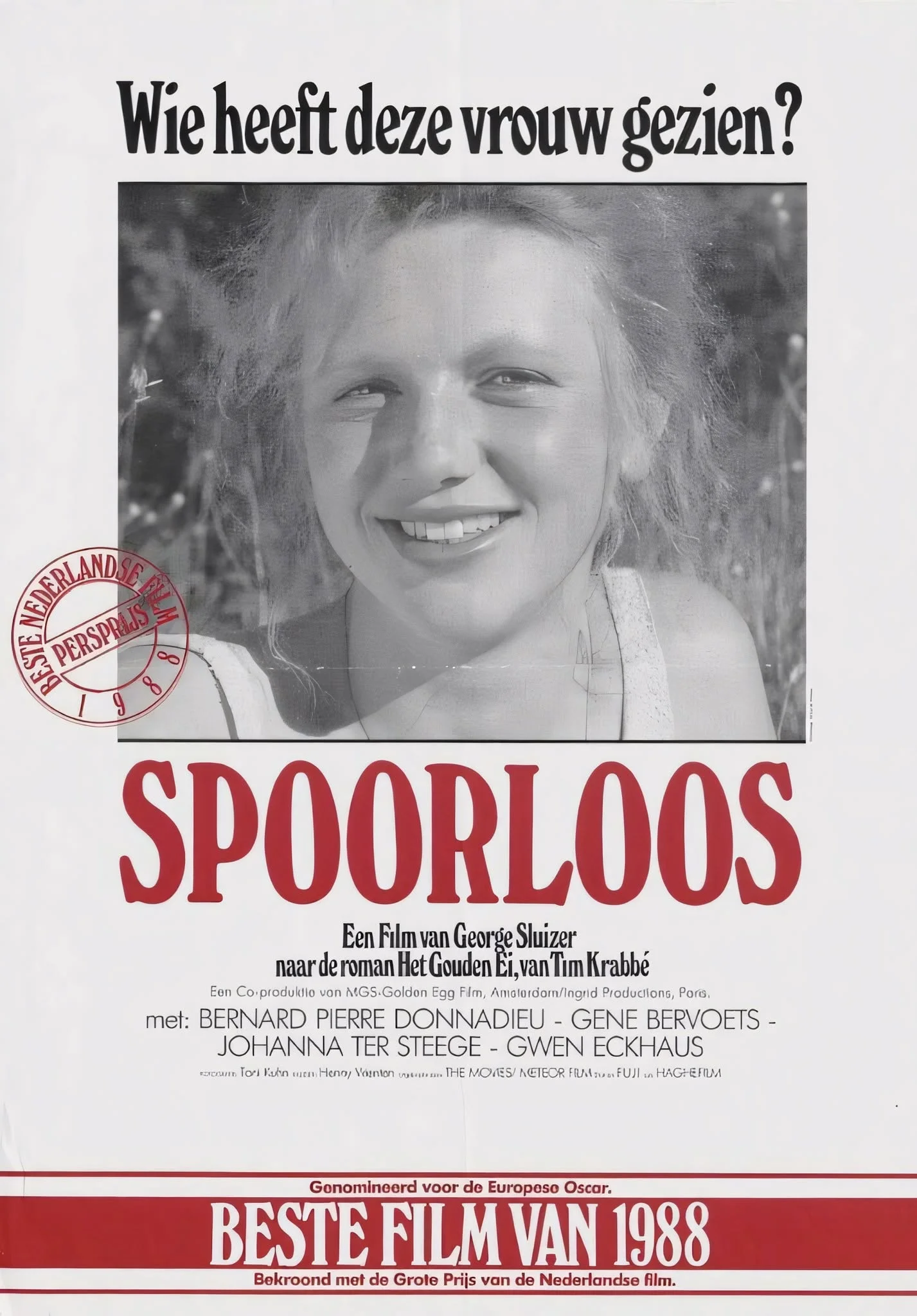
Analytická studie nizozemského psychologického thrilleru George Sluizera zkoumající banalitu zla, sociologický experiment únosce, epistemologickou past a metaforu zlatého vejce.
An analytical study of George Sluizer's psychological thriller exploring the banality of evil, the manipulator as experimenter, and the claustrophobia of unknowing.
Nizozemsko-francouzský psychologický thriller George Sluizera Zmizení (Spoorloos, v anglické distribuci The Vanishing, 1988, stopáž 107 minut), natočený podle novely Tima Krabbého Zlaté vejce (Het Gouden Ei), představuje jedno z nejmrazivějších děl moderní kinematografie o povaze zla a posedlosti pravdou. Sluizer radikálně dekonstruuje žánr kriminálního thrilleru: divákovi nezatajuje identitu pachatele ani mechanismus zločinu.
Záhadou zde není otázka „kdo?“, nýbrž proniknutí do zvrácené, matematicky rigorózní racionality obyčejného měšťana, který se rozhodne otestovat hranice vlastní svobodné vůle. Film demonstruje, že nejstrašnější teror se nerodí v šílenství či afektu, nýbrž v chladnokrevné vědecké metodě, v níž lidský život představuje pouhou proměnnou v sociologickém experimentu.
I. Banalita zla a horizontála středostavovského komfortu
Vizuální a narativní strategie filmu odmítá veškeré žánrové propriety hororového antagonisty[cite: 106]:
- Únosce jako vzorný otec: Raymond Lemorne (Bernard-Pierre Donnadieu) nevystupuje jako asociální deviant skrývající se ve stínech[cite: 106]. Je váženým profesorem chemie, milujícím manželem a otcem dvou dcer[cite: 106]. Kamera jej snímá v prosluněné venkovské zahradě jeho rodinného domu, kde s úsměvem renovuje bazén a plánuje rodinnou dovolenou[cite: 106].
- Klinická metodologie přípravy: Příprava na únos je zobrazena jako rutinní technický projekt[cite: 106]. Lemorne metodicky testuje dávkování chloroformu, stopkami měří dobu bezvědomí, zkouší různé triky k nalákání oběti do auta a zaznamenává si vlastní tepovou frekvenci[cite: 106]. Zlo je integrováno do všedního dne střední třídy; funguje jako úřednická agenda zbavená emocí[cite: 106].
II. Dálniční odpočívadlo a klaustrofobie nevědění
Zlomový incident filmu je zasazen do anonymního prostoru dálniční čerpací stanice v jižní Francii[cite: 106]:
- Mizející bod Saskie: Mladá Nizozemka Saskia Wagterová (Johanna ter Steegeová) jde koupit nápoje do prodejny a během tří minut beze stopy zmizí v jasném poledním slunci[cite: 106]. Žádný křik, žádný zjevný zápas[cite: 106]. Zlo se odehrává v plném provozu, před zraky stovek rekreantů[cite: 106].
- Epistemologická past Rexe Hofmana: Pro jejího partnera Reka (Gene Bervoets) neznamená ztráta pouze citovou ránu[cite: 106]. Zásadním traumatem se stává nevědění[cite: 106]. Následující tři roky tráví vyvěšováním plakátů, vystupováním v televizních výzvách a rozpadem své nové existence[cite: 106]. Nevědomost funguje jako mentální cela: Rex potřebuje znát pravdu víc než vlastní život[cite: 106].
III. Metafora zlatého vejce a rovnice svobodné vůle
Filozofické těžiště filmu stojí na konfrontaci dvou motivací[cite: 106]:
- Snová předtucha: Saskia před svým zmizením vypráví Rexovi svůj dětský sen: byla uvězněna uvnitř zlatého vejce vznášejícího se temným vesmírem, odsouzena k věčné samotě, pokud nenarazí na jiné vejce[cite: 106]. Tento sen funguje jako existenciální předzvěst jejího osudu i osudu Rexe[cite: 106].
- Absolutní etický kalkul Lemorna: Raymond vysvětluje Rexovi motiv svého činu[cite: 106]. Poté, co zachránil tonoucí dítě a byl oslavován jako hrdina, si položil ontologickou otázku: pokud byl schopen vykonat čin absolutního dobra, má jako bytost obdařená svobodnou vůlí schopnost spáchat i čin absolutního zla?[cite: 106] Únos a vražda pro něj nebyly motivovány sadismem či ziskem, nýbrž touhou empiricky dokázat absolutní autonomii svého já vůči morálnímu řádu vesmíru[cite: 106].
IV. Závěr: Pohřben zaživa v konečném poznání
Závěrečné vyvrcholení filmu představuje definitivní triumf manipulátora nad obětí[cite: 106]:
- Káva s pravdou: Raymond nabídne Rexovi šálek kávy se sedativy: pravdu o tom, co se stalo se Saskií, se dozví pouze tehdy, když dobrovolně podstoupí přesně tentýž proces[cite: 106]. Rex se nenachází v pozici bezmoci pod namířenou zbraní; vypije kávu z vlastní vůle, hnán posedlostí překonat prázdnotu nevědomí[cite: 106].
- Naplnění snu: Rex se probouzí v naprosté temnotě v dřevěné rakvi hluboko pod zemí se zapalovačem v ruce[cite: 106]. Pochopí, že Saskia byla pohřbena zaživa, a nyní s ní sdílí tentýž prostor – zlaté vejce se uzavřelo[cite: 106]. Raymond sedí v klidu v trávě u své rodiny a čte noviny[cite: 106]. Sluizerův film končí absolutním triumfem chladné logiky, v níž poznání pravdy nepřináší osvobození, nýbrž zánik[cite: 106].
Slovníček pojmů a bibliografie
- Banalita zla (Arendtovský motiv): Sociálně-filozofický jev, kdy je monstrózní zločin naplánován a vykonán jedincem integrovaným do běžného, spořádaného měšťanského života bez patologických afektů[cite: 106].
- Epistemologická past: Stav psychologické nesvobody, kdy absence klíčové informace uvrhne subjekt do sebedestruktivní posedlosti, jež manipulátorovi umožní oběť zcela ovládnout[cite: 106].
- Metafora zlatého vejce: Symbol ontologické osamělosti a klaustrofobického uvěznění lidského vědomí v prázdnotě, materializovaný ve filmu motivem pohřbení zaživa[cite: 106].
Bibliografie (Chicago Style):
- Foundas, Scott. “The Vanishing: The Perfection of the Disappearing Act.” In Spoorloos (Criterion Collection Booklet). New York: The Criterion Collection, 2014[cite: 106].
- Krabbé, Tim. Het Gouden Ei. Amsterdam: Bert Bakker, 1984.
- Sluizer, George, dir. Spoorloos (The Vanishing). Amsterdam: Movie Visions / MGS Film, 1988[cite: 106].
- Žižek, Slavoj. Looking Awry: An Introduction to Jacques Lacan through Popular Culture. Cambridge: MIT Press, 1991[cite: 106].
This study deconstructs the Dutch psychological thriller Spoorloos (The Vanishing, 1988, running time 107 minutes) as a chilling anatomy of cold manipulation and pathological obsession. The film analyzes the disappearance of a young woman (Saskia) at a busy highway rest stop and her partner’s (Rex) subsequent, self-destructive years-long quest to discover the truth.
Methodologically, the text focuses on the radical demystification of the antagonist (Raymond Lemorne), who does not act in passion but constructs the crime as a precise sociological experiment. The film demonstrates that the most terrifying form of terror is not brutal violence, but the inevitable, methodical logic of an ordinary man who decides to test the limits of his own free will.
I. The Banality of Evil and the Middle-Class Horizontal
The visual and narrative structure of the film denies all clichés about cinematic monsters. The abductor, Raymond Lemorne (Bernard-Pierre Donnadieu), is a respectable chemistry teacher and a model family father. The camera does not capture him in dark alleys, but in the sunlit garden of his country home.
The preparation for the abduction (practicing anesthetization with chloroform, timing actions, monitoring his own pulse) is depicted with clinical precision, as if it were routine home maintenance or lesson preparation. This perfect integration of the predator into the middle-class social horizontal forms the very core of the horror: evil here is absolutely rational, inconspicuous, and omnipresent.
II. The Claustrophobia of Not Knowing and the Golden Egg
Before her disappearance, Saskia tells Rex about her recurring dream: she is trapped inside a golden egg floating through endless space, and her only hope is to collide with another, similar egg. This dream defines the ontological emptiness of the film.
After she vanishes, Rex (Gene Bervoets) does not suffer primarily from the loss of love, but from the loss of knowledge. Ignorance becomes his own claustrophobic cage. While Raymond has full control over the information, Rex navigates a complete vacuum. His desperate need to close this epistemological gap forces him to keep his relationship with Saskia alive through his own obsession, thereby grooming himself into the perfect victim.
III. The Manipulator and the Equation of Free Will
The crucial philosophical point of the film is Raymond’s motivation. After heroically saving a drowning girl, he asks himself a perversely logical question: If I am capable of absolute good, am I, by virtue of free will, also capable of absolute evil?
Saskia’s abduction is not motivated by sex or money, but by a desire for proof of his own autonomy. Raymond does not use force, but psychological pressure and perfectly calculated moves. He approaches Rex with chilling honesty, offering him the one thing Rex desires—the truth. Raymond realizes that ultimate manipulation requires no violence, but creating a situation where the victim walks into the trap of their own volition.
IV. Conclusion: The Triumph of the Mechanism and Embracing the Darkness
The final confrontation is a brilliant display of psychological capitulation. Raymond offers Rex a cup of drugged coffee, stating that only if he drinks it will he learn what happened to Saskia. Rex faces an unsolvable choice between physical survival and satisfying his existential obsession.
His decision to drink the coffee is the definitive triumph of the manipulator. Rex wakes up buried alive—his thirst for truth has led him to the physical realization of Saskia’s dream of the golden egg. The film ends not with justice, but with a morbid stalemate: the manipulator has succeeded in his experiment, and the victim has gained his knowledge, but at the cost of absolute destruction.
Glossary and Bibliography
- Banality of Evil: The concept where criminal action is integrated into routine bourgeois existence without pathological sadism or affect.
- Golden Egg Metaphor: The symbol of absolute isolation and inner claustrophobia transitioning from a dream to a physical reality.
- Epistemological Cage: A state of psychological imprisonment caused by the absence of critical knowledge, driving the victim to self-destructive truth-seeking.
- Equation of Free Will: The perverse philosophical logic in which committing absolute evil is perceived as the ultimate proof of human agency.
Bibliography (Chicago Style):
- Bunnell, Charlene. “The Gothic: A Literary Genre’s Transition to Film.” In Planks of Reason: Essays on the Horror Film, edited by Barry Keith Grant, 79–100. Metuchen: Scarecrow Press, 1984.
- Sluizer, George. Spoorloos (The Criterion Collection Booklet). Essay by Scott Foundas. New York: Criterion, 2014.
- Žižek, Slavoj. Looking Awry: An Introduction to Jacques Lacan through Popular Culture. Cambridge: MIT Press, 1991.