Menu (The Menu, 2022): Kult haute cuisine, konformismus elit a kognitivní zkrat
The Menu (2022): The Destruction of a Cultic Hierarchy and the Cognitive Short-Circuit as the Ultimate Defense
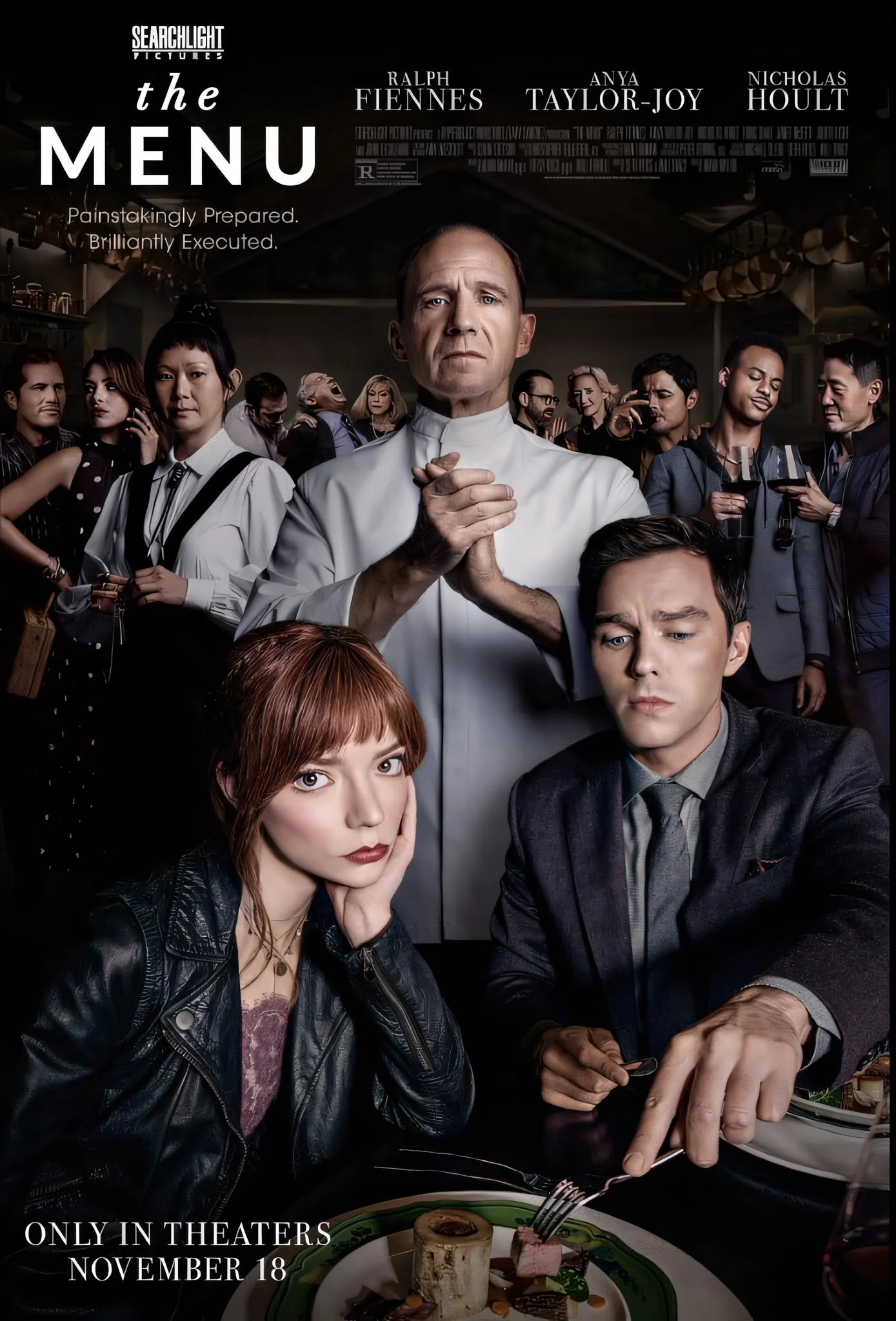
Analytická studie psychologického thrilleru Marka Myloda zkoumající dekonstrukci kulinářského kultu, třídní konformismus, taktiku cheeseburgeru a narativní subverzi moci.
An analytical study deconstructing the psychological thriller The Menu as a case study in the destruction of elitist hierarchy and tactical escape from Zone Zero.
Černohumorný thriller Marka Myloda Menu (The Menu, 2022, stopáž 107 minut) představuje břitkou a nemilosrdnou dekonstrukci elitářského konzumu, kultu osobnosti a dobrovolné podřízenosti autoritě. Děj situovaný do izolované luxusní restaurace Hawthorn na soukromém ostrově, vedené charismatickým a psychotickým šéfkuchařem Julianem Slowikem (Ralph Fiennes), funguje jako přesná metafora toxického mikrosystému a sektoidní hierarchie.
Tato studie analyzuje film nikoliv jako pouhou satiru na svět vysoké gastronomie (haute cuisine), nýbrž jako případovou studii kognitivní sebeobrany. Zaměřuje se na postavu Margot (Anya Taylor-Joy), která jako jediná dokáže manipulativní aparát rozbít tím, že odmítne konzumovat jeho elitářský kánon a pomocí cíleného kognitivního zkratu zbaví gurua jeho posvátné nedotknutelnosti.
I. Hawthorn jako sekta: Spektákl a dobrovolná komplicita obětí
Prostředí restaurace Hawthorn demonstruje mechanismy, na nichž stojí fungování autoritářských systémů[cite: 102]:
- Hierarchie a slepá obedience: Personál kuchyně vystupuje jako militarizovaná sekta[cite: 102]. Kuchaři na každé Slowikovo tlesknutí reagují sborovým a bezpodmínečným „Yes, Chef!“, přičemž se bez zaváhání podílejí na teroru i vlastní plánované rituální sebevraždě[cite: 102]. Slowik nevystupuje jako řemeslník, nýbrž jako neomylný demiurg rozhodující o vině a trestu[cite: 102].
- Paralýza privilegovaných: Hosté u stolů reprezentují elity moderního kapitalismu – arogantní finančníky, zkorumpovanou gastro-kritičku, vyhaslou hollywoodskou celebritu i snobského gastrogurmeta Tylera (Nicholas Hoult)[cite: 102]. Přestože jsou postupně konfrontováni s fyzickým násilím a vědomím, že nikdo z nich neopustí ostrov živý, nekladou koordinovaný odpor[cite: 102]. Jsou paralyzováni vlastním společenským statusem a syndromem utopených nákladů (Sunk Cost Fallacy) – i před popravou poslušně sedí a polykají další chod, protože pravidla etikety a autorita šéfkuchaře jim zakazují scénu opustit[cite: 102].
II. Margot jako systémová anomálie
Do tohoto uzavřeného panoptika vstupuje Margot jako neplánovaný prvek[cite: 102]:
- Odepření participace na mýtu: Margot do světa boháčů nepatří; je eskortou najatou Tylerem na poslední chvíli[cite: 102]. Nemá potřebu budovat si status ani předstírat porozumění abstraktním kulinářským konceptům[cite: 102].
- Odmítnutí daru: Zatímco ostatní hosté posvátně pojídají „talíř bez chleba“ a rozplývají se nad konceptuálním uměním, Margot jídlo demonstrativně odmítá vzít do úst[cite: 102]. Tímto elementárním gestem zcela vykolejí šéfkuchařovu moc[cite: 102]. Manipulátor ztrácí kontrolu nad člověkem, který o jeho rituál nestojí a odmítá jej obdivovat[cite: 102].
III. Taktika Cheeseburger: Kognitivní zkrat a narativní subverze
Klíčový obrat celého filmu nespočívá ve fyzickém útoku na personál, nýbrž v aplikaci psychologické lsti[cite: 102]:
- Odhalení narcistního zranění: Margot pronikne do Slowikovy soukromé kanceláře a z dobových fotografií zjistí, že předtím, než se stal vyhořelým kultovním lídrem pro znuděné boháče, pracoval jako řadový kuchař v bistru a zažíval upřímnou radost z přípravy obyčejných hamburgerů[cite: 102].
- Kognitivní restart: Místo aby Slowika prosila o milost (čímž by potvrdila jeho roli všemocného soudce), zvolí radikální změnu rámce: chladně zkritizuje jeho intelektuálské menu jako bezcitné a objedná si prostý cheeseburger s hranolky za devět dolarů a pětačtyřicet centů[cite: 102]. Tento požadavek vyvolá v šéfkuchařově mysli okamžitý zkrat – vytrhne jej z role božstva smrti a vrátí jej do role poctivého řemeslníka[cite: 102]. Slowik s dojetím a profesionální vášní burger osobně připraví[cite: 102].
IV. Závěr: Oheň, který stravuje jen ty, kteří uvěřili
Margot si po prvním soustu nechá zbytek jídla zabalit s sebou, zaplatí bankovkou, poděkuje za servis a klidně opouští sál[cite: 102]:
- Absolutní odpojení: Margot se nepokouší zachraňovat ostatní hosty, kteří se se svým osudem dávno smířili[cite: 102]. Odchází k přístavnímu člunu, nasedá a odplouvá[cite: 102].
- Rituál S’mores: V závěrečném infernu Slowik své hosty i personál promění v lidské „S’mores“ – pokryje je plášti z marshmallow, čokoládou a restauraci zapálí[cite: 102]. Margot z bezpečné vzdálenosti na moři přihlíží hořícímu chrámu snobismu a zakousne se do teplého cheeseburgeru[cite: 102]. Menu tímto obrazem uzavírá své poselství: moc manipulátorů a elitních struktur trvá pouze do chvíle, dokud jsou jejich oběti ochotny hrát podle vnucených pravidel[cite: 102].
Slovníček pojmů a bibliografie
- Kognitivní zkrat (Cognitive Short-Circuit): Psychologická taktika sebeobrany, při níž oběť vnutí manipulátorovi nečekaný, s jeho scénářem nekompatibilní podnět, který rozbije jeho mocenskou roli[cite: 102].
- Narativní subverze: Odmítnutí role pasivní oběti v manipulativním příběhu a rekonfigurace celé situace do zcela nového rámce[cite: 102].
- Syndrom utopených nákladů (Sunk Cost Fallacy): Kognitivní zkreslení, při němž jedinec setrvává v destruktivní situaci jen proto, že do ní již investoval příliš mnoho času, peněz či prestiže[cite: 102].
Bibliografie (Chicago Style):
- Goffman, Erving. The Presentation of Self in Everyday Life. New York: Doubleday, 1959[cite: 102].
- Milgram, Stanley. Obedience to Authority: An Experimental View. New York: Harper & Row, 1974[cite: 102].
- Mylod, Mark, dir. The Menu (Motion Picture). Los Angeles: Searchlight Pictures, 2022.
- Tracy, Seth, and Will Tracy. The Menu: Screenplay. Los Angeles: Searchlight Pictures, 2022.
The present study deconstructs the psychological thriller The Menu as the ultimate case study in the destruction of an elitist, cult-like hierarchy. The plot, set in an isolated luxury restaurant run by a cultic chef (Slowik), serves as a metaphor for any closed, manipulative micro-system. The study focuses on the character of Margot, who represents the ideal subject operating in „Zone Zero.“ Instead of futile physical resistance or panic (like the rest of the manipulated guests), Margot defeats the system by refusing to consume its „subcultural capital“ and utilizing a targeted cognitive short-circuit to destroy the manipulator’s sacred aura.
I. Author’s Intent: The Cult of Consumerism and Victim Complicity
The film uses the environment of haute cuisine as a microscope to examine class structures, personality cults, and the passivity of elites.
- Artistic Vision: The creators’ intent was to show that a defective system (here, the restaurant/cult) functions only because both sides participate in it—the psychopathic leader and his victims. The guests on the island represent pragmatic beneficiaries and co-opted authorities (the wealthy, critics, faded stars) who are so paralyzed by their own status (Sunk Cost Fallacy) that even in the face of certain death, they obediently sit at the table because the authority ordered them to.
- The Catalyst of Destruction: The character of Margot (Anya Taylor-Joy) is an anomaly in the system. She doesn’t belong there. She is not part of the elite, has nothing to prove, and above all—she refuses to participate in the spectacle. From the author’s perspective, Margot demonstrates that the only way out of totalitarianism is through the absolute rejection of its context.
II. Analytical Interpretation: Anomaly and Refusal of Participation
Why does Margot alone survive and escape the defective community, while the others assimilate into their own destruction?
- Denial of Subcultural Capital: Chef Slowik (the Gatekeeper) controls people by providing them with an exclusive, artistic experience. He demands reverence. The other guests eat and try to play the game. Margot rejects the food. She doesn’t eat. With this small gesture, she completely disrupts the balance of power. The manipulator (guru) loses control over a person who does not want his „gift.“
- Resistance to Limbic Resonance: While the other guests succumb to panic and tribal mentality (screaming, crying, but not fighting back), Margot remains an emotional grey rock. She identifies that a physical fight with the staff (the cult) is lost in advance. Instead of fighting, she analyzes the psychological profile of the leader.
III. The Psychology of Destruction: The Cognitive Short-Circuit and the Fall of the Idol
The climax of the film is the moment when Margot uses psychology, not a weapon. She applies what we define as a Cognitive Short-Circuit.
- Identification of the Core Need: Margot penetrates Slowik’s privacy and discovers that before he became an elite (and burned-out) cult leader, he was just an ordinary cook who made hamburgers and found joy in it. His narcissistic injury is that he lost the meaning of his work—he cooks for people who cannot appreciate it.
- Narrative Subversion: Instead of begging for her life (which would confirm his divine status as a judge), she does something unexpected: she places an order like in an ordinary diner. She asks for a simple cheeseburger with fries and criticizes his previous food as „loveless.“ By doing this, she literally rips the chef out of his role. She dethrones him from being an untouchable god of death and turns him back into a service provider. The cognitive short-circuit is so powerful that Slowik gladly accepts the order.
IV. Applied Practice: The „Cheeseburger“ Tactic in Zone Zero
Margot’s escape serves as the perfect algorithm for destroying the influence of authorities in cults, clubs, or toxic relationships.
- Disconnection from the Spectacle (Don’t Play Their Game): The manipulator always dictates the battlefield and the rules (in the film: a multi-course tasting menu where each course represents humiliation). The subject in Zone Zero refuses to play by the rules. They do not debate the quality of the course; they simply refuse to eat. They ignore what the manipulator considers sacred.
- Identification of Narcissistic Vulnerability: Every local gatekeeper or guru has a hidden complex. It is usually a desire to be authentically recognized, understood, or a fear of their own mediocrity. The subject detects this vulnerability not to insult the manipulator, but to begin communicating with them outside their artificial power pose.
- Creation of a Cognitive Short-Circuit (Role Reversal): If a manipulator pushes you into the role of a victim or an obedient student, radically change the context of the situation. Address them in a way that is absolutely incompatible with their script. By disrupting their carefully constructed theatrical play (the Spectacle), you trigger a „reboot“ in their brain, providing you with a window of opportunity to leave safely.
- Absolute Departure Without Catharsis: When Margot gets her cheeseburger, she doesn’t try to save the others (who have resigned). She doesn’t try to kill the chef. She simply pays, gets up, and calmly walks out. She doesn’t look back. Zone Zero does not require revenge; it requires only survival and disconnection.
V. Conclusion: The Fire That Consumes Only Those Who Consent
The film The Menu is a masterpiece on cognitive self-defense. It proves that hierarchies and manipulative communities do not possess true physical invincibility; their power is built exclusively on the victims’ willingness to adhere to social etiquette, even when that etiquette leads them to the executioner’s block. Margot destroyed the system (for herself) the moment she realized the cult leader was not an all-powerful god, but merely a broken, frustrated man seeking validation. By changing the perspective, she disarmed him and left the isolated island, while the rest of the elite burned in their own voluntary complicity.
Glossary of Technical Terms:
- Cognitive Short-Circuit (Kognitivní zkrat): A tactic consisting of creating a completely unexpected reaction or demand incompatible with the context, which disrupts the manipulator’s pre-prepared script in their brain and forces them out of character.
- Narrative Subversion (Narativní subverze): The process by which the victim refuses to accept the role assigned to them by the manipulator in the narrative (e.g., the role of a „sinner“ or „foolish student“) and imposes an entirely new, uncomfortable framework onto the situation.
- Narcissistic Injury (Narcistické zranění): A hidden feeling of inferiority or unprocessed trauma in a manipulative personality. Striking this (or paradoxically soothing it, as Margot did) can completely dislodge the manipulator from their power position.
Bibliography:
- Vaknin, Sam: Malignant Self Love: Narcissism Revisited. Narcissus Publications, 1999.
- Goffman, Erving: The Presentation of Self in Everyday Life. Doubleday, 1959.
- Milgram, Stanley: Obedience to Authority. Harper & Row, 1974.