Mazací hlava (Eraserhead, 1977): Industriální paranoia a noční můra otcovství
Eraserhead (1977): The Absolute Bottom of the Subconscious
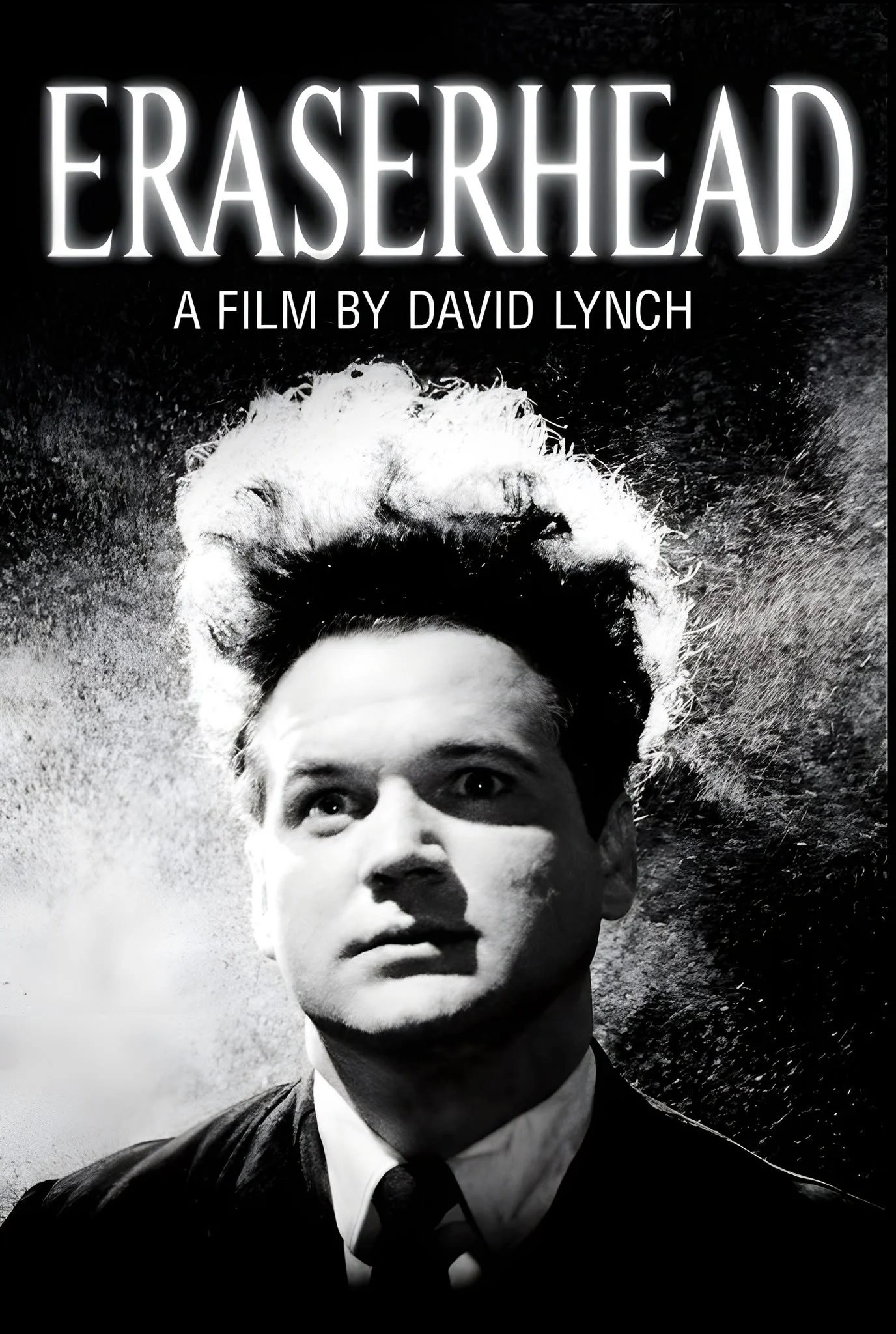
Analytická studie celovečerního debutu Davida Lynche zkoumající industriální pustinu, somatickou úzkost z reprodukce a surrealistickou destrukci ega.
An analytical study of David Lynch's feature debut exploring the industrial wasteland, fear of reproduction, and the surreal destruction of biological processes.
Celovečerní debut Davida Lynche Mazací hlava (Eraserhead, 1977, stopáž 89 minut) představuje jednu z nejradikálnějších existenciálních vizí v dějinách nezávislé americké kinematografie. Snímek zcela rezignuje na tradiční narativní kauzalitu ve prospěch čisté psychoanalytické projekce podvědomí. Lynch analyzuje trauma tiskaře Henryho Spencera, který uvízl v dystopické průmyslové krajině a je donucen čelit nezvladatelným následkům nechtěného otcovství zmutovaného, nelidského plodu.
Metodologicky se text zaměřuje na průkopnický zvukový design Alana Spleta, surrealistickou dekonstrukci biologických funkcí těla a motiv smrti jako transcendentního úniku z materiální reality. Film představuje mezní stádium tělesného a psychologického hororu, v němž se samotný akt plození a reprodukce mění v největší existenciální hrozbu.
I. Ocel, pára a zrušení přírodního řádu
Vizuální a akustická krajina Mazací hlavy demonstruje totální zánik organického světa:
- Industriální nekropole: David Lynch situuje vyprávění do permanentně temné, vybydlené průmyslové pustiny inspirované chátrajícími čtvrtěmi Filadelfie 70. let. Zdejší prostor nezná denní světlo, flóru ani obzor – existují pouze špinavé cihlové zdi, kaluže oleje, potrubí a syčící radiátory. Tento svět není pouhou stylizací, ale externalizovanou materializací Henryho (Jack Nance) vnitřní paralýzy.
- Sonický teror Alana Spleta: Zvuková stopa je tvořena nepřetržitým, pulzujícím mechanickým hlukem. Syčení páry, skřípění řemenic a dunění vzdálených strojů fungují jako auditivní reprezentace chronické deprese. Absence ticha znemožňuje hrdinovi i divákovi jakoukoliv mentální úlevu.
II. Monstrózní plod a fobie z tělesnosti
Jádrem Lynchovy noční můry je rozklad rodinného ideálu a somatická úzkost z reprodukce:
- Zhmotnění viny: Henryho novorozený potomek postrádá lidskou fyziognomii – jde o beztvarý, slizký zárodek s protáhlou lebkou a králičími rysy, který permanentně naříká a vyžaduje krmení. Monstrum nepředstavuje mimozemskou entitu, nýbrž hmatatelné ztělesnění Henryho panického děsu z rodičovské odpovědnosti, sexuality a ztráty osobní autonomie.
- Zkažená biologie: Lynch dekonstruuje organické procesy s odporem. Rodinná večeře u rodičů Mary X vrcholí tím, že pečené kuře na talíři začne pumpovat krev a hýbat stehny; z postele vytéká mléčný hnis. Biologický život je nahlížen jako nekontrolovatelná, odporná mutace.
III. Žena v radiátoru a tanatos jako vykoupení
Jediný únik z materiální bídy představuje vnitřní prostor Henryho představivosti:
- Zpěv ze zákulisí: Uvnitř špinavých žeber topného tělesa objevuje Henry divadelní jeviště, na němž vystupuje Žena v radiátoru (Laurel Near) s groteskně nateklými tvářemi. Zašlapává padající spermie/červy a uklidňujícím hlasem zpívá píseň Petera Iverse „In Heaven, Everything Is Fine“.
- Pud smrti (Thanatos): Žena v radiátoru nepředstavuje anděla spásy, ale zosobnění pudu smrti. Nabízí osvobození od tíhy fyzické existence. Motiv ztráty hlavy, která je v továrně rozemleta na gumy k mazání tužek, funguje jako metafora touhy po definitivním vymazání vlastního vědomí, vzpomínek a identity.
IV. Závěr: Vražda jako kolaps reality a pád do bílého ticha
Závěrečný akt filmu uzavírá spirálu utrpení radikálním destruktivním gestem:
- Rozstřižení obvazů: Vyčerpaný Henry nůžkami přestřihne ochranné pleny dítěte, čímž způsobí perforaci vnitřních orgánů. Smrt stvůry však nespustí úlevu, nýbrž totální zhroucení fyzikálního řádu – pokoj exploduje v mračnech páry a obří dětská hlava pohltí prostor.
- Absolutní světlo: V závěrečném záběru Henry mizí v oslepující bílé záři v objetí Ženy v radiátoru. Zničení tělesného pouta vede ke kompletní anihilaci univerza. Zůstává pouze absolutní prázdnota, v níž se rozplynula bolest materiálního světa.
Slovníček pojmů a bibliografie
- Sonický design deprese: Zvuková koncepce Alana Spleta využívající monotónní industriální ruchy a nízkofrekvenční hučení jako metaforu psychické izolace.
- Somatická fobie: Úzkostný odpor k fyzické podstatě lidského těla, jeho vnitřnostem, tekutinám a biologické reprodukci.
- Tanatos (Thanatos): Freudovský koncept pudu smrti usilující o návrat organismu do anorganického, beztenzního stavu klidu a nebytí.
- Industriální surrealismus: Umělecký styl propojující snovou logiku podvědomí s estetikou chátrajících průmyslových měst, potrubí a mechanických strojů.
Bibliografie (Chicago Style):
- Lynch, David. Lynch on Lynch. Edited by Chris Rodley. London: Faber and Faber, 1997.
- Nochimson, Martha P. The Passion of David Lynch: Wild at Heart in Hollywood. Austin: University of Texas Press, 1997.
- Olson, Greg. David Lynch: Beautiful Dark. Lanham: Scarecrow Press, 2008.
- Sconce, Jeffrey. “Eraserhead.” In The Cinema of David Lynch: American Dreams, Nightmare Visions, edited by Erica Sheen and Annette Davison, 17–35. London: Wallflower Press, 2004.
This study deconstructs David Lynch’s feature debut Eraserhead (1977, running time 89 minutes) as the ultimate cinematic nightmare, resigning from traditional narrative in favor of pure psychoanalytic projection. The film analyzes the story of Henry Spencer, a printer trapped in a dystopian industrial city, forced to face the consequences of the unwanted fatherhood of a mutated, non-human fetus.
Methodologically, the text focuses on Alan Splet’s oppressive sound design (the constant hiss of steam and hum of machinery as a sonic image of depression), the surreal destruction of biological processes, and the motif of suicide as transcendent liberation. The film represents the final stage of psychological horror: a place where the very act of living and creating new life becomes the greatest terror.
I. Steel, Steam, and the Cancellation of the Natural Order
The visual identity of Eraserhead presents an absolute denial of the natural world. Director David Lynch sets the story in a bleak, permanently dark industrial wasteland. There are no trees, no sun, only omnipresent dust, pipes, and shadows. This world is not a mere backdrop, but the external materialization of Henry’s (Jack Nance) internal paralysis and depression.
Absolutely crucial here is the revolutionary sound design by Alan Splet. The soundtrack is a continuous, pulsating noise of distant factories, hissing radiators, and humming electrical transformers. Silence does not exist in the film. This constant sonic burden functions as a crushing horizontal that physically exhausts both the viewer and the protagonist, cutting them off from any hope of escape.
II. The Monstrous Child and the Phobia of Intimacy
The core of Lynch’s existential horror is the inversion of the concept of family and reproduction. The traditional element of hope—the birth of a child—is forged into pure dread. Henry’s child is not human; it is a constantly crying, mutated organism that demands absolute care and attention.
This “monster” is not an alien from space, but the tangible embodiment of Henry’s own panic-stricken fear of commitment, fatherhood, and sexuality. Lynch deconstructs corporeality here with surgical cruelty: an intimate dinner at Mary X’s parents’ ends with bleeding artificial chickens; the bed becomes a site of decay. Biological processes are depicted as repulsive, slimy, and uncontrollable mutations.
III. The Lady in the Radiator and the Seductiveness of Non-Being
The only source of heat and light in Henry’s claustrophobic room is the radiator. In its dark opening, a dreamlike entity appears to Henry—the Lady in the Radiator, with grotesquely swollen cheeks. She stomps on falling sperm/embryos and sings with a comforting smile that “in heaven, everything is fine.”
This character is not an angel of salvation in the theological sense, but the personification of thanatos—the death drive. She offers Henry the ultimate escape from the suffering of bodily existence. The visual vertical here does not point to god, but to blissful non-being. The destruction of one’s own head (which is subsequently ground up in a factory and processed into pencil erasers—“eraserheads”) represents the desire for the erasure of one’s own ego and consciousness.
IV. Conclusion: Murder as Redemption and the Absolute White
The final act of the film provides no logical explanation, but rather catharsis through destruction. A completely exhausted Henry cuts open his mutated child’s bandages, leading to an eruption of organs and the apocalyptic expansion of the child’s head, which consumes the entire reality of the room and the planet.
The murder of his own fear (the child) leads to the collapse of the very universe in which Henry suffered. In the final shot, Henry walks into a blinding white light, embracing the Lady in the Radiator. Identity, reality, logic, and matter have been completely erased. Only emptiness, silence, and final peace remain at the very bottom of human consciousness.
Glossary and Bibliography
- Sonic Image of Depression: The use of continuous industrial noise, steam hissing, and electrical hums to induce a constant state of psychological strain and isolation.
- Bodily Mutation: The portrayal of biological processes (food, sex, reproduction) as repulsive, uncontrollable, and threatening physical phenomena.
- Thanatos (Death Drive): The psychological inclination toward non-being and dissolution as the sole escape from painful bodily existence.
- Absolute Erasure: The desire for the total deconstruction of consciousness and ego, symbolized by transforming the brain into pencil erasers.
Bibliography (Chicago Style):
- Lynch, David. Lynch on Lynch. Edited by Chris Rodley. London: Faber and Faber, 1997.
- Nochimson, Martha P. The Passion of David Lynch: Wild at Heart in Hollywood. Austin: University of Texas Press, 1997.
- Olson, Greg. David Lynch: Beautiful Dark. Lanham: Scarecrow Press, 2008.
- Sconce, Jeffrey. “Eraserhead.” In The Cinema of David Lynch: American Dreams, Nightmare Visions, edited by Erica Sheen and Annette Davison, 17–35. London: Wallflower Press, 2004.