Dívka, která věděla příliš mnoho (La ragazza che sapeva troppo, 1963): Městský zrak, Hitchcock a zrod gialla
The Primal Flash: Urban Gaze, Hitchcock, and the Birth of Giallo in Bava's The Girl Who Knew Too Much (1963)
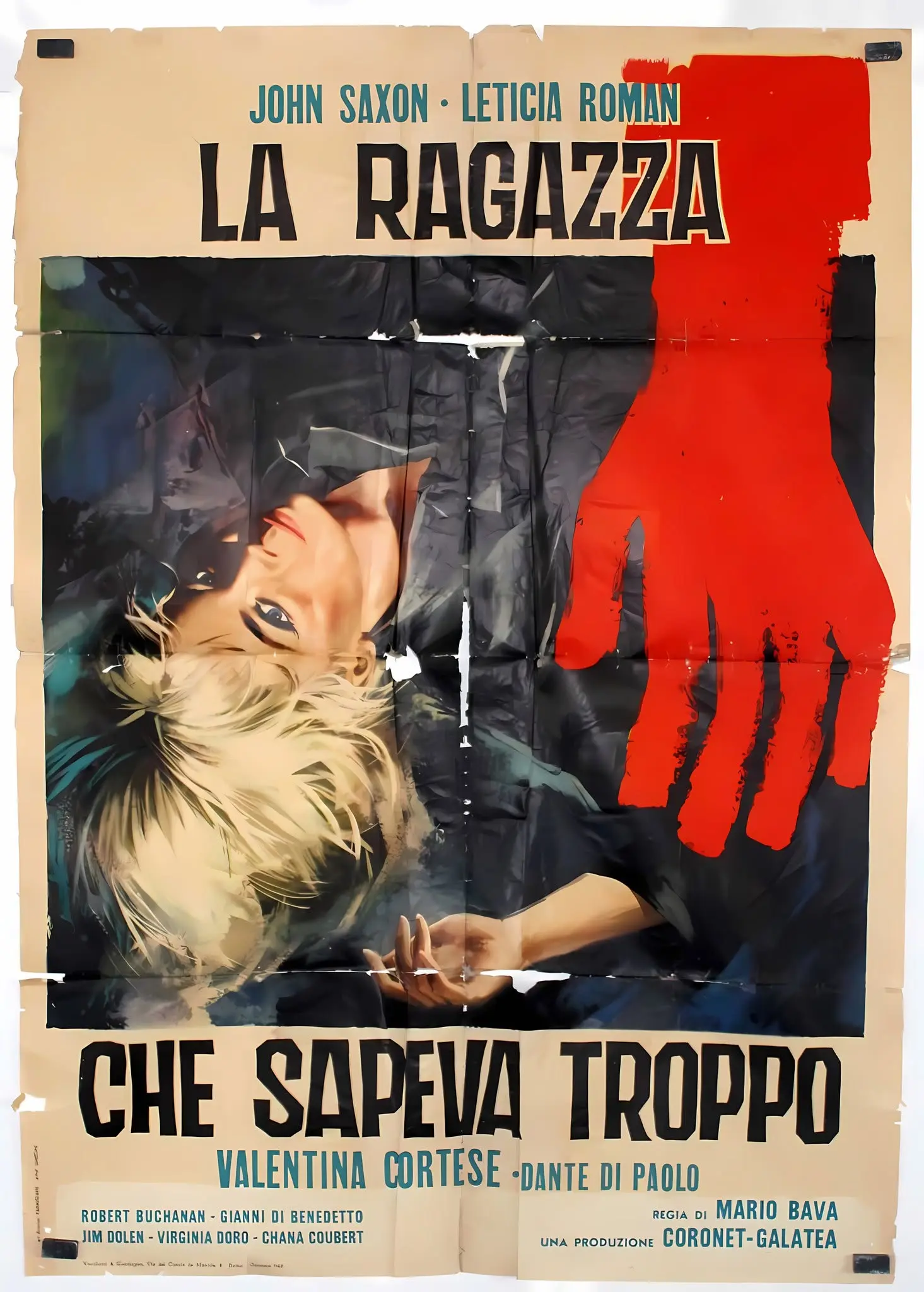
Analytická studie kriminálního thrilleru Maria Bavy zkoumající zrod žánru giallo, hitchcockovský voyeurismus, geometrii odcizeného Říma a nespolehlivost městského pohledu.
In the context of Italian cinema, Mario Bava is rightly celebrated as the visual poet of gothic horror, but his black-and-white crime thriller The Girl Who Knew Too Much (1963) represents a far more radical break. While…
Mario Bava bývá právem oslavován jako vizuální básník gotického hororu, avšak jeho černobílé kriminální drama Dívka, která věděla příliš mnoho (La ragazza che sapeva troppo, 1963, stopáž 86 minut) představuje mnohem radikálnější mezník. Snímek formálně navazuje na tradici italských laciných detektivních sešitů se žlutou obálkou (gialli), avšak Bava zde provádí tvůrčí syntézu, která ustavila nový svébytný filmový žánr. Režisér opouští mlžné krypty a hrady, aby svůj cit pro světlo, stín a prostor přenesl do oslnivých, avšak hluboce odcizených ulic moderního poválečného Říma.
Příběh sleduje mladou americkou turistku Noru Davisovou (Letícia Román), vášnivou čtenářku detektivek, která po nočním příjezdu spatří na Španělských schodech brutální vraždu mladé ženy. Když však policie žádné tělo nenalezne a lékaři zpochybňují její duševní stav, roztáčí se epistemologický kolotoč pochybností. Bava v tomto snímku definoval základní syntaxi filmového gialla: prolnutí voyeurismu, nespolehlivého subjektivního vnímání a chladné, vizuálně fascinující choreografie smrti.
I. Řím jako moderní labyrint a optika žánru
Zatímco americký film noir stavěl na deštěm zkrápěných nočních bulvárech Los Angeles či Chicaga, Bava transformuje antický a barokní Řím v modernistické bludiště plné ostrých kontrastů světla a stínu:
- Černobílá geometrie: Absence barvy zde není úsporným opatřením, nýbrž přísným výtvarným nástrojem. Kamera pracuje s hlubokou ostrostí a architektonickými liniemi, čímž proměňuje turistické dominanty v klaustrofobní past pro osamělého chodce.
- Kontaminace realitou pulpem: Nora vstupuje do Itálie s myslí formovanou brakovou literaturou. Její interpretace skutečnosti je od první chvíle zatížena fiktivními narativy. Bava rozehrává rafinovanou hru se znejistěním diváka: hranice mezi skutečným spiknutím a paranoickou projekcí turistky se stává neprostupnou.
II. Hitchcockovská struktura a průmyslový rámec
Název filmu a základní premisa otevřeně odkazují k Hitchcockovu snímku Muž, který věděl příliš mnoho:
- Distributorský diktát: Odkaz nebyl původním autorským záměrem – pracovní název snímku zněl Incubus a hitchcockovský titul vnutili projektu mezinárodní distributoři, aby jej prodali v rámci zavedené žánrové šablony.
- Subverze nevinného svědka: Bava motiv obyčejného člověka vtaženého do zločinu posouvá do niternější roviny. Nora je obětí i spoluautorkou svého děsu – její obsese vraždami z ní činí ideální terč manipulace. Snímek předjímá motivy pozdější vlny 70. let: postavu lékaře Marcella Bassiho (John Saxon) v roli zmateného spojence, motiv systematického sériového vraha jednajícího podle abecedního klíče i atmosféru permanentního podezření.
III. Vizuální alchymie a zrod ikonografie gialla
I v černobílém formátu snímek definuje formální postupy, které Bava o rok později dovedl k barevnému absolutnu v Krev a černá krajka:
- Gramatika napětí: Extrémní detaily vyděšených očí, vržené stíny žaluzií připomínající vězeňské mříže a ostré světelné kontrasty mezi osluněnou Piazza di Spagna a potemnělými ateliéry ustavují nový vizuální kánon.
- Choreografie násilí: Noční scéna na monumentálním schodišti ukazuje vraždu nikoliv jako naturalistickou rvačku, nýbrž jako estetizovaný geometrický akt, kde má smrt svou přesně vyměřenou kompozici.
IV. Závěr: Rozbití žánrové konstrukce
Vyvrcholením filmu je samotná pointa, která sice přináší kriminální rozuzlení, avšak zároveň demaskuje konstrukci, již si divák spolu s Norou vystavěl:
- Banalita motivu: Místo tajemného masového „abecedního vraha“ se odhaluje přízemní materiální kalkul – vraždy motivované chamtivostí a dědickým podvodem v rodině její hostitelky.
- Autoreflexe žánru: Bava tímto gestem deklaruje, že giallo je žánrem, který si plně uvědomuje svou vlastní umělost. Dívka, která věděla příliš mnoho zůstává nejen zakladatelským dílem žánru, ale i nadčasovou studií moderní městské paranoie, z níž později těžili Dario Argento i Lucio Fulci.
Slovníček pojmů a bibliografie
- Giallo: Specifický italský subžánr filmového thrilleru mísící detektivní pátrání, voyeurismus, barokní vizuální stylizaci a explicitní choreografii násilí.
- Nespolehlivý pohled (Epistemologická nejistota): Stav, kdy je svědectví protagonisty o spáchaném zločinu zpochybněno absencí stop a jeho vlastní psychickou labilitou či fascinací fikcí.
- Abecední vraždy (Alphabet Murders): Kriminální motiv sériového vraha vybírajícího oběti podle abecedního pořadí jejich jmen, fungující jako fiktivní konstrukce zakrývající skutečný motiv.
Bibliografie (Chicago Style):
- Howarth, Troy. The Haunted World of Mario Bava. Baltimore: Midnight Marquee Press, 2002.
- Lucas, Tim. Mario Bava: All the Colors of the Dark. Cincinnati: Video Watchdog, 2007.
- Pezzotta, Alberto. Mario Bava. Milano: Il Castoro Cinema, 1995.
In the context of Italian cinema, Mario Bava is rightly celebrated as the visual poet of gothic horror, but his black-and-white crime thriller The Girl Who Knew Too Much (1963) represents a far more radical break. While formally rooted in the tradition of Italian pulp novels with yellow covers (gialli), the film performs a creative synthesis in real time, helping to establish a brand-new cinematic genre. Bava abandons gothic sets, transferring his keen eye for light, shadow, and space into the sun-drenched yet deeply alienated streets of modern Rome.
The film follows a young American tourist, Nora Davis (Letícia Román), an avid reader of crime fiction, who upon arriving in Italy unwittingly witnesses a brutal murder on the Spanish Steps. When the police fail to find a body and circumstances cast doubt on her mental stability, an epistemological carousel of doubt begins. Here, Bava defines, in concentrated form, the basic syntax of the giallo: a clash of naive voyeurism, unreliable subjectivity, and the cold, elegant mechanics of death.
1. Rome as a Modern Labyrinth and the Optics of the Genre
While American film noir relied on rain-slicked Chicago or Los Angeles streets, Bava transforms Rome into a modernist labyrinth full of sharp contrasts between light and shadow. The use of a black-and-white palette functions not merely as an economical production choice, but as a purely stylistic tool. Bava’s camera works with depth of field and urban geometry, turning tourist landmarks into a merciless, claustrophobic space.
Nora arrives in Italy with her head full of pulp literature. Her perception of reality is contaminated by fiction from the first moment. Bava plays a refined game with the spectator: the boundary between an actual crime and the tourist’s paranoia becomes thin ice. Rome is not a museum of history, but an anonymous metropolis where modern urbanism turns into a perfect trap for a lonely witness.
2. Hitchcockian Structure and Its Industrial Framework
The English title of the film (The Girl Who Knew Too Much) and its initial plot openly reference Hitchcock’s The Man Who Knew Too Much. It is a fascinating industrial detail that this reference was not the original directorial intention—the film’s working title was Incubus, and the famous Hitchcockian title was imposed upon Bava by distributors to explicitly frame the film within a thriller tradition.
Bava shifts the Hitchcockian motif of the “ordinary person drawn into a conspiracy” into a more intimate register. Nora is simultaneously the victim and the co-author of her own fear—her obsession with murder makes her an ideal target for manipulation. The film thus prefigures the archetypes that would define the Italian wave of the 1970s: the character of Dr. Marcello Bassi, who gradually becomes Nora’s ally, the motif of a methodical serial killer constructed through the so-called “Alphabet Murders,” and an atmosphere of creeping suspicion where no one is what they seem.
3. Visual Alchemy and the Emergence of an Iconography
Despite the absence of color—which Bava later glorified in Blood and Black Lace—The Girl Who Knew Too Much is a visually dazzling work. Bava invents the grammar of suspense here: extreme close-ups of terrified eyes, shadows cast by window blinds, sharp transitions between the sun-drenched Piazza di Spagna and dark interiors.
The key staircase sequence prefigures the future visual code of the Italian giallo. The killer is not an anonymous silhouette from afar, but a carefully composed threat whose presence manifests through precise framing. Bava portrays murder not as raw force, but as choreography—as an aesthetic act where death possesses its own geometry.
4. Conclusion: Shattering the Genre Construction
The brilliant climax of the film is its punchline, which offers a resolution while simultaneously shattering the entire mechanism that the spectator (and Nora herself) constructed throughout the narrative. While Nora gradually built a terrifying mental image of a methodical serial “Alphabet Killer,” the final revelation brings a much more prosaic and personal motive: murders driven by inheritance and a subsequent attempt to cover up their traces.
With this gesture, Bava signals that the giallo is born as a genre acutely aware of its own artificiality. The Girl Who Knew Too Much is thus much more than a historical starting point; it is a confident sketch of modern paranoia through which Bava laid foundational stones for the later work of Argento, Fulci, and other masters of the Italian thriller.