Ďáblové (The Devils, 1971): Politika hysterie a falešné pašije
The Devils (1971): The Politics of Hysteria and the False Passion
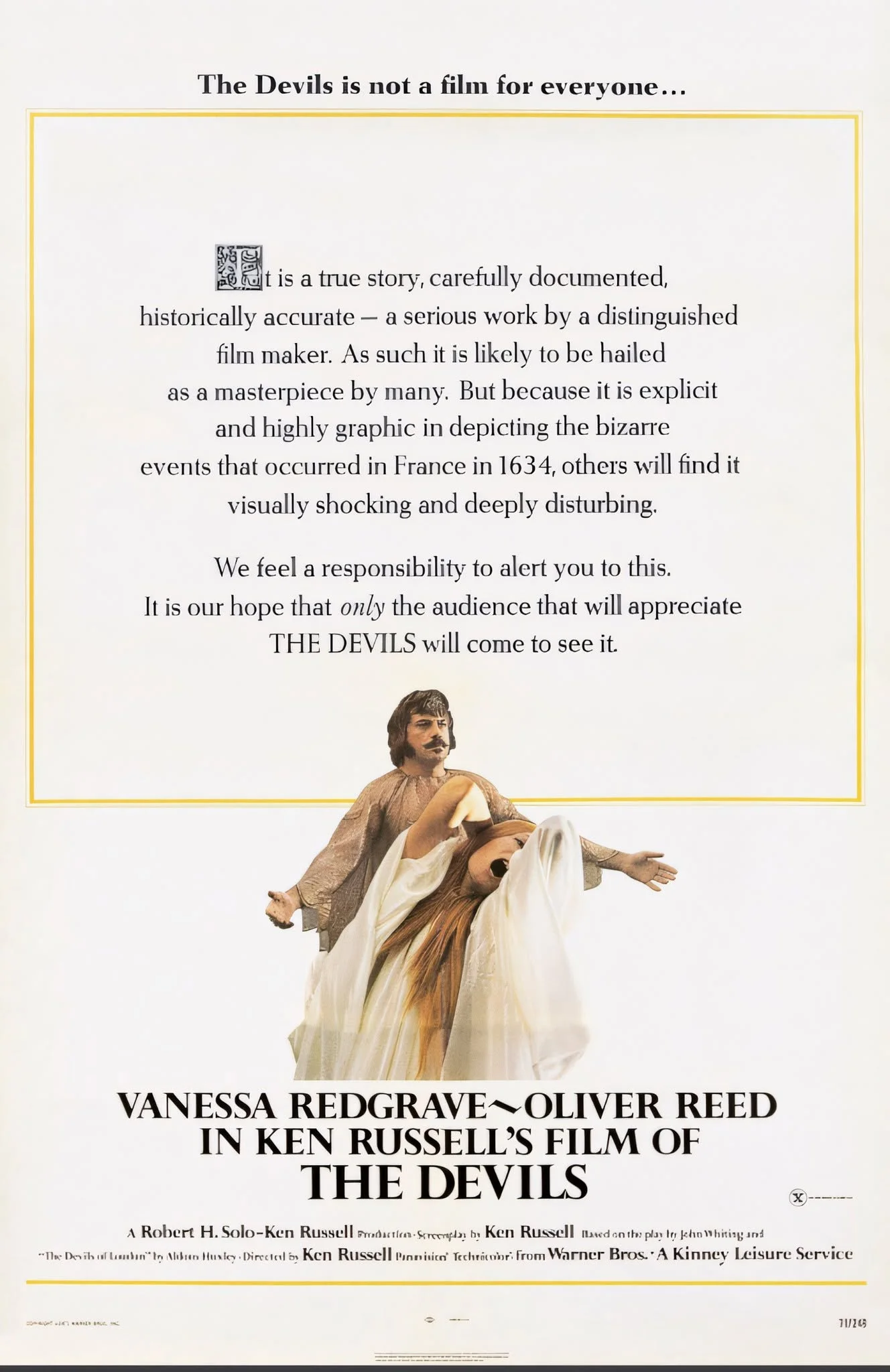
Analytická studie historického dramatu Kena Russella zkoumající politickou instrumentalizaci víry, Jarmanovu anachronickou architekturu a dekonstrukci Kristových pašijí.
An analytical study of Ken Russell's historical drama exploring the political weaponization of faith, Jarman's anachronistic architecture, and the deconstruction of the Passion of Christ.
Tato studie dekonstruuje radikální a historicky cenzurované historické drama Kena Russella Ďáblové (The Devils, 1971, stopáž 111 minut) jako nekompromisní kritiku politické instrumentalizace náboženské víry. Snímek, vycházející ze skutečných událostí ve francouzském Loudunu 17. století a literární předlohy Aldouse Huxleyho, analyzuje likvidaci nekonformního kněze Urbana Grandiera. Ten se stane obětí vykonstruovaného procesu z čarodějnictví vyvolaného sexuální frustrací jeptišek a mocenským pragmatismem kardinála Richelieua.
Metodologicky se text zaměřuje na anachronickou scénografii Dereka Jarmana, psychosomatickou povahu domnělé posedlosti a dekonstrukci Kristových pašijí. Film představuje mrazivou alegorii, v níž skutečným monstrem není metafyzický ďábel, nýbrž represivní aliance církevní a státní moci.
I. Bílé město a architektura represe
Vizuální pojetí filmu programově odmítá tradiční historizující realismus:
- Klinická nemocnice namísto středověku: Scénograf Derek Jarman vytvořil monumentální kulisy města Loudun obložené oslnivě bílými kachličkami. Město neevokuje raný novověk, nýbrž moderní pitevnu, psychiatrickou léčebnu či asanační zařízení.
- Sterilní byrokracie moci: Tato geometrická, sterilní architektura zosobňuje chladnou administrativní kontrolu absolutistického státu. Sakrální symboly (kříže, oltáře, relikviáře) jsou zbaveny duchovního rozměru a redukovány na scénické rekvizity politického divadla kardinála Richelieua, jehož cílem je zničit autonomii nezávislých měst.
II. Stigmata hysterie a potlačená tělesnost
Klíčovým spouštěčem manipulativního procesu je sestra Jeanne (Vanessa Redgrave), tělesně deformovaná představená uršulinského konventu:
- Psychosomatická konverze: Její démonická posedlost nemá nadpřirozený původ; jde o prudkou psychosomatickou reakci na sexuální represi, asketický diktát a fyzické stigma.
- Epidemie davové psychózy: Neukojená erotická fixace na charismatického Grandiera (Oliver Reed) přerůstá v masovou hysterii celého kláštera. Russell ukazuje, jak násilně potlačovaná tělesnost vyhřezává v patologických, nábožensky ritualizovaných orgiích. Askeze a systematické popírání lidské biologie plodí nekontrolovatelné běsnění.
III. Dekonstrukce pašijí a politická poprava
Kristovský motiv utrpení a oběti je v Ďáblech představen bez metafyzického vykoupení:
- Grandierova křížová cesta: Arogantní a požitkářský kněz Grandier je konfrontací se státní svévolí donucen k morálnímu procitnutí. Jeho zatčení, ponižující oholení těla a drcení nohou inkvizičními klíny představují doslovnou dekonstrukci pašijí.
- Odmítnutí lži: Inkvizitoři nežádají pravdu, ale podpis pod vynucené doznání, jímž by církev legitimizovala stržení městských hradeb. Tím, že Grandier odmítne potvrdit lživý pakt se Satanem a volí mučednickou smrt v plamenech, paradoxně uchovává lidskou důstojnost tváří v tvář zkorumpovanému aparátu.
IV. Závěr: Očištění ohněm a zánik hradeb svobody
Závěrečný akt filmu vylučuje jakýkoliv spirituální triumf. Hranice s Grandierem hoří za netečného přihlížení zmanipulovaného davu, zatímco královská děla rozbíjejí obranné valy Loudunu:
- Absence vzkříšení: Russell uzavírá vyprávění totální kapitulací humanity před centralizovanou tyranií. Oheň neočišťuje, nýbrž zahlazuje stopy po politické vraždě.
- Falešná relikvie: Závěrečný záběr na sestru Jeanne, která v troskách svírá Grandierovu ohořelou kost jako erotickou fetiš i memento vlastní viny, potvrzuje definitivní triumf patologie nad vírou.
Slovníček pojmů a bibliografie
- Anachronická scénografie: Záměrné využití moderních vizuálních prvků a materiálů (bílé kachličky, nemocniční sterilita) v historickém filmu pro zdůraznění nadčasových témat institucionálního útlaku.
- Psychosomatická hysterie: Fyzický projev potlačených sexuálních a psychických traumat přetavený do nekontrolovatelných tělesných záchvatů a iluze démonické posedlosti.
- Dekonstrukce pašijí: Narativní převrácení křesťanského mýtu o vykoupení, v němž mučednictví nepřináší spásu ani vzkříšení, nýbrž demonstruje bezmoc jednotlivce před státním aparátem.
Bibliografie (Chicago Style):
- Crouse, Richard. Raising Hell: Ken Russell and the Unmaking of The Devils. Toronto: ECW Press, 2012.
- Flanagan, Kevin M., ed. Ken Russell: Re-Viewing England’s Last Mannerist. Lanham: Scarecrow Press, 2009.
- Huxley, Aldous. The Devils of Loudun. London: Chatto & Windus, 1952.
- Kermode, Mark. “The Devils: A Masterpiece Restored.” Sight & Sound 22, no. 3 (2012): 26–31.
This study deconstructs Ken Russell’s extremely controversial and historically censored historical drama The Devils (1971, running time 111 minutes) as a radical critique of the political weaponization of faith. Based on historical events in 17th-century Loudun, France, the film analyzes the destruction of a nonconformist priest, Urbain Grandier, who falls victim to fabricated witchcraft accusations orchestrated by sexually frustrated nuns and Cardinal Richelieu.
Methodologically, the text focuses on Derek Jarman’s anachronistic set design (the city as a clinical hospital/abattoir), the psychosomatic nature of supposed possession, and the deconstruction of the Passion of Christ. The film presents a twisted Easter allegory where the true monster is not the devil, but the institutions of Church and State themselves.
I. The White City and the Architecture of Repression
The visual concept of the film completely rejects traditional historical realism. The design of the city of Loudun was created by the then-emerging Derek Jarman, who built monumental, blindingly white tiled sets. The city does not resemble the 17th century, but rather a modern psychiatric hospital, crematorium, or public bathhouse.
This sterile horizontal symbolizes the cold, bureaucratic power of the State and the Church. Crosses, altars, and relics lose their sacred aura here, becoming mere props in a political theater. In this clinical space, there is no room for a real God, only for the calculating politics of Cardinal Richelieu, who needs to break the city’s independence.
II. The Stigmata of Hysteria and the Suppressed Vertical of the Body
The key figure of psychological terror is Sister Jeanne (Vanessa Redgrave), the hunchbacked prioress of the Ursuline convent. Her supposed “demonic possession” is not of supernatural origin; it is a pure, explosive psychosomatic reaction to sexual frustration and physical deformity.
Her obsession with Grandier (Oliver Reed) transforms into a mass hysteria enveloping the entire convent. Russell brilliantly illustrates how the suppressed bodily vertical (human sexuality) erupts to the surface in a pathological, religiously sanctioned form. The famous (and often excised) scenes of the nuns’ orgies before the altar are not gratuitous blasphemy, but proof that asceticism and the denial of human nature breed madness.
III. The False Christ and the Deconstruction of the Passion
The Easter motif of crucifixion and martyrdom is taken to absolute physical brutality in The Devils. Grandier, though initially an arrogant and lustful sinner, becomes a true Christ figure in the face of his political trial.
His trial and subsequent torture (the crushing of his legs, the shaving of his hair and beard) function as a literal Stations of the Cross. The Church inquisitors do not demand the truth from him, but the confession of a lie—they demand he admit to being a servant of Satan to justify the destruction of the city. By refusing to sell his soul to a state lie and enduring unspeakable agony, Grandier achieves true martyrdom, in stark contrast to the theatrical “suffering” of the hysterical nuns.
IV. Conclusion: Purification by Fire and the Fall of the Walls
The final act of the film denies any hope of divine intervention or justice. Grandier is burned at the stake before the eyes of the citizens and the nuns, while the city walls are simultaneously demolished by royal cannons. There is no resurrection here.
Russell’s film ends with a vision of the absolute triumph of power over the individual. The fire does not cleanse sins; it burns away the last remnants of truth and humanity. In a chilling epilogue, we see a devastated Sister Jeanne clutching Grandier’s charred bone in the ruins as a false relic of her own guilt. The Devils is cinema’s darkest Easter—a crucifixion orchestrated by those who proclaim themselves to be holy.
Bibliography (Chicago Style)
- Crouse, Richard. Raising Hell: Ken Russell and the Unmaking of The Devils. Toronto: ECW Press, 2012.
- Flanagan, Kevin M. Ken Russell: Re-Viewing England’s Last Mannerist. Lanham: Scarecrow Press, 2009.
- Huxley, Aldous. The Devils of Loudun. London: Chatto & Windus, 1952.
- Kermode, Mark. “The Devils: A Masterpiece Restored.” Sight & Sound 22, no. 3 (2012).