Strach (1983): Subjektivita psychopatie a kinetika zla
Angst (1983): The Subjectivity of Psychopathy and the Kinetics of Evil
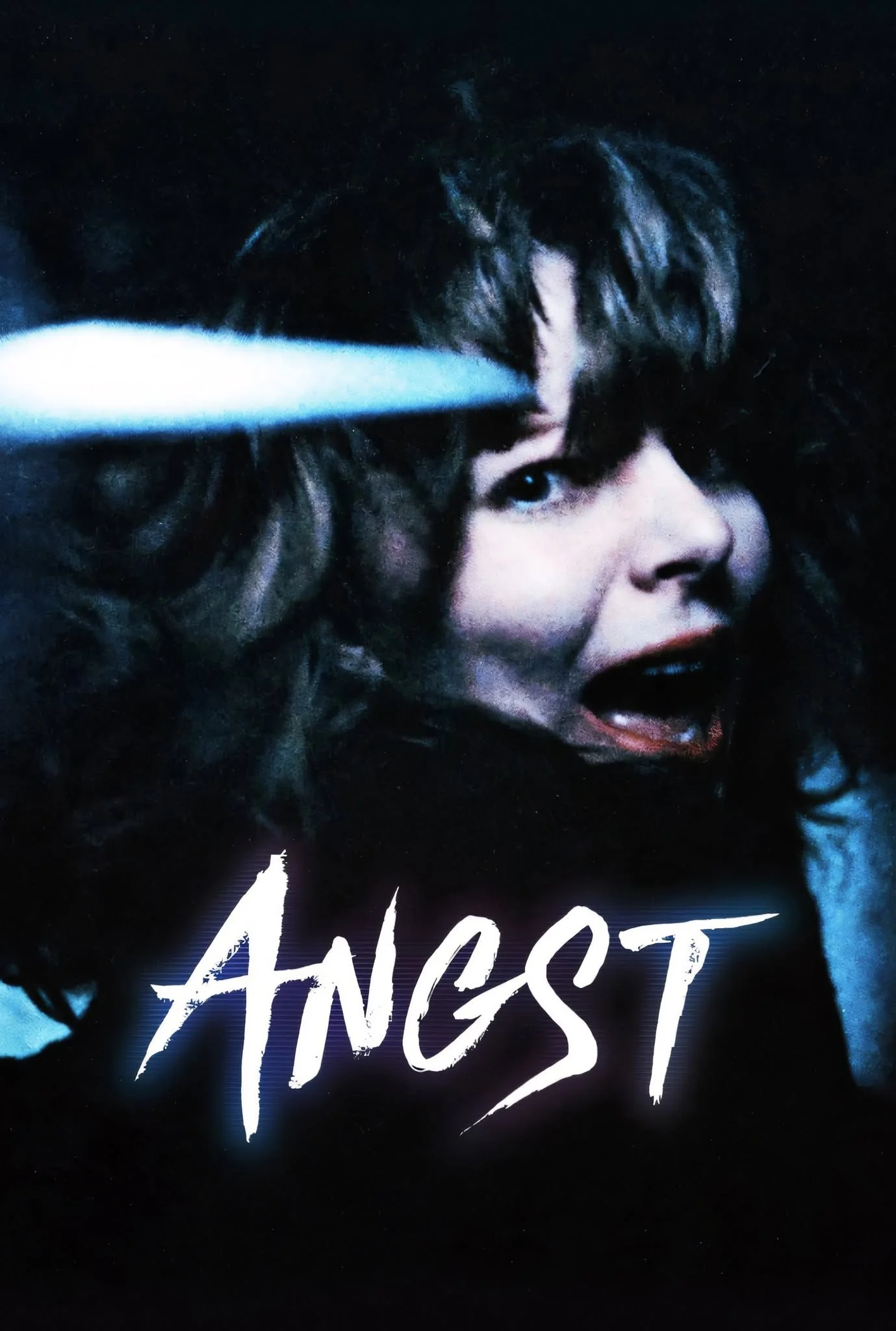
Analytická studie rakouského kultovního snímku Geralda Kargla zkoumající tělesnou kameru Zbigniewa Rybczyńského, vnitřní monolog vraha a banalitu zla.
An analytical study of Gerald Kargl's Austrian cult film exploring Zbigniew Rybczyński's body-mounted camera, the killer's inner monologue, and the banality of evil.
Tato studie dekonstruuje rakouský kultovní thriller Angst (1983, stopáž 87 minut) jako jednu z nejradikálnějších existenciálních sond do mysli chladnokrevného vraha v dějinách kinematografie. Snímek, volně inspirovaný skutečným případem Wernera Knieseka, sleduje bezejmenného psychopata od okamžiku jeho propuštění z vězení až po okamžitý, pudový masakr rodiny v izolované vile.
Metodologicky se text zaměřuje na revoluční kameru Zbigniewa Rybczyńského (aparát přivázaný přímo k tělu herce), chladný vnitřní monolog jako formu absolutní izolace a pulzující elektronickou hudbu Klause Schulzeho. Film ukazuje zlo nikoliv jako geniální mistrovský plán, ale jako chaotický, patetický a nezastavitelný biologický reflex.
I. Tělesná kamera a destrukce objektivní vzdálenosti
Nejradikálnějším prvkem filmu je jeho vizuální forma, kterou vytvořil oscarový animátor a kameraman Zbigniew Rybczyński. Namísto klasického snímání z pozice objektivního pozorovatele použil systém zrcadel a speciální postroj, kterým kameru přivázal přímo k tělu herce (Erwin Leder).
Objektiv tak neustále fixuje vrahovu tvář z nepřirozené blízkosti a pohybuje se naprosto synchronně s ním, zatímco pozadí se divoce komíhá. Divák nesleduje monstrum zvenčí; je na něj fyzicky připoután. Tato optická klaustrofobie znemožňuje jakýkoliv morální odstup. Jsme uvězněni v jeho osobním prostoru, nuceni sdílet každý jeho trhavý, maniakální pohyb.
II. Vnitřní monolog a propast mezi plánem a realitou
Celý film postrádá standardní dialogy. Zvukové stopě dominuje vrahův vnitřní monolog (voiceover), který je namluven chladným, monotónním a přísně racionálním tónem. Vrah analyzuje své pohnutky, vzpomíná na dětství a detailně plánuje dokonalý zločin.
Na plátně se však odehrává pravý opak. Samotný akt vraždy v izolované vile je chaotický, nesmírně vyčerpávající, neohrabaný a patetický. Kargl zde brutálně demystifikuje figuru hollywoodského sériového vraha (typu Hannibala Lectera nebo Johna Doea ze snímku Sedm). Zlo zde nemá žádnou grácii ani genialitu; je to jen zpocená, zoufalá a fyzicky úmorná snaha ukojit vlastní zvířecí tenzi. Rozpor mezi chladnou, přesnou kalkulací v jeho mysli a krvavým chaosem reality je podstatou existenciálního hororu.
III. Architektura lhostejnosti a zvířecí pohled
Vila, do které vrah pronikne, je ztělesněním moderní, chladné buržoazní izolace. Odrážející se zrcadla, sterilní chodby a absence jakékoliv pomoci zvenčí vytvářejí dokonalé loviště. Oběti nejsou nijak charakterizovány, nemají prostor pro psychologický vývoj – z pohledu vraha jsou to pouze překážky a nástroje k dosažení orgastického uvolnění.
Jediným „objektivním“ pozorovatelem celého masakru je domácí pes, který s naprostou lhostejností pobíhá mezi krví a těly. Zvířecí pohled podtrhuje naprostou absenci jakékoliv kosmické nebo morální spravedlnosti. Příroda masakr nesoudí; pouze se na něj dívá.
IV. Závěr: Antikatarze a banalita konce
Film končí stejně náhle a absurdně, jako začal. Neexistuje zde žádné vyšetřování, žádný mistrovský střet detektiva a padoucha. Vrah ráno naloží těla do kufru auta, vyzvedne psa a odjede do bistra, kde svou bizarností a špatně zaparkovaným autem (krev kape z kufru) na sebe okamžitě upozorní.
Zatčen je v podstatě omylem, kvůli vlastní praktické hlouposti a vyčerpání. Sedí v policejním voze, lhostejný ke svému dopadení, zatímco jeho vnitřní hlas oznamuje, že při první příležitosti to udělá znovu. Angst nedopřává divákovi pocit bezpečí, protože ukazuje, že tento druh destrukce nelze léčit, nelze mu předcházet a nemá žádný hlubší smysl. Je to jen slepá evoluční chyba, která se bude navždy opakovat.
Slovníček pojmů a bibliografie
- Tělesná kamera (Body-cam postroj): Unikátní systém upevnění kamery přímo na tělo herce, který stírá objektivní odstup a vtahuje diváka do vrahova fyzického prostoru.
- Banalita zla: Zobrazení vraždy ne jako geniálního či estetického činu, ale jako namáhavého, chaotického a patetického zvířecího reflexu.
- Lhostejný zvířecí pohled: Absence morálního nebo božského soudu nad masakrem, symbolizovaná přítomností psa volně se pohybujícího mezi oběťmi.
- Antikatarze: Odepření pocitu úlevy, spravedlnosti či logického vysvětlení v závěru filmu; zůstává jen vědomí nevypočitatelné hrozby.
Bibliografie (Chicago Style):
- Kargl, Gerald. Angst (Audio Commentary). Directed by Gerald Kargl. Los Angeles: Cult Epics, 2015. Blu-ray.
- Navarro, Meagan. „The Exhausting, Visceral Realism of Gerald Kargl’s ‘Angst’.“ Bloody Disgusting, 2018.
- Schulze, Klaus. Angst (Original Motion Picture Soundtrack). Brain Records, 1984.
- Wigley, Samuel. „Why Angst is the most terrifying serial killer film ever made.“ BFI, 2017.
This study deconstructs the Austrian cult thriller Angst (1983, running time 87 minutes) as one of the most radical existential probes into the mind of a cold-blooded killer in the history of cinema. Loosely based on the true case of Werner Kniesek, the film follows a nameless psychopath from the moment of his release from prison to a sudden, impulsive massacre of a family in an isolated villa.
Methodologically, the text focuses on Zbigniew Rybczyński’s revolutionary camerawork (the apparatus strapped directly to the actor’s body), the cold inner monologue as a form of absolute isolation, and Klaus Schulze’s pulsating electronic score. The film portrays evil not as a brilliant master plan, but as a chaotic, pathetic, and unstoppable biological reflex.
I. The Bodily Camera and the Destruction of Objective Distance
The most radical element of the film is its visual form, created by Oscar-winning animator and cinematographer Zbigniew Rybczyński. Instead of shooting from the position of an objective observer, he used a system of mirrors and a special harness to strap the camera directly to the actor’s body (Erwin Leder).
The lens thus constantly fixates on the killer’s face from an unnatural proximity, moving in perfect synchronization with him, while the background sways wildly. The viewer does not watch the monster from the outside; they are physically tethered to him. This optical claustrophobia precludes any moral distance. We are trapped in his personal space, forced to share his every jerky, manic movement.
II. Inner Monologue and the Abyss Between Plan and Reality
The entire film lacks standard dialogue. The soundtrack is dominated by the killer’s inner monologue (voiceover), delivered in a cold, monotonous, and strictly rational tone. The killer analyzes his motives, recalls his childhood, and plans the perfect crime in detail.
On screen, however, the exact opposite unfolds. The act of murder itself in the isolated villa is chaotic, immensely exhausting, clumsy, and pathetic. Kargl brutally demystifies here the figure of the Hollywood serial killer (like Hannibal Lecter or John Doe from Se7en). Evil here has no grace or genius; it is merely a sweaty, desperate, and physically grueling attempt to satiate an animalistic tension. The contradiction between the cold, precise calculation in his mind and the bloody chaos of reality is the essence of this existential horror.
III. The Architecture of Indifference and the Animal Gaze
The villa the killer infiltrates is the embodiment of modern, cold bourgeois isolation. Reflective mirrors, sterile corridors, and the absence of any outside help create a perfect hunting ground. The victims are not characterized; they have no room for psychological development—from the killer’s perspective, they are merely obstacles and tools to achieve an orgasmic release.
The only “objective” observer of the entire massacre is the family dog, which runs among the blood and bodies with complete indifference. The animal gaze underscores the absolute absence of any cosmic or moral justice. Nature does not judge the massacre; it merely watches it.
IV. Conclusion: Anti-Catharsis and the Banality of the End
The film ends just as abruptly and absurdly as it began. There is no investigation, no masterful clash between detective and villain. In the morning, the killer loads the bodies into the trunk of a car, picks up the dog, and drives to a diner, where his bizarre behavior and poorly parked car (with blood dripping from the trunk) immediately draw attention.
He is arrested essentially by accident, due to his own practical stupidity and exhaustion. He sits in the police car, indifferent to his capture, while his inner voice announces that given the first opportunity, he will do it again. Angst affords the viewer no sense of safety, demonstrating that this kind of destruction cannot be cured, cannot be prevented, and holds no deeper meaning. It is merely a blind evolutionary flaw that will repeat itself forever.
Glossary and Bibliography
- Bodily Camera (Body-mounted Rig): A unique camera rig attached directly to the actor’s body that destroys objective distance and traps the audience within the killer’s physical space.
- Banality of Evil: The depiction of murder not as a genius or aesthetic act, but as a grueling, chaotic, and pathetic biological reflex.
- Indifferent Animal Gaze: The absolute absence of moral or cosmic judgment over the massacre, symbolized by the family dog wandering among the victims.
- Anti-Catharsis: The denial of relief, justice, or logical closure at the end of the film, leaving only the reality of an unpreventable threat.
Bibliography (Chicago Style):
- Kargl, Gerald. Angst (Audio Commentary). Directed by Gerald Kargl. Los Angeles: Cult Epics, 2015. Blu-ray.
- Navarro, Meagan. “The Exhausting, Visceral Realism of Gerald Kargl’s ‘Angst’.” Bloody Disgusting, 2018.
- Schulze, Klaus. Angst (Original Motion Picture Soundtrack). Brain Records, 1984.
- Wigley, Samuel. “Why Angst is the most terrifying serial killer film ever made.” BFI, 2017.